

Kutch: Indian Silver
During the eighteenth century, the esteemed silversmith Ramsinhji Malam and Maharao Shri Lakhpatji played key roles in advancing silversmithing and other artistic pursuits in Kutch.
Maharao Shri Lakhpatji, an extravagant ruler of Kutch, was a notable patron of the arts. He discovered gifted artists and encouraged them to develop their talents. His passion for art, along with his proficiency in multiple musical instruments, dancing, and painting, inspired innovation in design and patterns. Through his support, Bhuj flourished as a lively centre of culture, art, and social life.
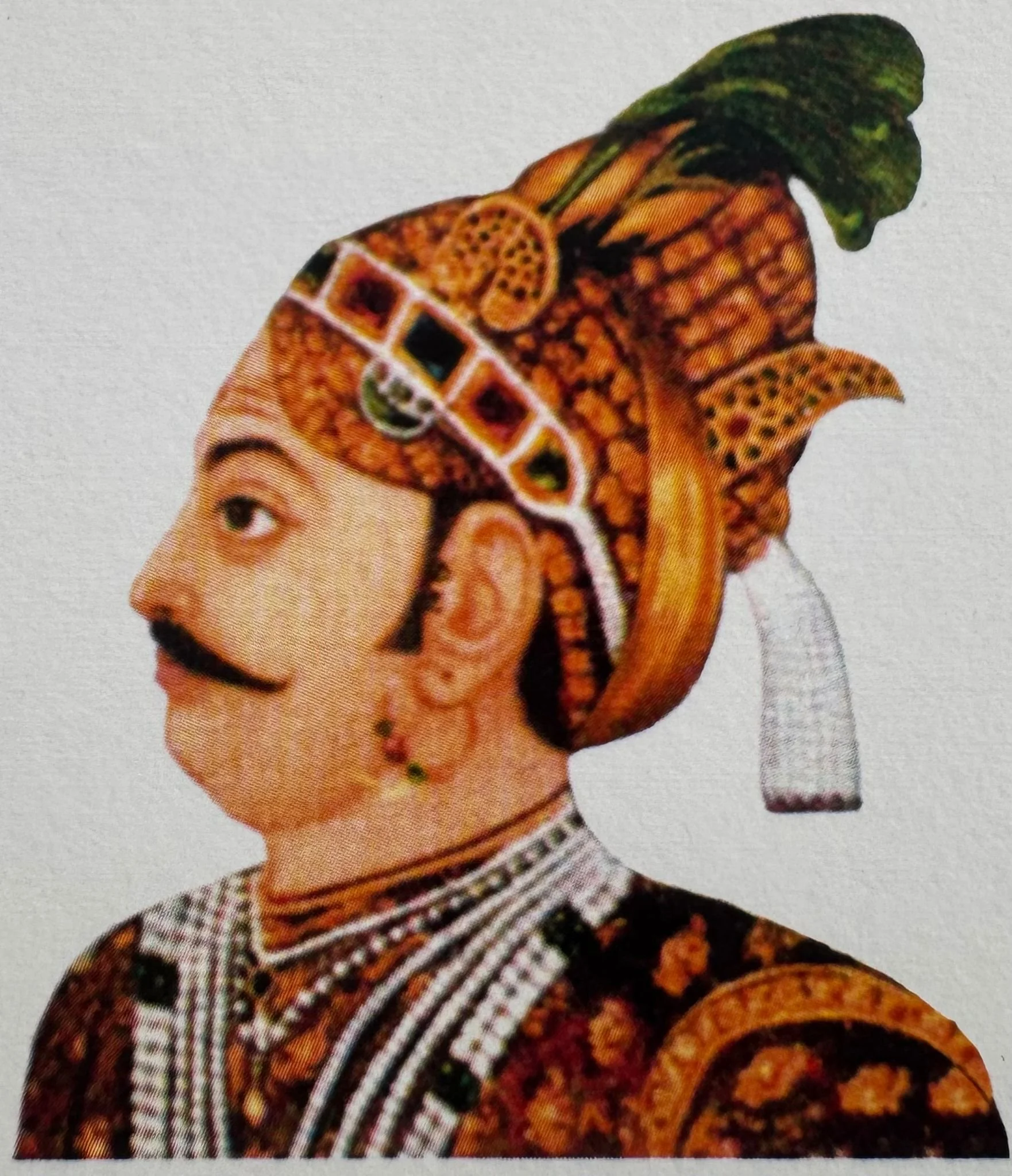
Maharao Shri Lakhpatji
Ramsinhji Malam, a celebrated artisan during Maharao Shri Lakhpatji’s reign, belonged to the Kharwa community of Dwarka and embarked on a remarkable journey that left a lasting mark on Kutch’s artistic landscape. After surviving a shipwreck, he was rescued by a Dutch vessel and taken to the Netherlands, where he acquired various craft skills. On returning to Kutch, he shared these techniques with local artisans. Appreciating his talent and dedication, Maharao Shri Lakhpatji commissioned Ramsinhji Malam to construct the Aina Mahal in 1750 CE.
Motivated by the international exposure to new crafts, Maharao Shri Lakhpatji sent local artists abroad, primarily to Europe, to study and gain insight into their art and craft. Ramsinhji Malam, along with two hundred other artists, travelled and spent significant periods in Italy, Belgium, the Netherlands, France, Switzerland, and Austria.
Kutch was the first state to send its artisans overseas for such training. Maharao Shri Lakhpatji also founded the Hunnarshala, a school that offered artists a stable income, revived fading art forms, and enabled Kutch’s silversmiths to achieve remarkable growth. He nurtured and guided the artists, helping them refine their skills. During his reign, Kutch gained fame for its art and craft, cultivating a vibrant community of artisans and connoisseurs.
DESIGNS & MOTIFS
Early silversmithing designs in Kutch were primarily shaped by Hindu and traditional motifs. The region’s openness attracted people from Rajasthan as well as from Persia, Arabia, Balochistan, Pathan, and Turkey, who brought their art and culture. Kutch silversmiths drew particular inspiration from Islamic and Mughal art, especially architectural designs. Karachi, being the closest port to Kutch, played a key role in this cultural exchange.
Artisans frequently visited Ahmedabad, where they admired the intricate carvings and designs in palaces and mosques. A notable distinction between the original sources and the Kutch-inspired works lay in the treatment of foliage. Whereas the foliage in Sidi Sayyad’s Jali centres around a main tree trunk, Kutch silversmithing omitted the central stalk. Instead, it employed a composite flower repeated at intervals, forming an endless pattern. Beads and acanthus leaf motifs were also commonly used along the rims and bases of their pieces
THE PROCESS BEHIND THE ART OF KUTCHI SILVERSMITHING
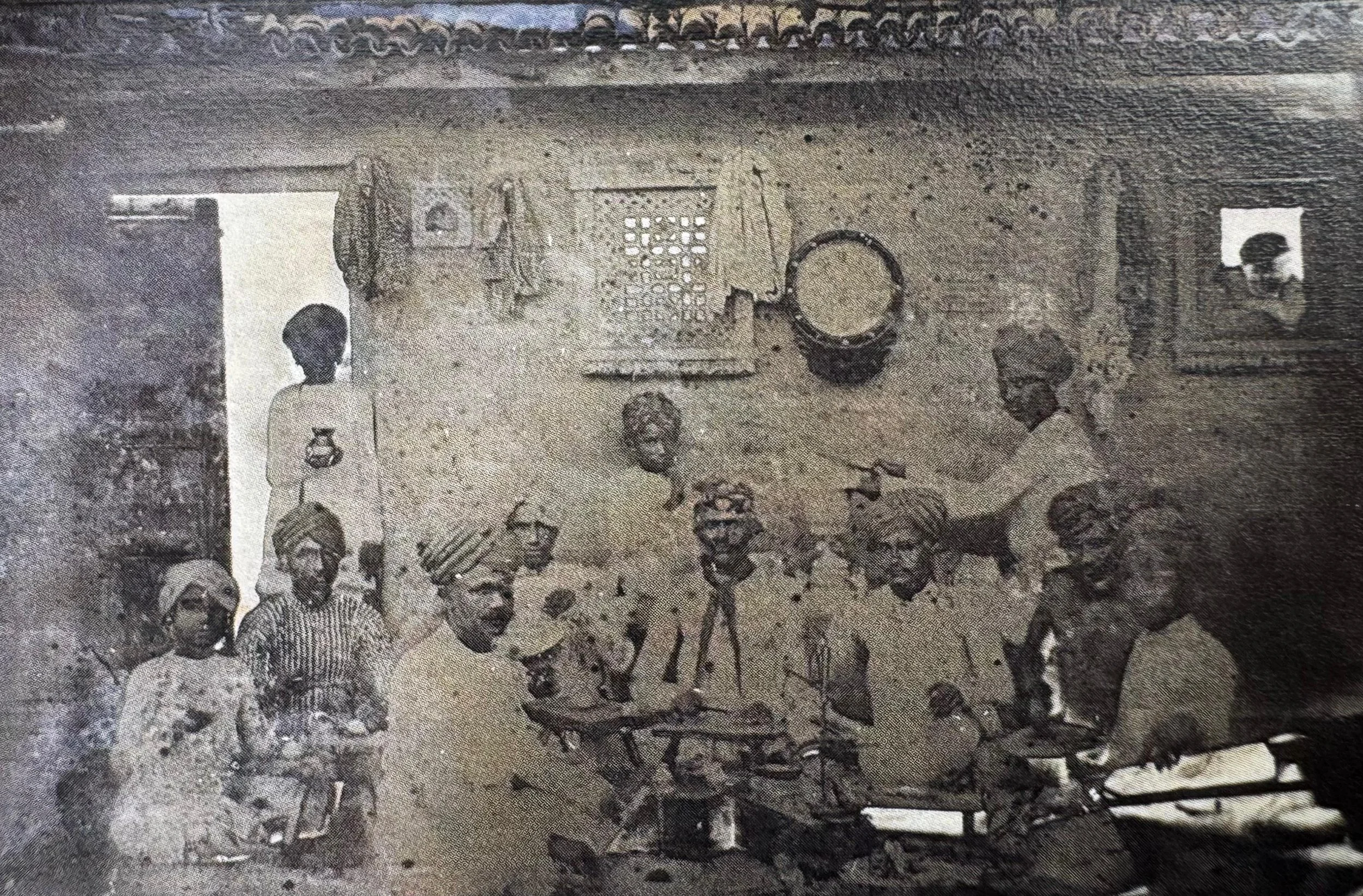
A group of artisans of silverwork in workshop, late 19th Century
Kutch work, a traditional silversmithing craft from the Kutch region, flourished in Bhuj City, which housed around 30–40 workshops and 150–200 skilled artisans devoted to this art. Kansara Pole in Bhuj City became famous as a centre where silversmiths specialised in Kutch work. This craft was practised across various communities, including Sonis, Lohars, Lohanas, and Muslims, each bringing their distinct expertise.
Mastery of Kutch work generally required five years of training, followed by ten years of practical experience to attain true expertise. Historically, artisans were commissioned by the rulers of princely states, nobility, and the British to create silver and enamelled jewellery and objects. Kutch silversmithing mainly encompasses three artistic genres: Repoussé, Piercing, and Casting. Craftsmen employed techniques such as round carving, etching, and encrustation to produce exceptional creations. The following steps illustrate the intricate process involved in making high-quality pieces that continue to be celebrated worldwide.
DRAWINGS
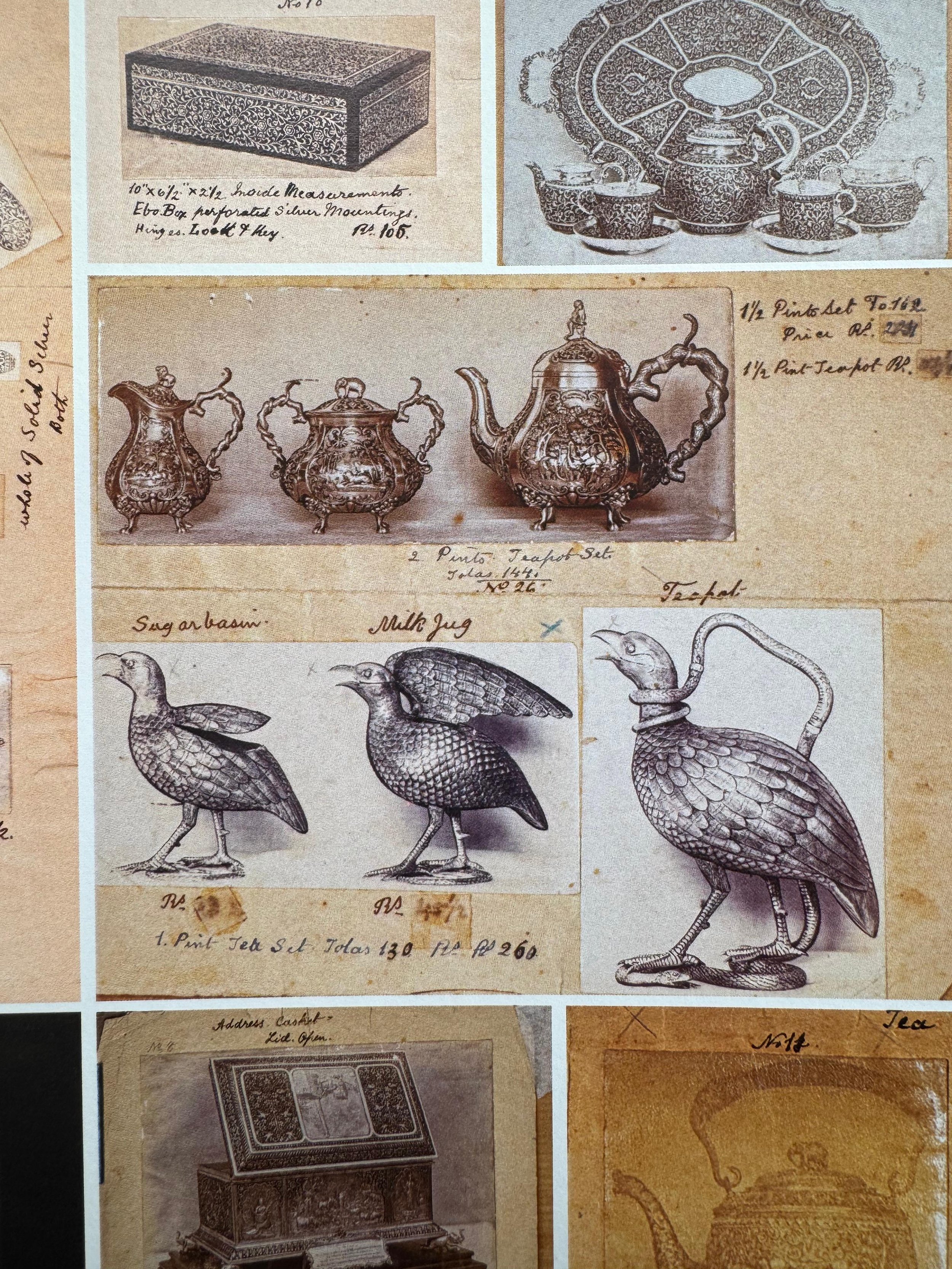
Silversmiths traditionally prepared designs by sketching them on paper, which customers then used to place orders. These artisans also produced product catalogues illustrating the items available.
Interviews with the descendants of notable artists reveal that drawings were an essential part of their work. Oomersi Maji, Mawji Raghavji, and Velji Bhimji were renowned for creating detailed drawings that guided the pre-production process and ensured the highest quality of finished pieces. They used Howard & Jones paper from London and watermarked sheets from Dorling & Co., London. Their drawings incorporated motifs, processed illustrations, and font dictionaries for English alphabets.
Each drawing included annotations and suggestions in English or Gujarati, noting the weight of individual items and the making charges per tola of silver. These drawings also recorded customers’ or chief artists’ instructions for further production. Large-scale drawings were made by pasting sheets together lengthwise to display actual proportions. Serving both instructional and marketing purposes, these drawings, pattern books, and catalogues were integral to Indian craftsmanship. Drawings by each artist carried authorised seals and stamps. The finest works by these prominent artists are now largely held in European museums and private collections.
REPOUSSÉ
Kutch silver was highly prized for its purity, typically ranging from 95% to 98%, surpassing Britain’s sterling standard of 92.5%. This high level of purity rendered the silver very soft, making it ideal for intricate designs. Small amounts of copper and zinc were sometimes added to provide extra strength.
Kutch silversmiths had a distinctive technique of punching the metal surface inwards while seated in a posture that allowed them to hold the article between their knees, one leg folded. They squatted on the floor before a small, low worktable to prevent stress and inflammation during long hours of work. They preferred dimly lit rooms, believing that low light enhanced precision and alertness, particularly for detailed work.
In Bhuj, most silversmiths worked from home due to the high value of silver and the risk of theft. They typically purchased ten to twenty kilograms of silver slabs from merchants, often from the Vania, Bhatia, and Khoja communities, who sourced it from Bombay or Zanzibar in Africa.
Once the silver slabs were acquired, they were melted, impurities removed, and converted into thin sheets of varying thicknesses according to the design requirements. Silversmiths used tools such as the kharwal and anvils of different sizes to shape the articles. The anvil was filled with a mixture of coal tar, sand, ash, and castor oil, preheated to form a slug that absorbed the shock of hammering and supported the metal.
To transfer the design from paper onto the silver, silversmiths traced it onto the surface and used a small, long, thin punch with a hammer to drive the metal inwards. Tools such as Nakhla, Chorsi, Siddha, Sumbho, Naro, Takdo, and Mindiyo were employed for repoussé work.
After completing the design, the article was heated to a red-hot temperature and immediately cooled in cold water to retain malleability. The object was then filled with resin again, and the design work repeated. This cycle was performed three times to achieve the finest results.
The final stage involved washing the article with alum and rubbing it with a powder called Sangbari-reti, or Zanzibar sand, sometimes sourced from Mandvi Beach, which cleaned the surface without scratching. The article was then rinsed with clean water and dipped in soapberry water for a final cleansing and shine. Bright areas were burnished using round-tipped slender rods called Oopani and steel beads known as Chidi. Today, sulfuric acid is used to remove any residual impurities.
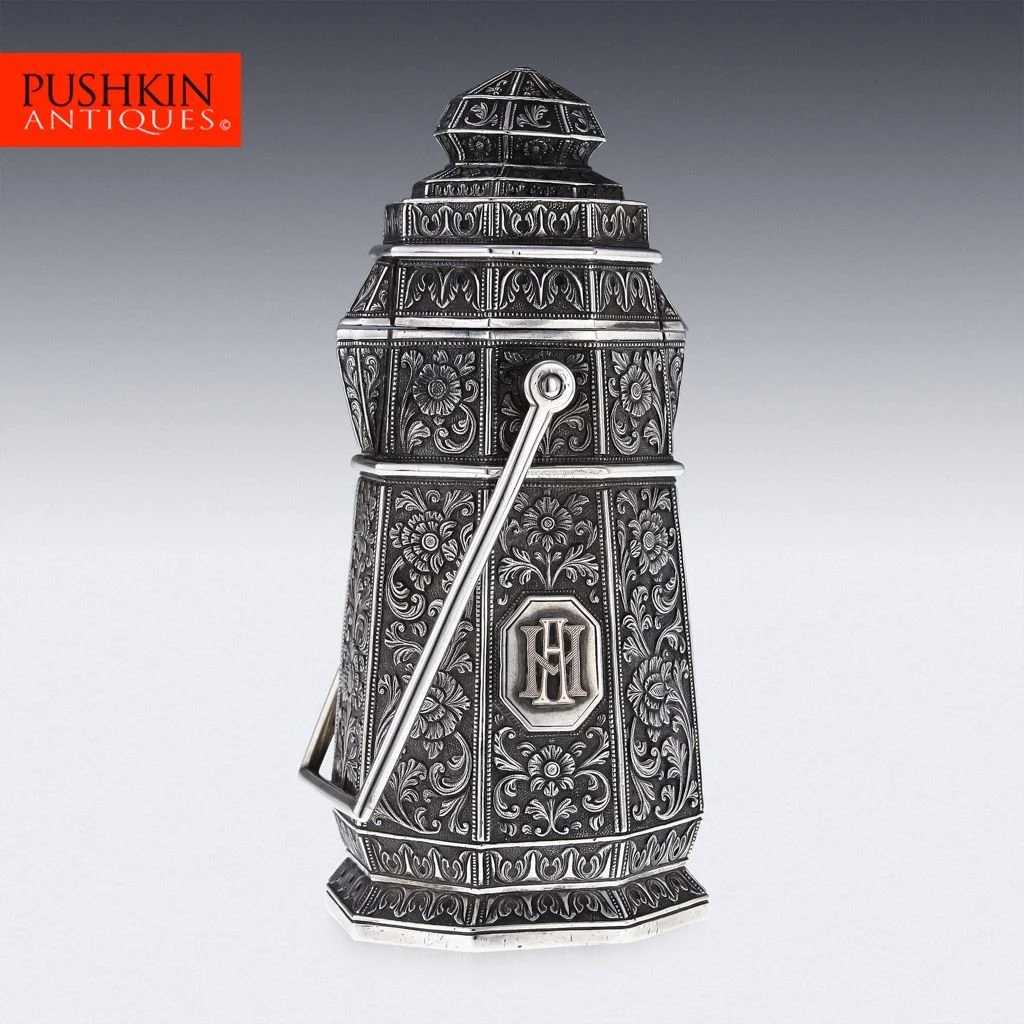
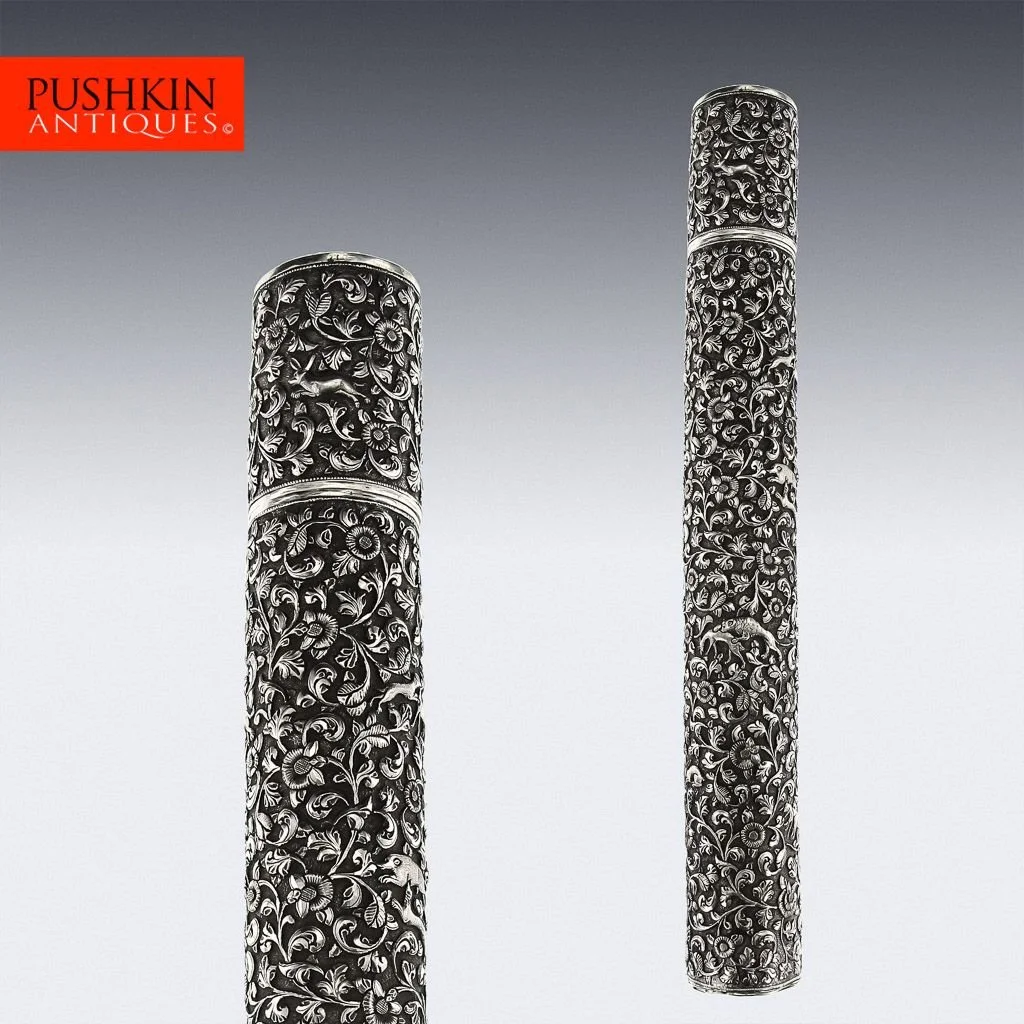
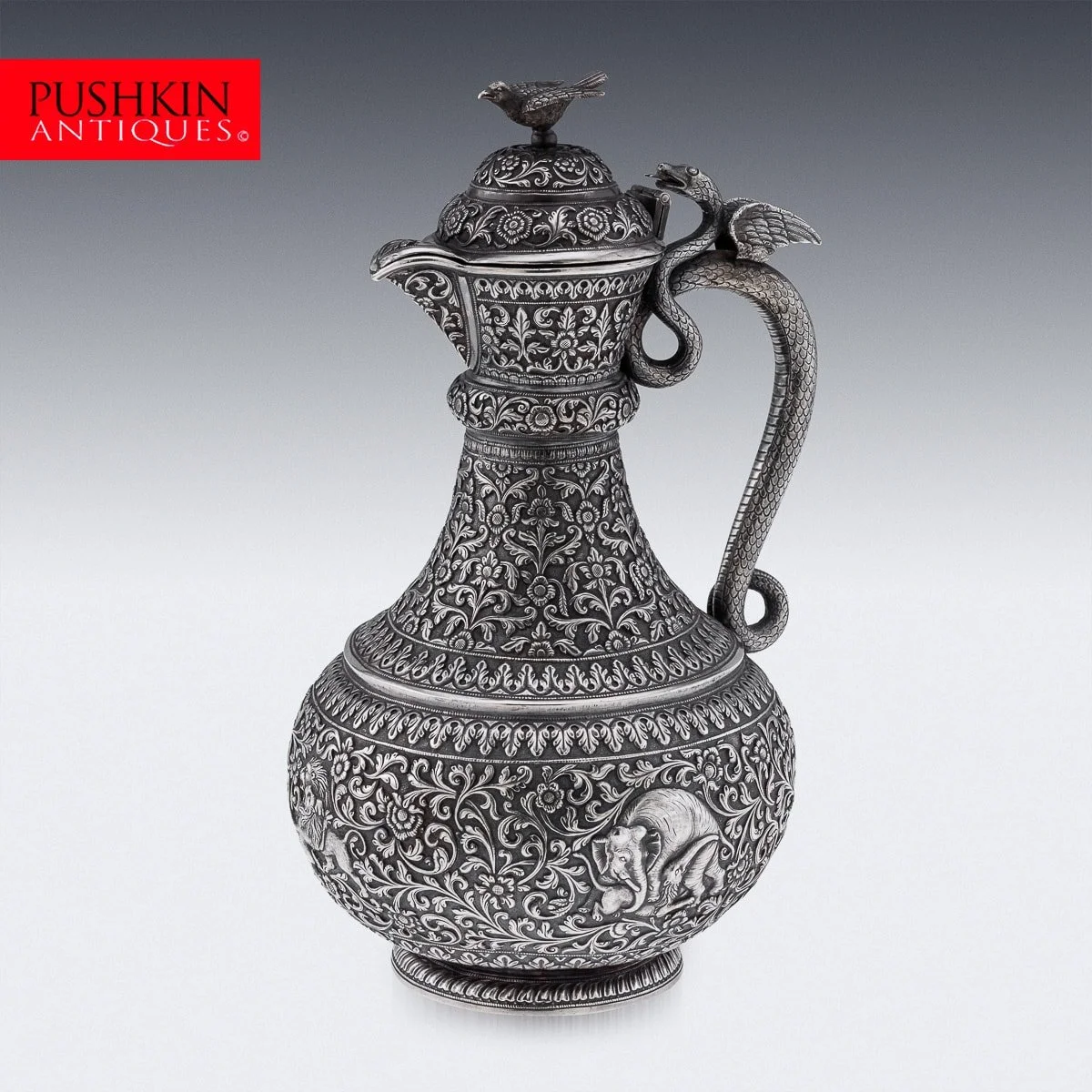
Kutch silversmiths combined hammering, bending, forging, repoussé, casting, piercing, engraving, and gold plating to create articles according to design and order specifications. Their successful designs often featured intricate scrolling foliage, animals, hunting scenes, or birds, inspiring silversmiths across India, the United States, and Europe to replicate them.



PIERCING
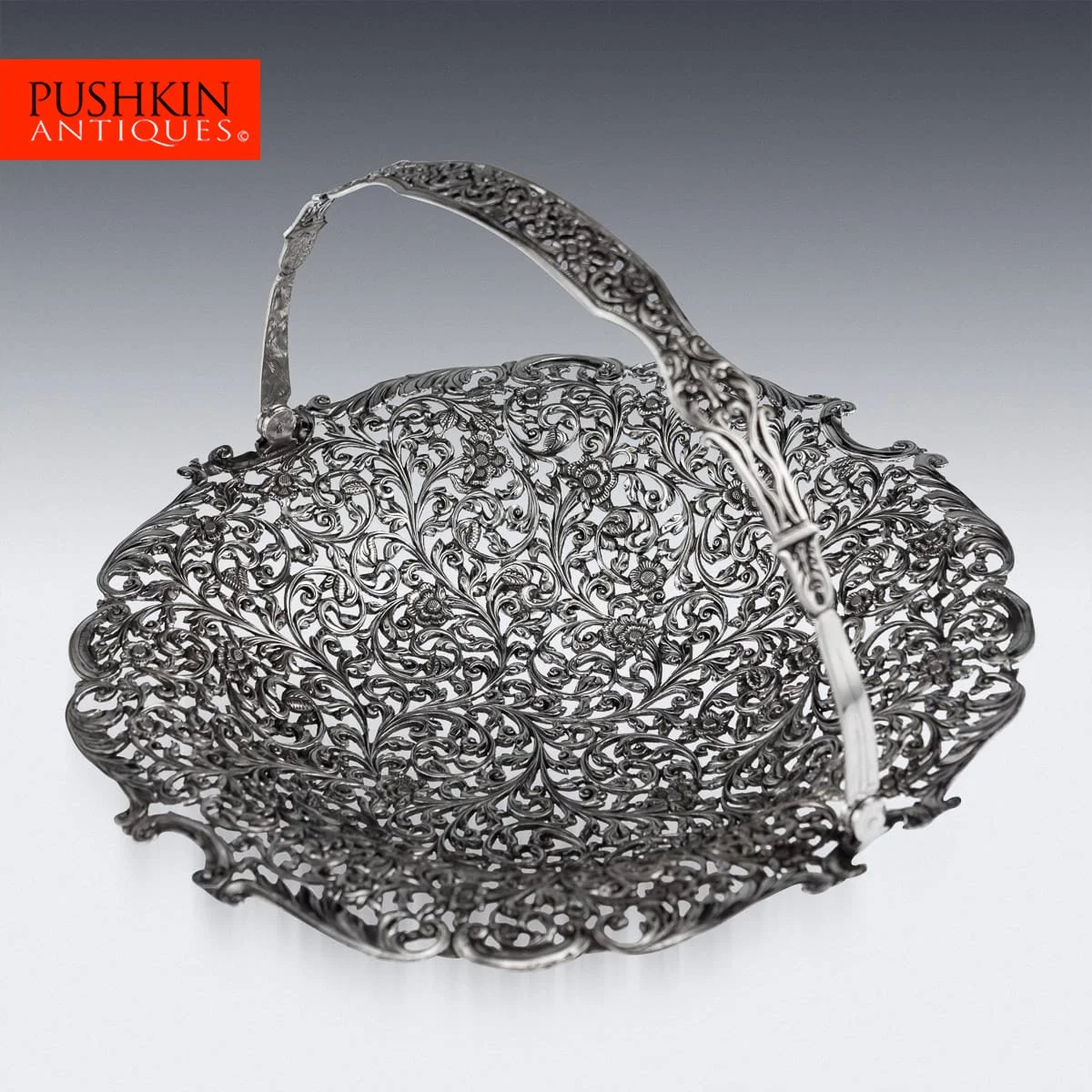
Kutch silversmiths demonstrated remarkable expertise in piercing silver, even in the most intricate sections of their designs. This delicate work was carried out externally by a master artisan, similar to the initial design process. For piercing, comparatively thinner silver sheets were used to allow precise perforation of the metal. The silversmith would either fill the piece with a kil or place it on a bed of kil if it was flat, then employ a sharp chisel to pierce the background.
CASTING
Casting in Kutch silversmithing employed the lost wax process, a metal casting technique in which molten metal is poured into a mould created from a wax model. Once the mould was prepared, the wax model was melted and removed. A heat-resistant core was then inserted to form a hollow centre, ensuring that the molten metal did not fill the entire mould.
HALLMARKING
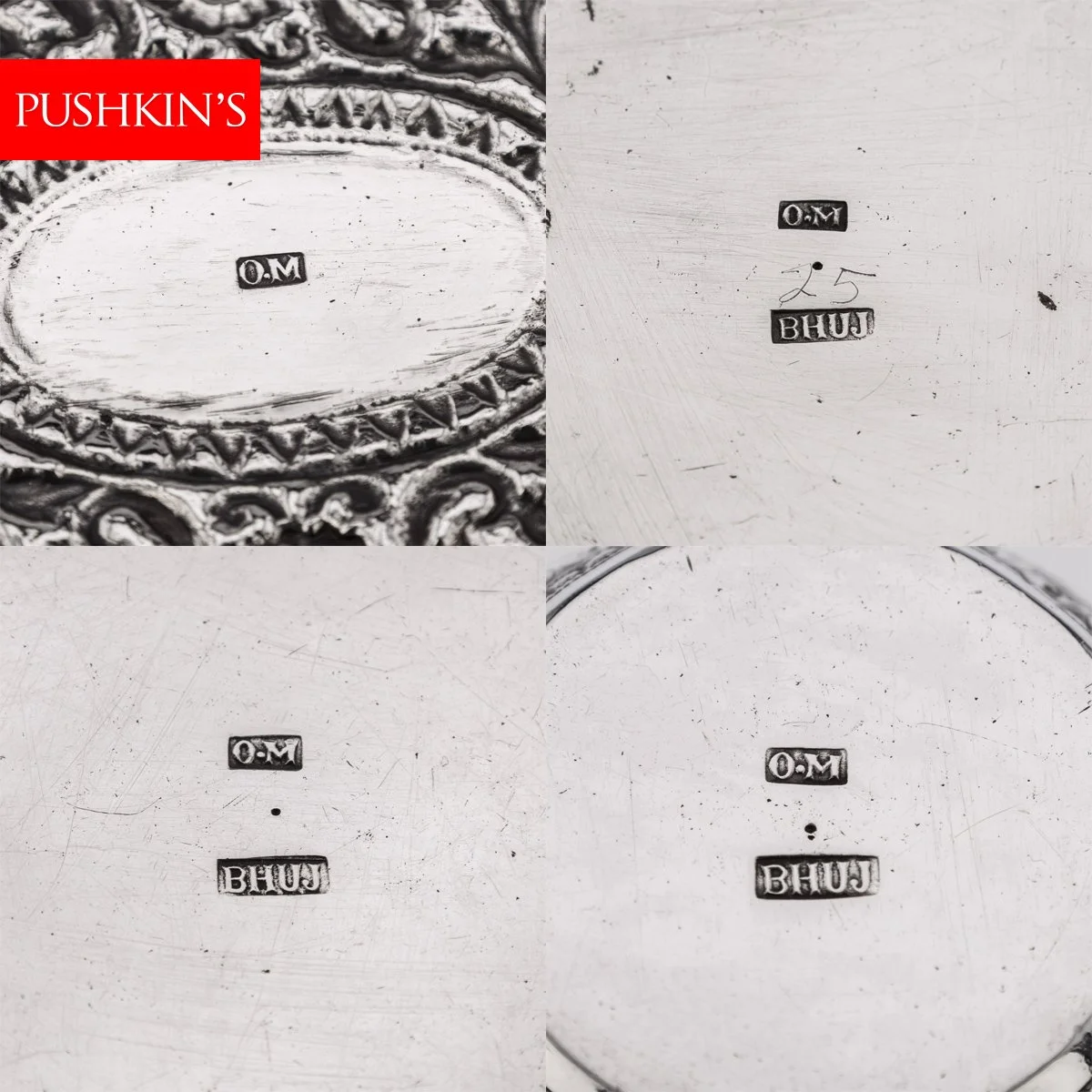
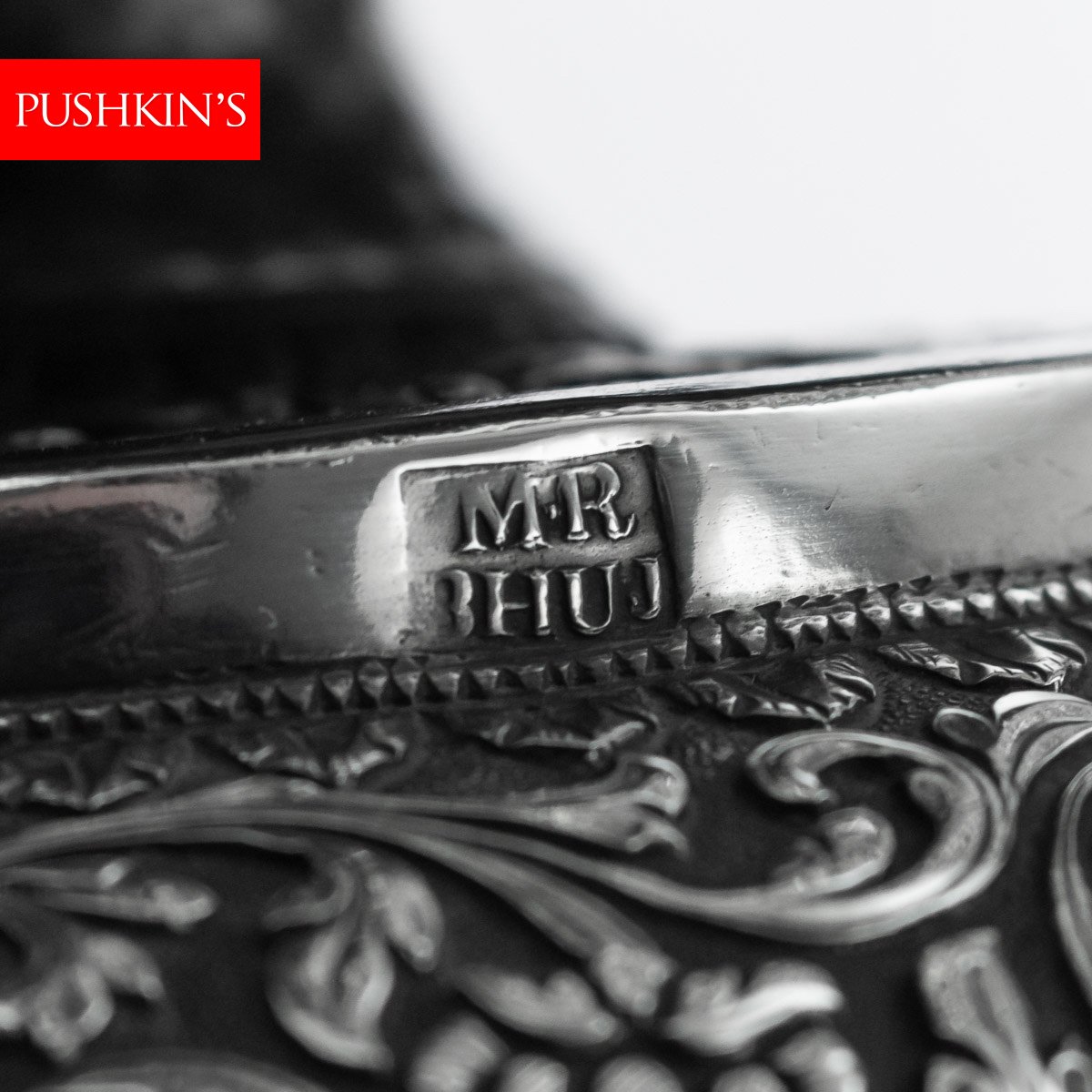
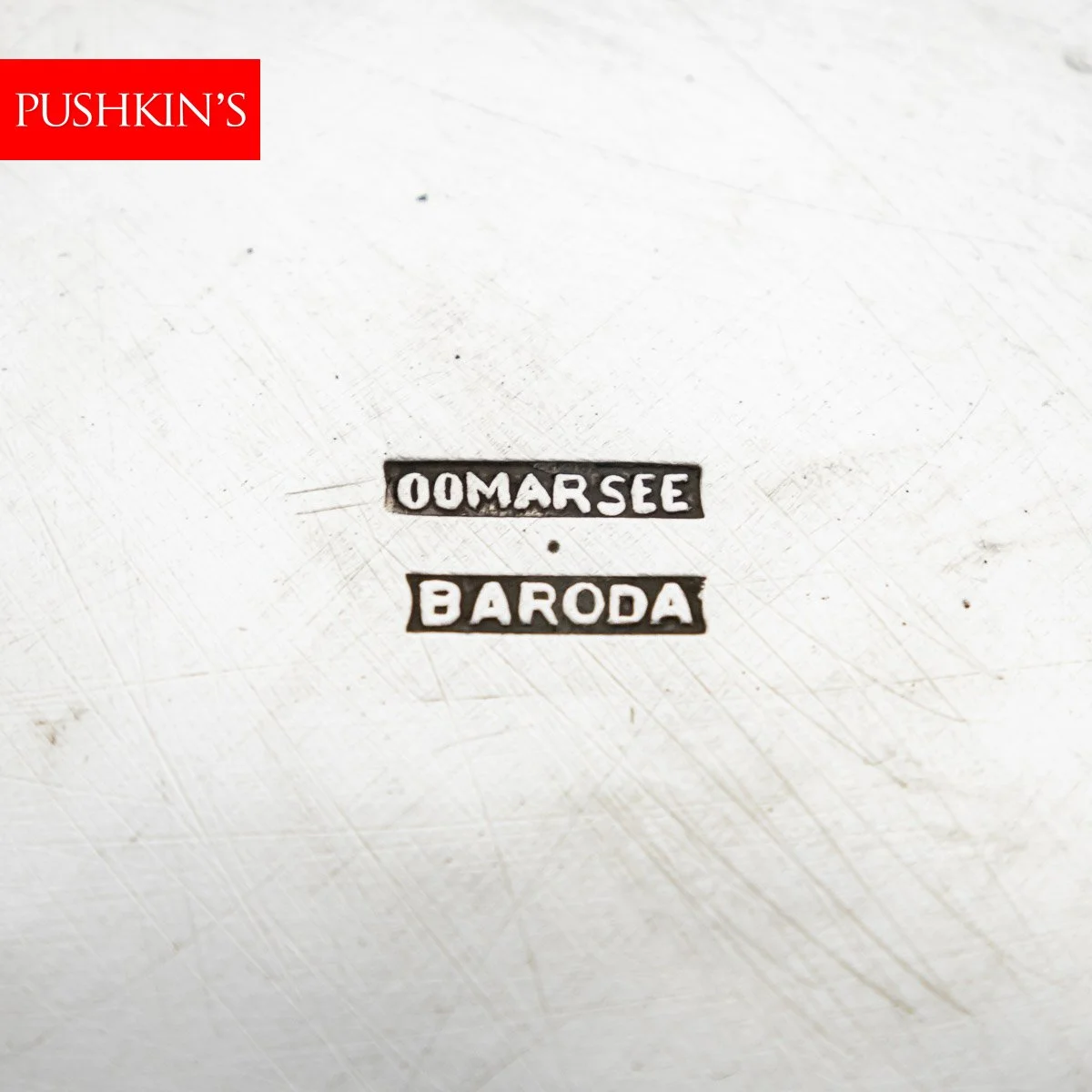
During the British Raj period, silversmiths needed to ensure the quality of their products to meet European market standards. Retailers and customers worldwide rejected articles that lacked proper stamping. To establish brand value and earn client trust, silversmiths began stamping their products with unique identifiers, including their initials, father's name, and place of origin?. For example, the initials
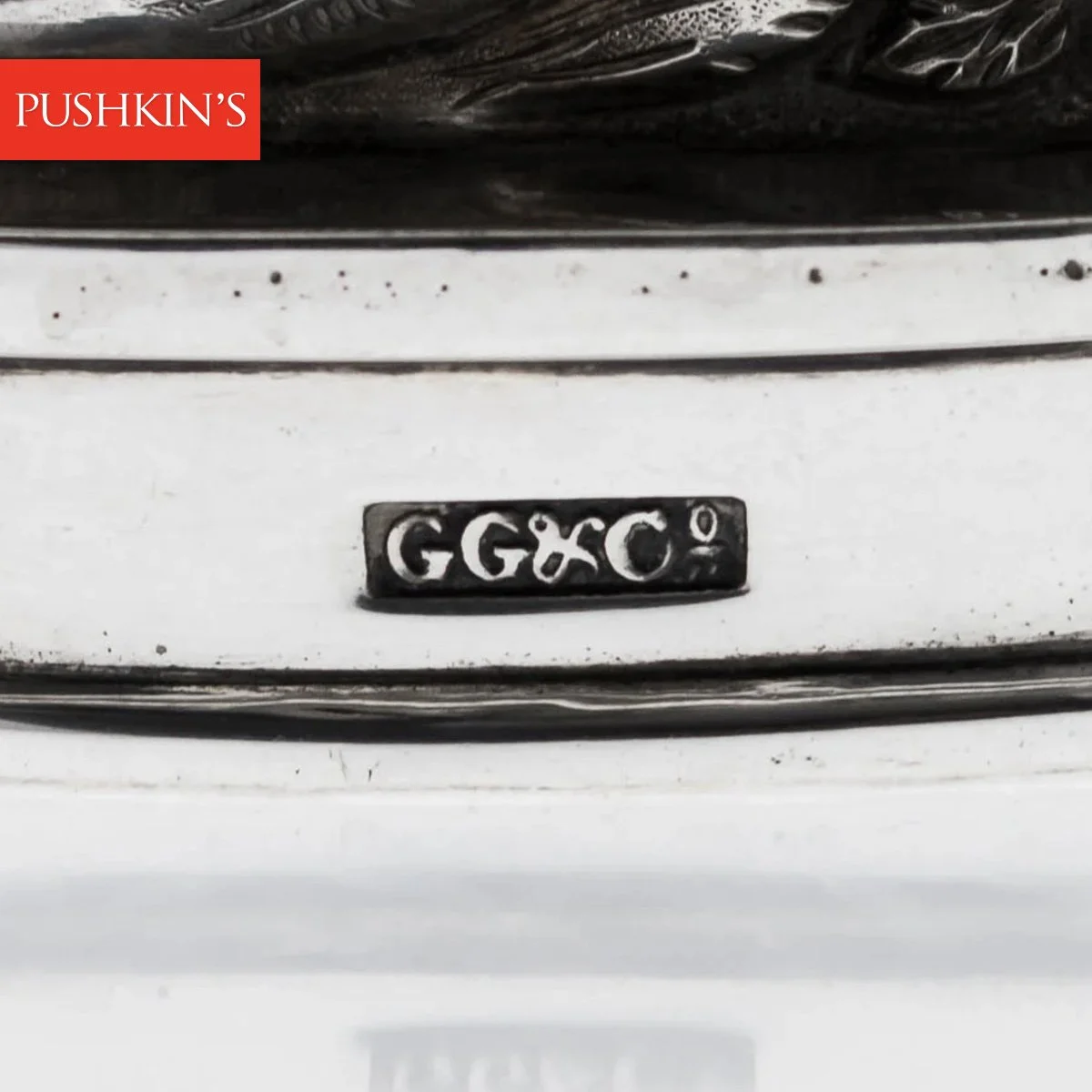
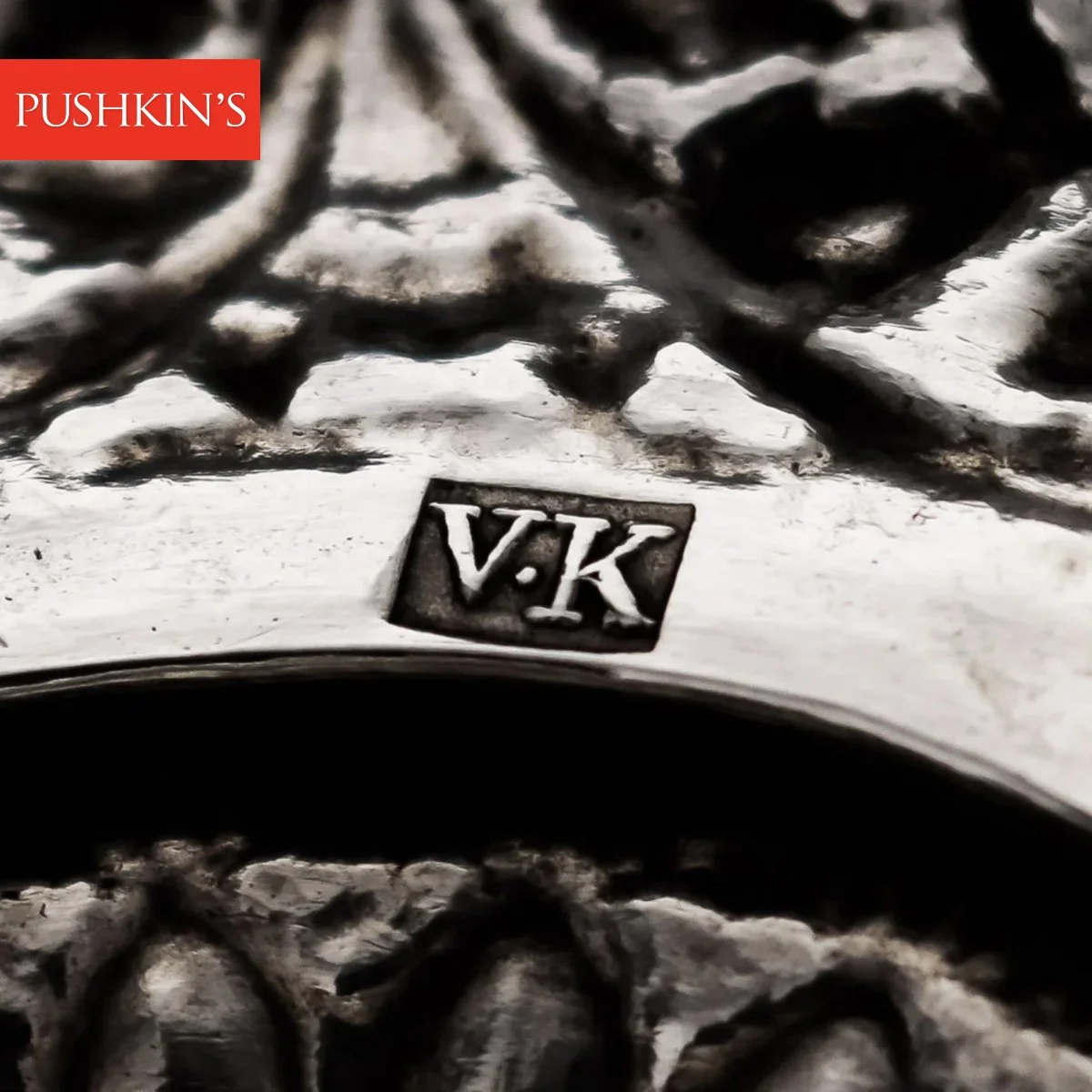
O.M BHUJ stood for (O)omersee (M)awji from BHUJ. These identifiers became well-known among royal families and British officers, enabling silversmiths to gain a foothold in the international market. Even though stamps featured the craftsman's initials, they did not feature where it was made or its purity and were thus less precise than hallmarks of European origin. Notable silversmiths from Bhuj who used such identifiers include O.M, M.R, S.M, D.H, and V.K.
OOMERSEE MAWJI (1838-1910 CE): A VISIONARY AND MASTER CRAFTSMAN
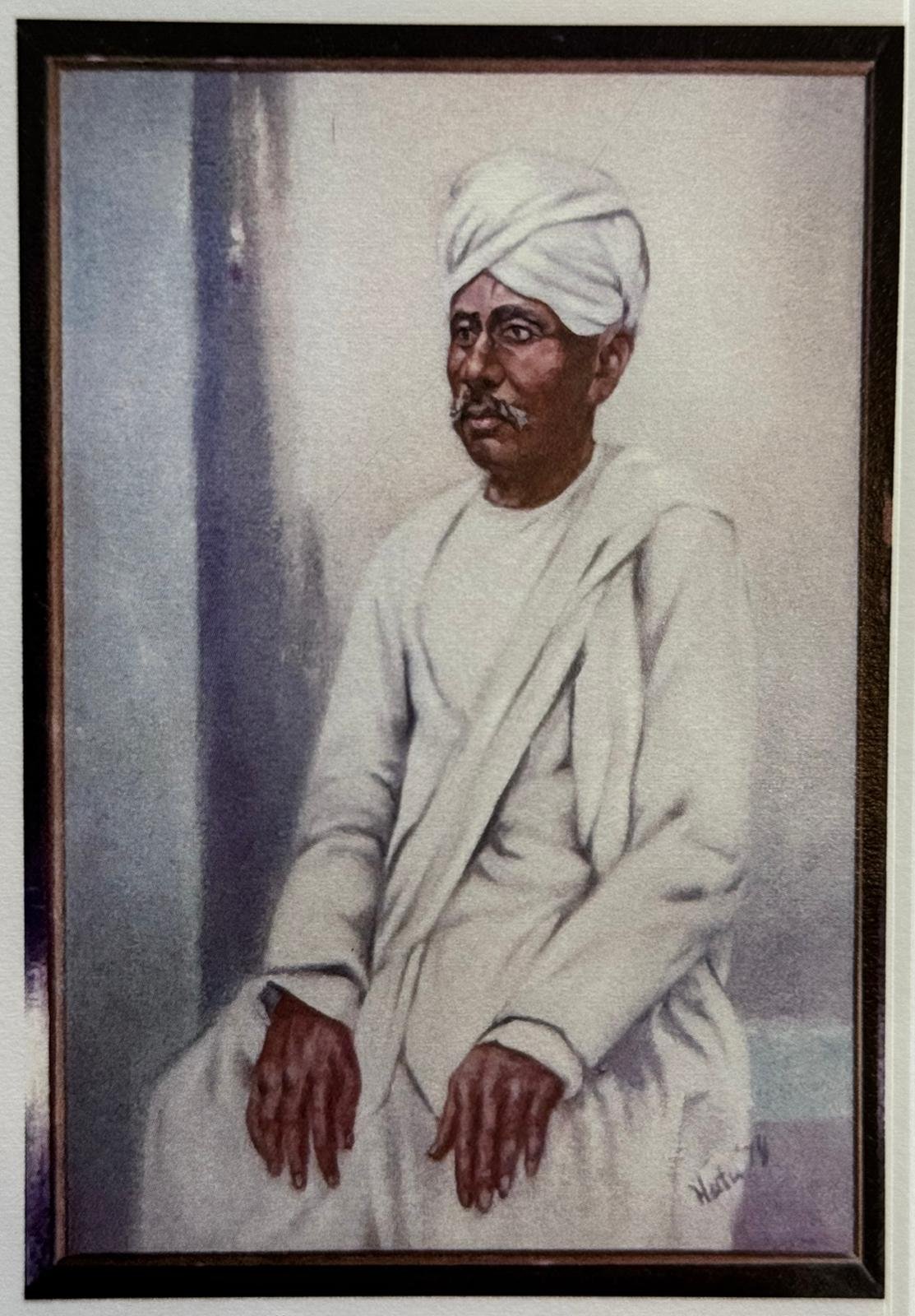
In 1891 CE, Kutch was home to 60 families of silversmiths, known as salatos. These artisans were divided into three groups: independent craftsmen, those employed by others, and members of cooperative groups. Among these talented artisans, Oomersee Maji stood out as one of the most successful and outstanding silversmiths of the second half of the nineteenth century CE, renowned for his exceptional decorative and manufacturing skills, so much that today, his name has become synonymous with Kutch silversmithing, and is the most celebrated craftsman of his time.
Oornersee Mawji Jaradi, fondly known as Kakubhai, hailed from a lineage with an intriguing history.
His ancestors were originally Chauhan Rajputs from Kannoj, Uttar Pradesh. Various stories surround the origin of the surname Jaradi. They initially manufactured armour plates and shields for soldiers (K. Jaradi, Personal Communication, April 10, 2024). Facing conflict with Muslim invaders and regional instability, a group of Maji's ancestors migrated from Kannoj and settled in Bhuj, seeking a better and more peaceful life, Initially, the local social structure did not welcome them, but the Mochi community took them in, providing them a sense of belonging and support (J. Jaradi, Personal Communication, April 16, 2024).
Oomersee Mawji established himself in Bhuj as a pioneering silversmith, creating silver articles that showcased his exceptional craftsmanship. His ingenious designs, featuring elephants, hunting scenes, flowers, and animals, set new standards of quality and infused the art of silversmithing with a sense of freshness and vigour. The secret behind Oomersee Maji's success lay in his endurance and meticulous attention to detail. He patiently and meticulously exercised every possible technique in creating his articles, ensuring that each piece was a testament to his skill and dedication. His genius extended to his adaptability, as he seamlessly amalgamated Indian art like Madras Swamy with European and Chinese influences. This adaptability allowed him to expand his product range from traditional items to customised pieces.
Oomersee Mawji's repertoire included a wide variety of items such as jugs, trays, small tea sets, biscuit boxes, spice pots, salvers, beakers, goblets, tankards, bowls, jars, caskets, rosewater and perfume sprinklers, wine glasses, paandaan and calling cards. Through his exceptional craftsmanship and innovative designs, Oomersee Mawji left an indelible mark on the art of silversmithing in Kutch, earning a lasting legacy as a master craftsman.
AWARDS & ACCOLADES
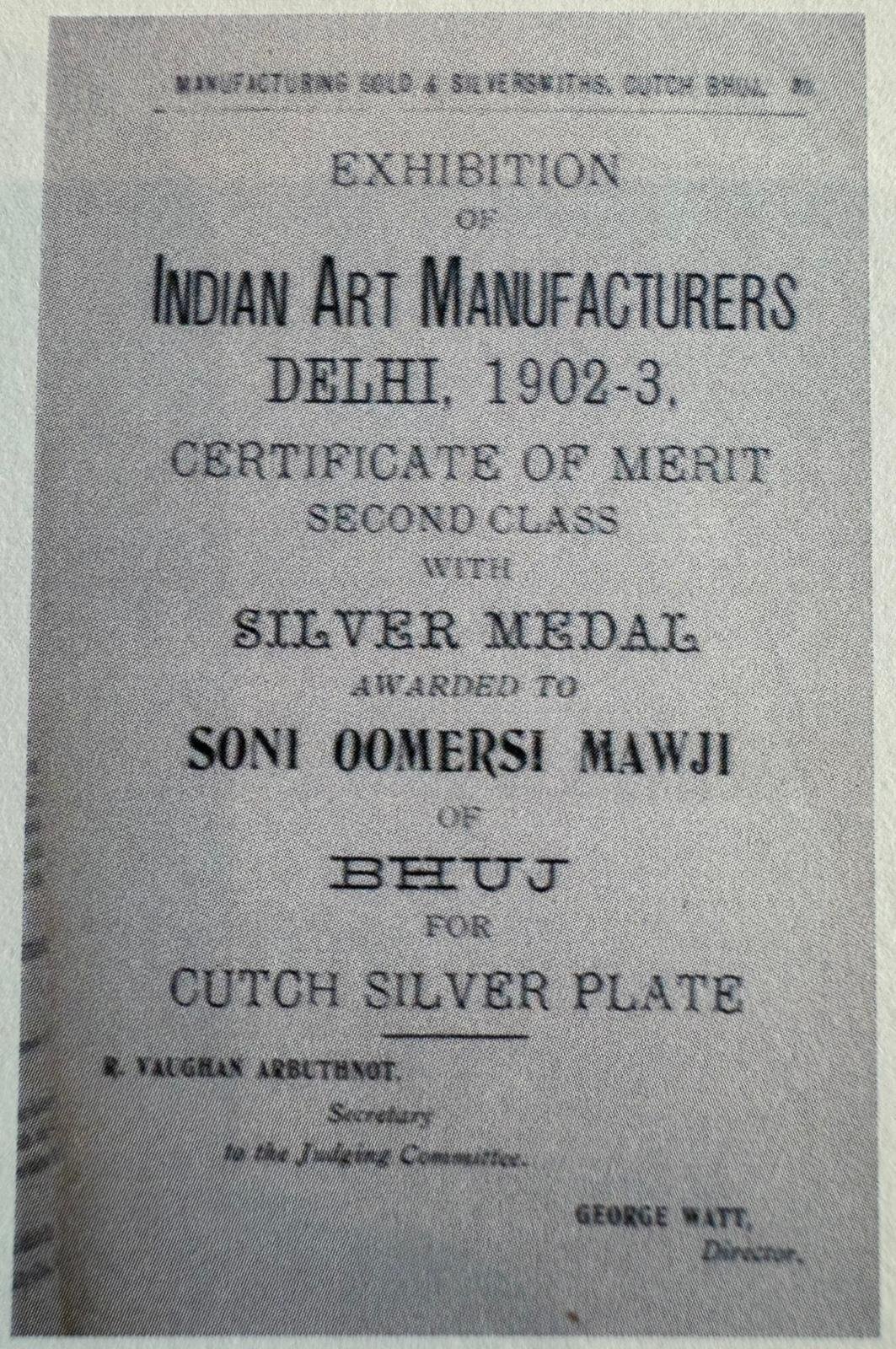
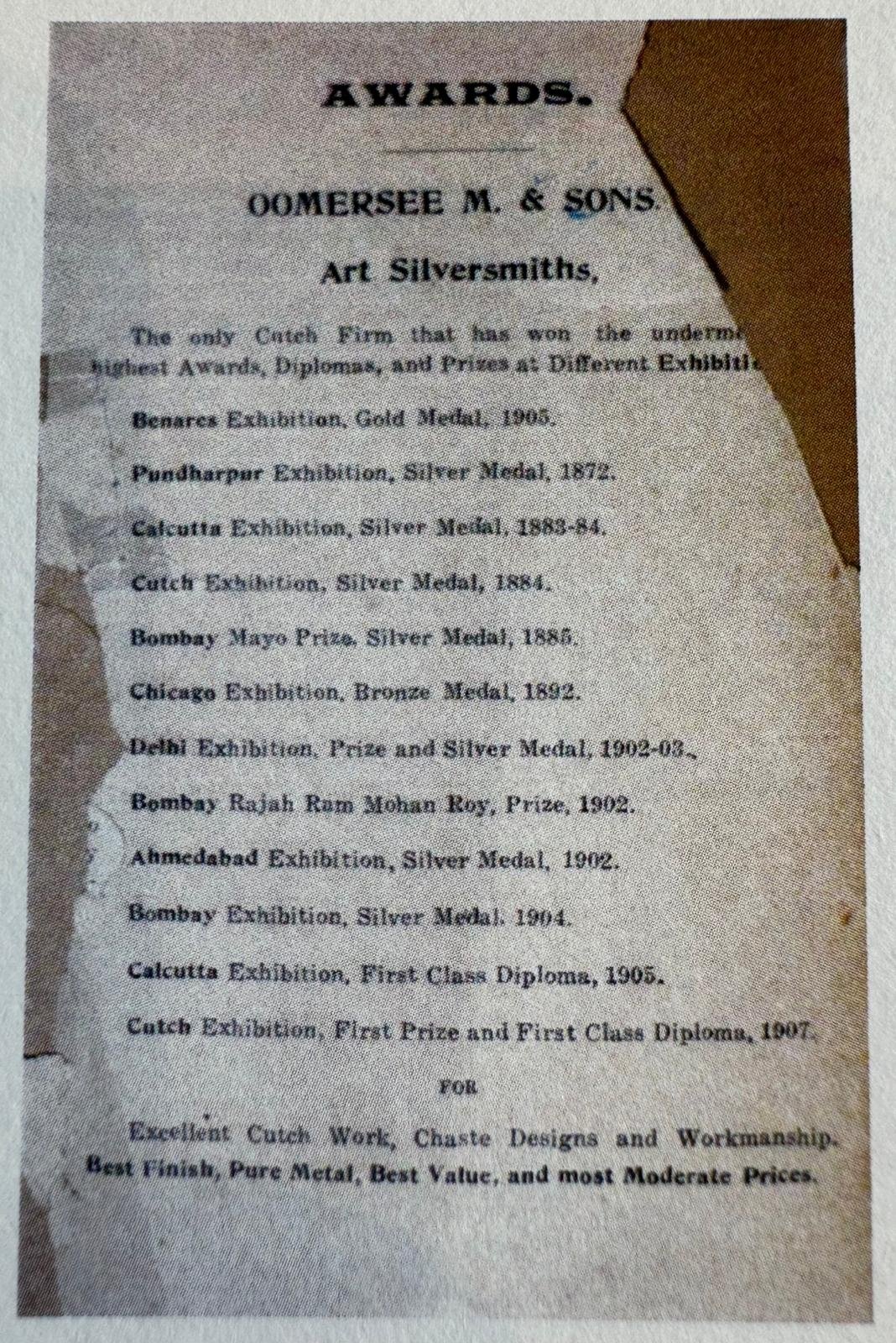
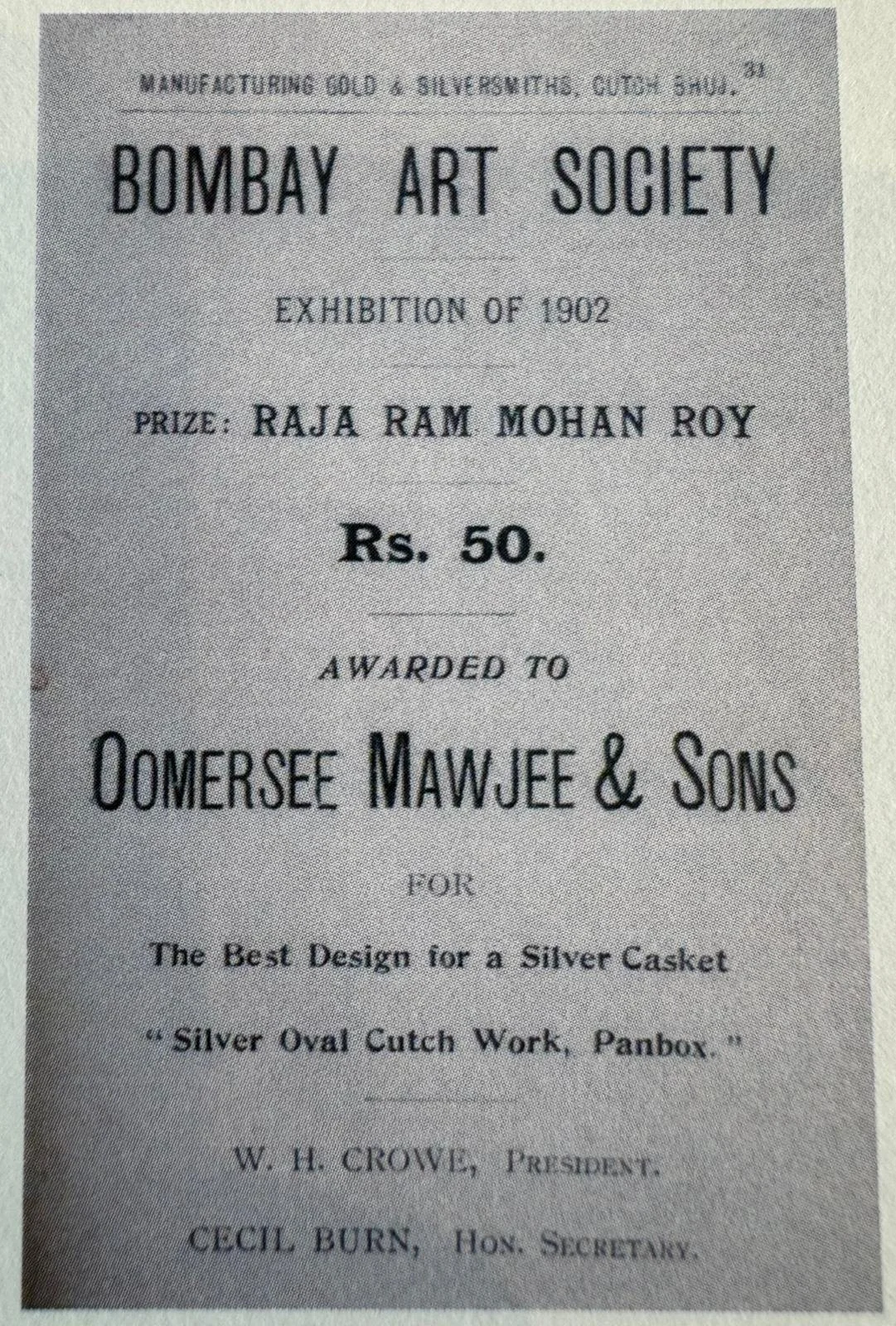
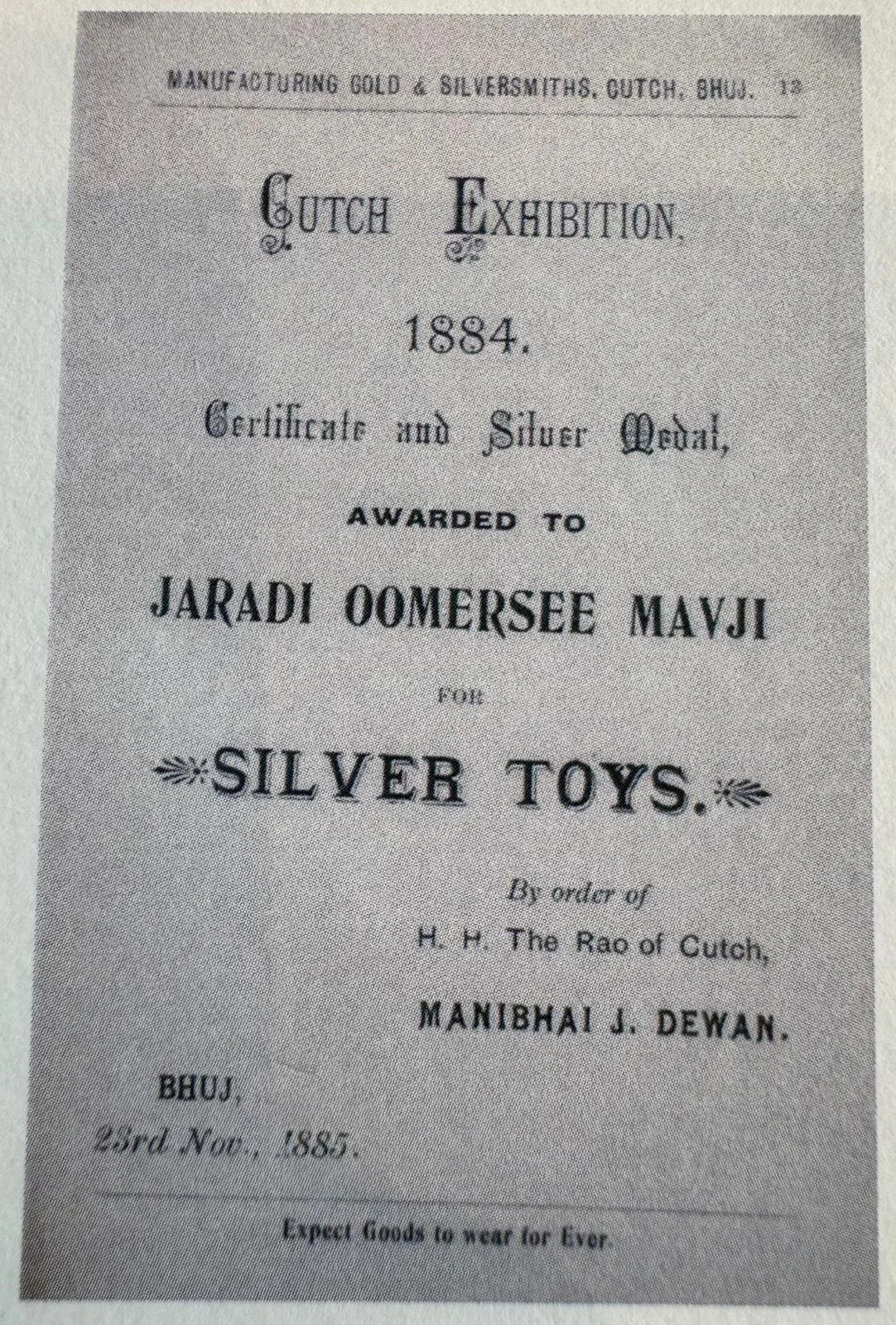
Oomersee Mawji garnered numerous awards and accolades for his exceptional work. His involvement extended beyond silversmithing to various design and architectural projects within the state. He played a significant role in selecting the final design for Bhuj's famous Pragmahal watch tower. In 1884 CE, his remarkable designs won him a silver medal and certificate in the silver toy category at the Kutch exhibition.
Mawi's unyielding spirit and steadfast dedication to quality were pivotal in his success. He participated in nationally and internationally acclaimed exhibitions, leaving his mark of master craftsmanship from Bombay (presently Mumbai) to Benares (presently Varanasi and Calcutta to Chicago. Alongside his sons, he participated in the Exposition Universelle in Paris, where they gained recognition and respect, making their articles highly sought after and valuable.
Oomersee Maw's exceptional work earned him personal letters of appreciation and work orders from numerous senior British officers.
His fame spread across Europe, with prominent retailers such as Liberty & Co and Proctor & Co featuring his brand. Today, his legacy is preserved in the London Victoria & Albert Museum collection, Virginia Museum of Fine Arts, Birmingham Museum of Arts, reputed auction houses, and private collections.
Mawji's articles bear the mark "O.M BHUJ," a testament to his exceptional work and status as one of the finest silversmiths of the nineteenth century CE. In recognition of his skills and contributions to art and the economy, Oomersee Mawji was appointed court silversmith to His Highness the Maharao of Kutch, Maharao Shri Mirza Raja Sawai Khengarji Bahadur.
THE INFLUENCE OF COLONIALISM ON KUTCH SILVERSMITHING
The arrival of colonial powers in India significantly increased the demand for silver articles and cutlery. One of the most successful strategies to enhance the artistry and appeal of these items was the integration of Indian motifs with Western decorative elements. Each region in India developed a distinct style, skill set, and design for their silverwork. Kutch, for example, was known for its scroll foliage and hunting scenes, while Madras featured deities on the surface. Chinar tree leaves distinguished Kashmir, and Calcutta depicted lifestyle and village scenes. Even the embossing techniques varied, with differences in depth and detail across regions.
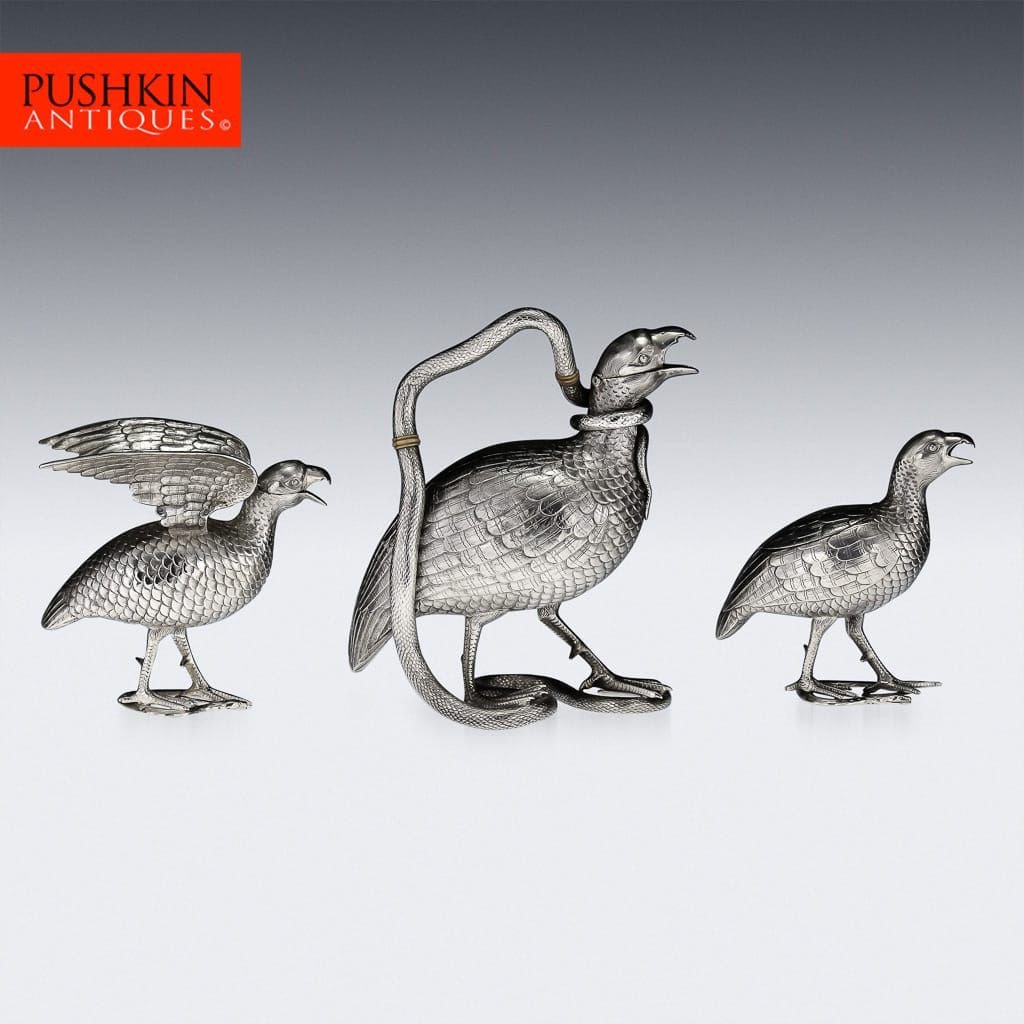
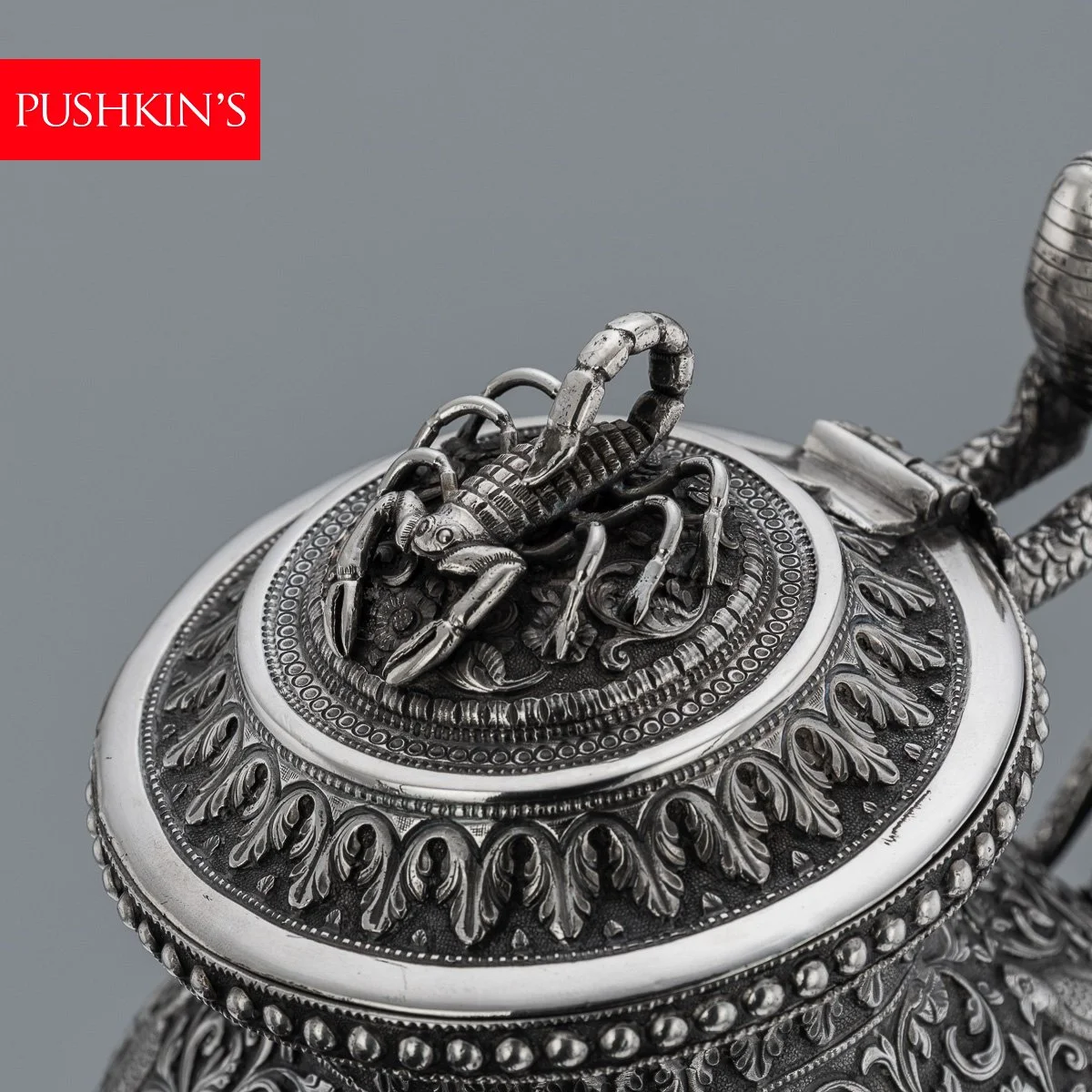
Indian silversmiths managed to preserve the essential aspects of their traditional work while incorporating European elements, such as shapes and designs, and Western articles, such as cigar boxes and stamp boxes, thus creating a unique hybrid segment. For instance, tea sets made for Europeans often had snake handles, scorpion, and elephant finials, all adorned with hunting scenes. There were seven main centres of silver production in India where silver articles were crafted in European forms but decorated with Indian designs. These centres included Bombay, Burma (now in Myanmar), Calcutta, Kutch, Kashmir, Lucknow, and Madras.
The introduction or silver cutlery, such as trays, tea sets, wine glasses, soapboxes, calling card cases, cigar cases, stamp boxes, wine jugs, inkpots, goblets, and engraved salvers, transformed the perception of art and artistry in India. This style of fusion lasted almost 75 years, from 1865 to 1947. This combination of styles was crucial in gaining worldwide recognition and approval. The solid British presence and influence in India boosted the creation of silver articles for an international clientele. Indian silversmiths also produced traditional silverware designs for Europeans living in India, which later gained popularity in the broader global market. As a result, Kutch’s silver work soon found its way into fashionable shops and stores in Great Britain, Europe and the United States.
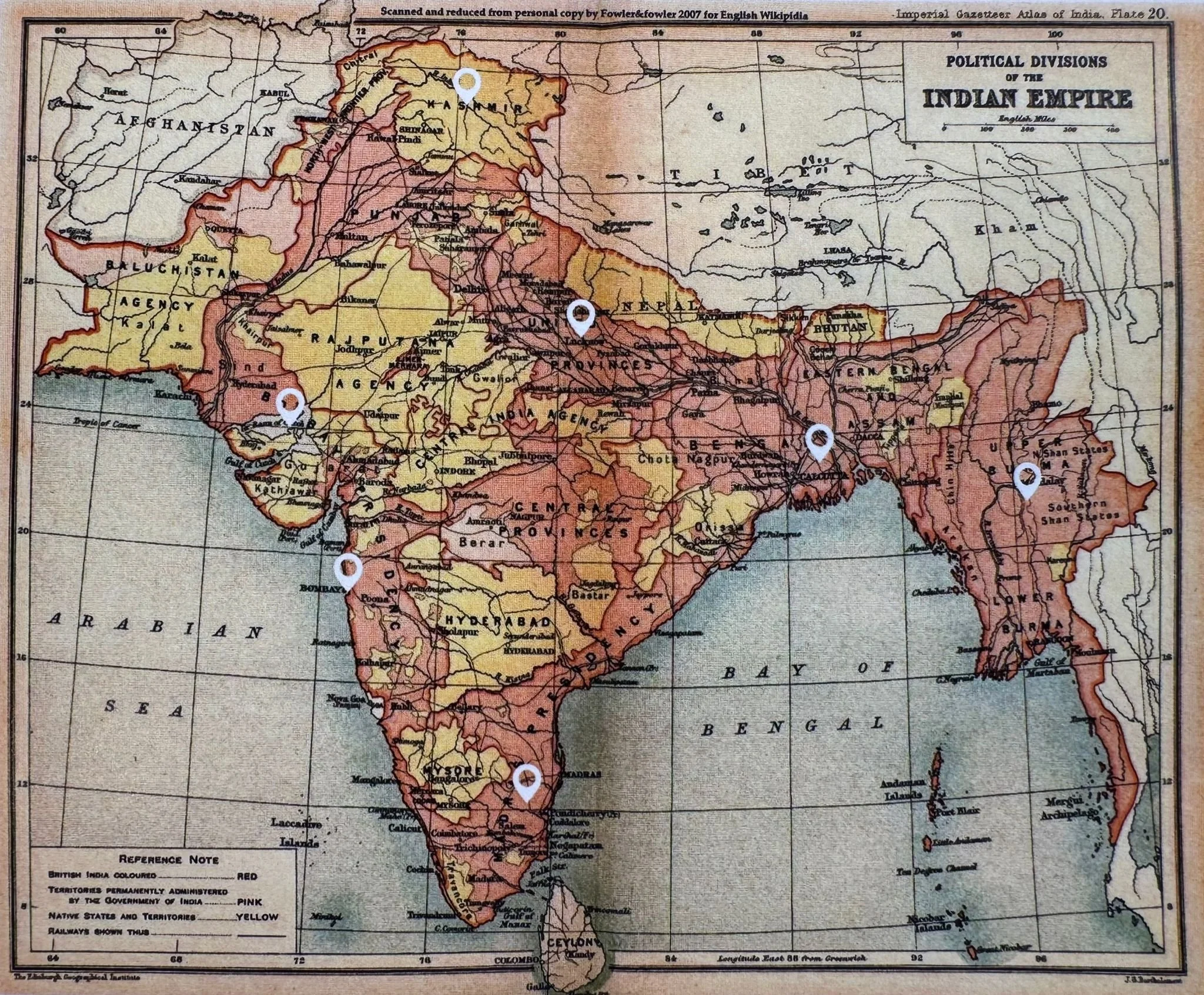
The seven centres of silversmithing in the British era