Image 1 of 56
 Image 2 of 56
 Image 3 of 56
 Image 4 of 56
 Image 5 of 56
 Image 6 of 56
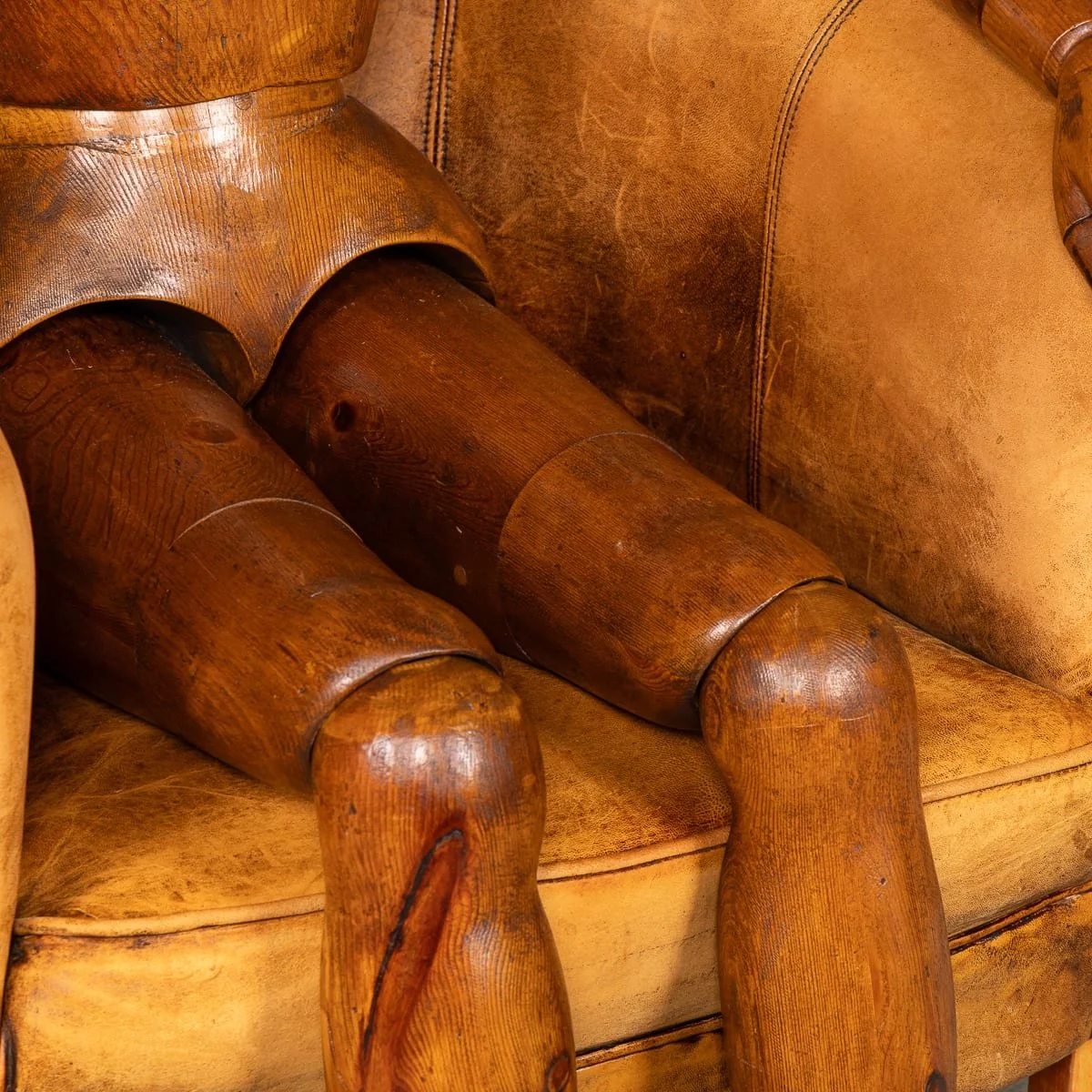 Image 7 of 56
 Image 8 of 56
 Image 9 of 56
 Image 10 of 56
 Image 11 of 56
 Image 12 of 56
 Image 13 of 56
 Image 14 of 56
 Image 15 of 56
 Image 16 of 56
 Image 17 of 56
 Image 18 of 56
 Image 19 of 56
 Image 20 of 56
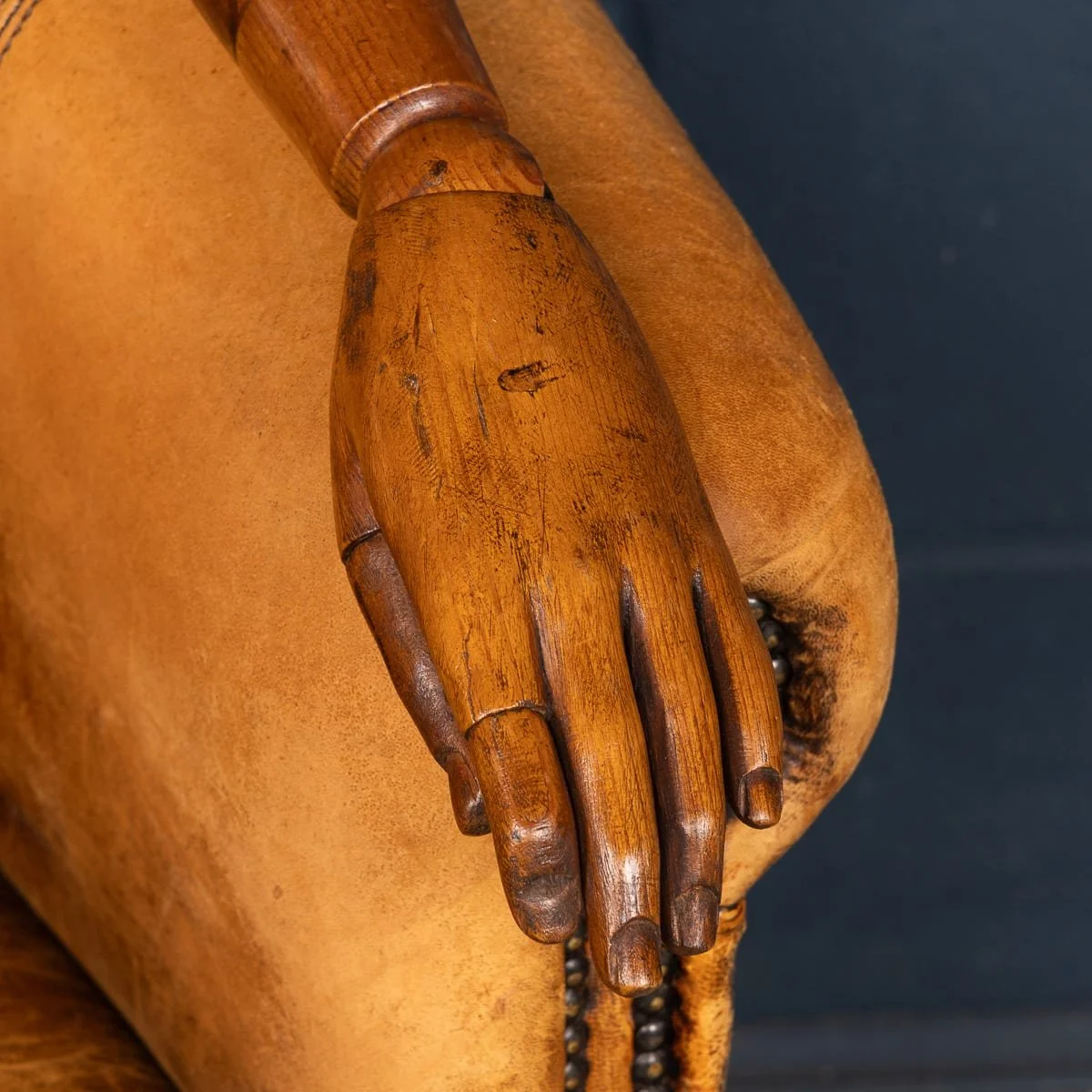 Image 21 of 56
 Image 22 of 56
 Image 23 of 56
 Image 24 of 56
 Image 25 of 56
 Image 26 of 56
 Image 27 of 56
 Image 28 of 56
 Image 29 of 56
 Image 30 of 56
 Image 31 of 56
 Image 32 of 56
 Image 33 of 56
 Image 34 of 56
 Image 35 of 56
 Image 36 of 56
 Image 37 of 56
 Image 38 of 56
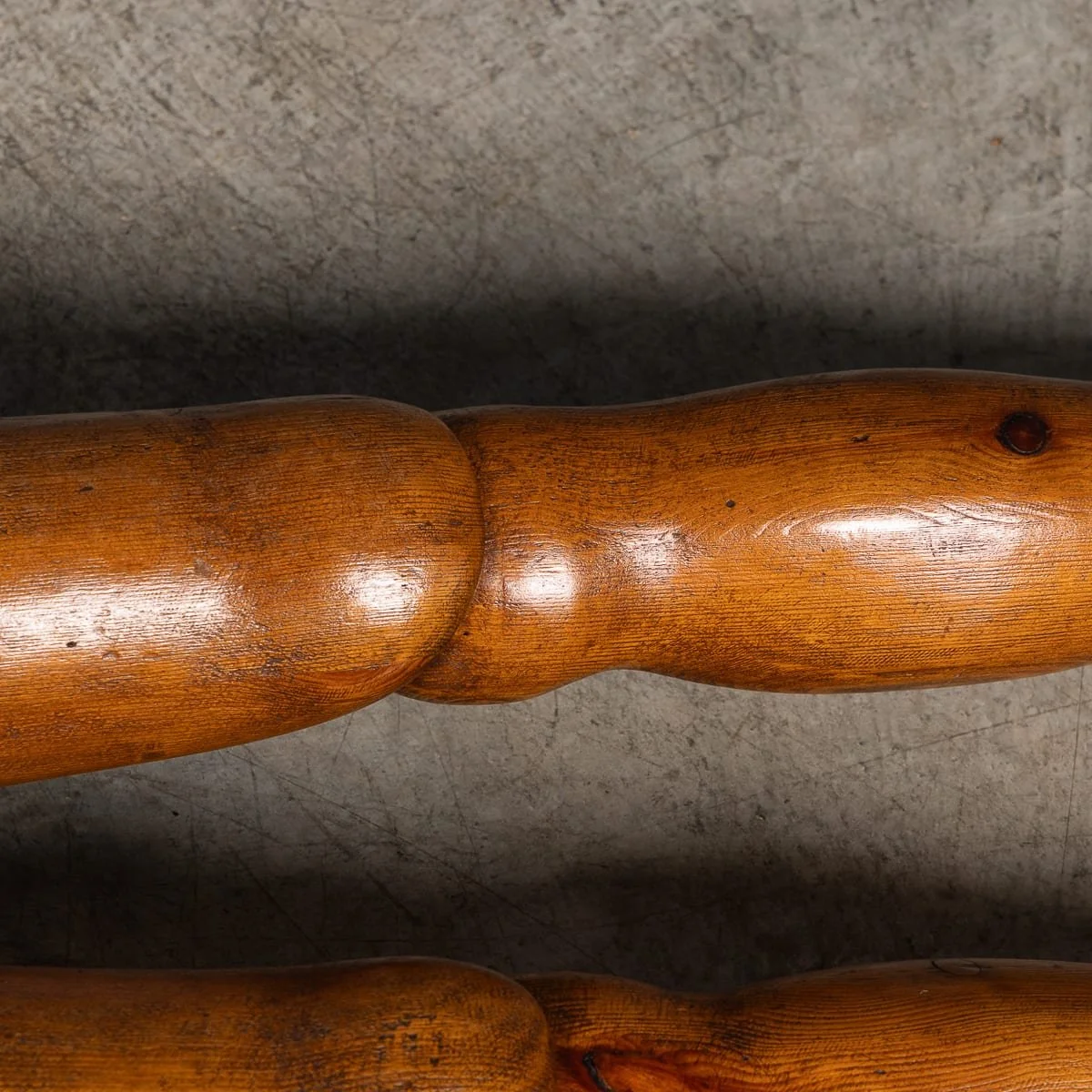 Image 39 of 56
 Image 40 of 56
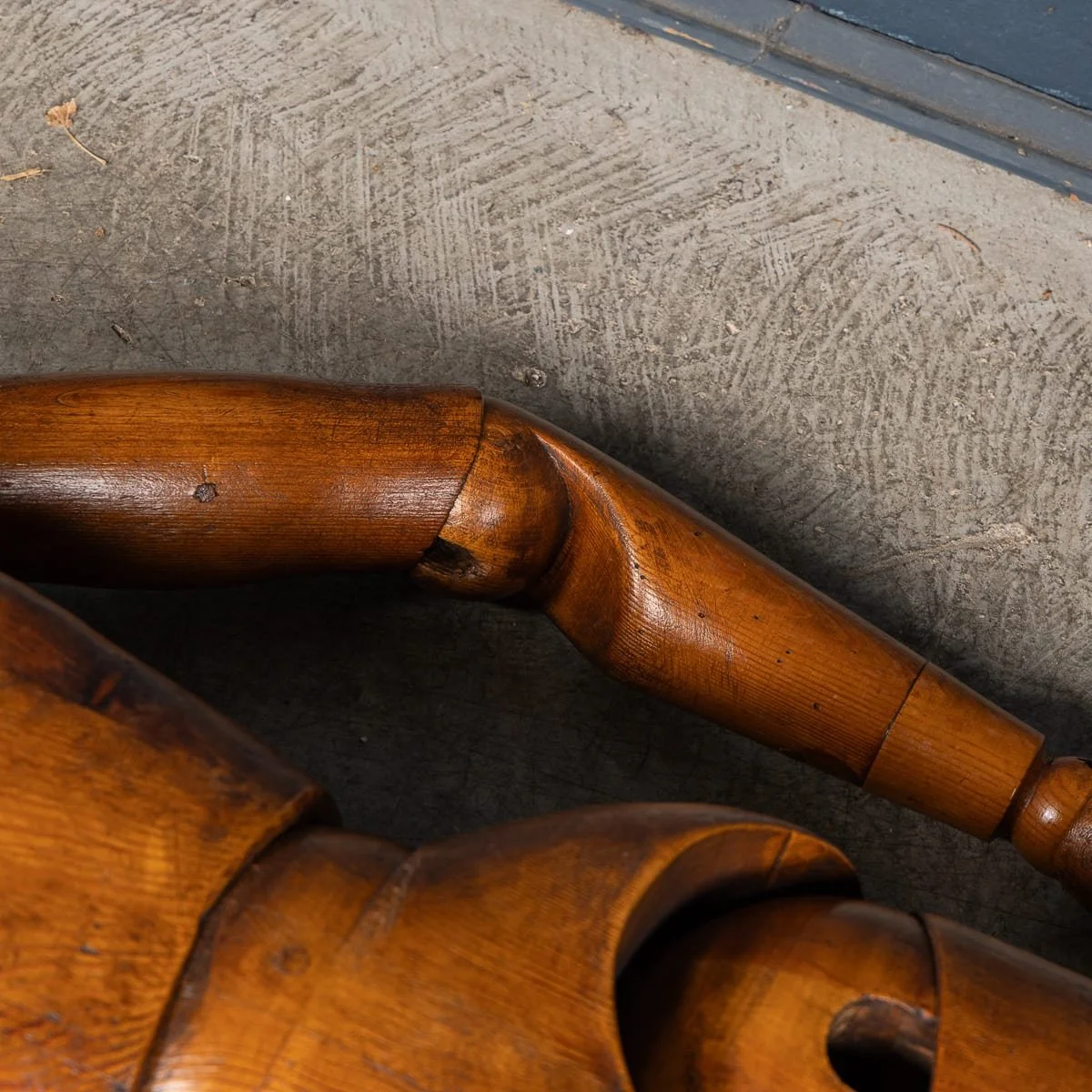 Image 41 of 56
 Image 42 of 56
 Image 43 of 56
 Image 44 of 56
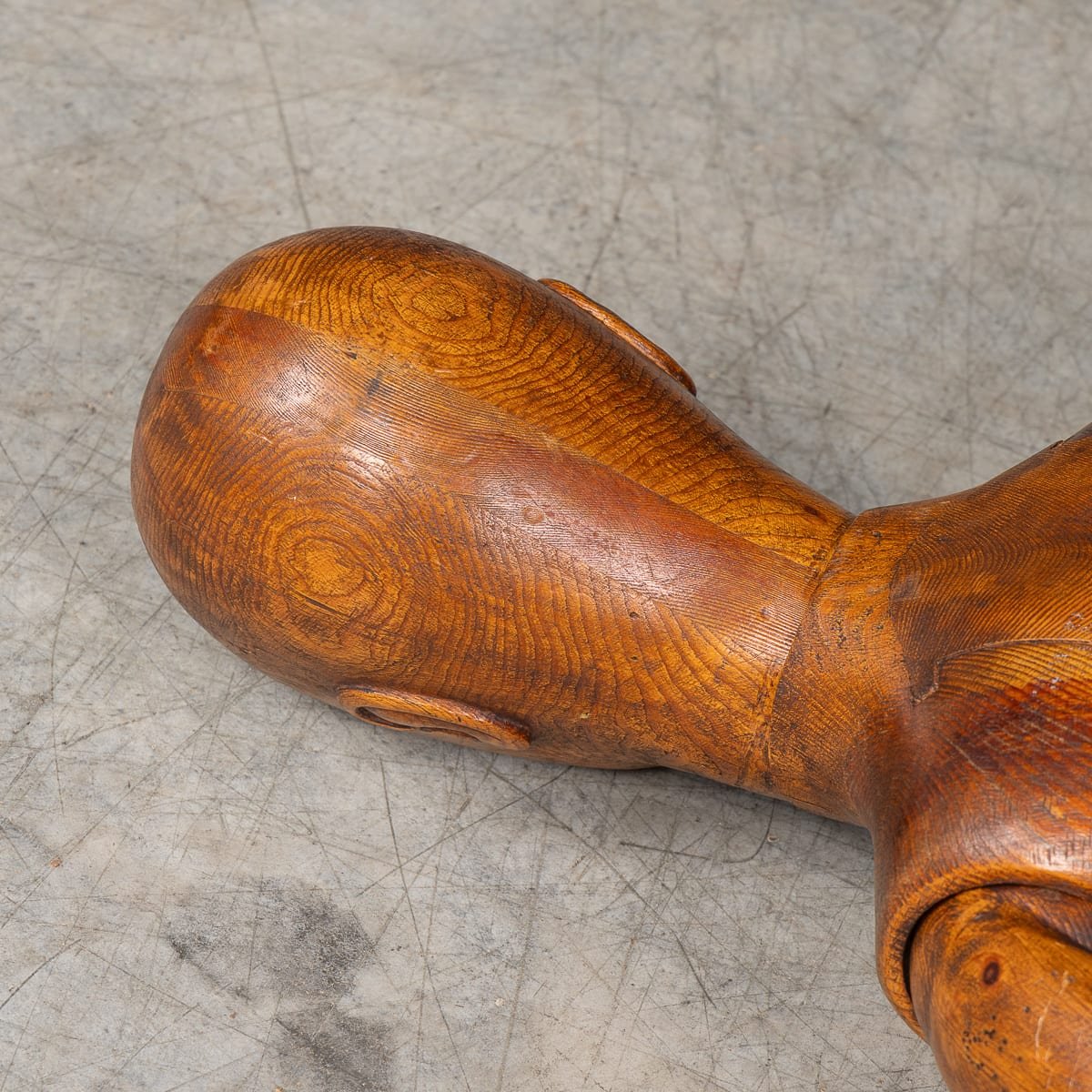 Image 45 of 56
 Image 46 of 56
 Image 47 of 56
 Image 48 of 56
 Image 49 of 56
 Image 50 of 56
 Image 51 of 56
 Image 52 of 56
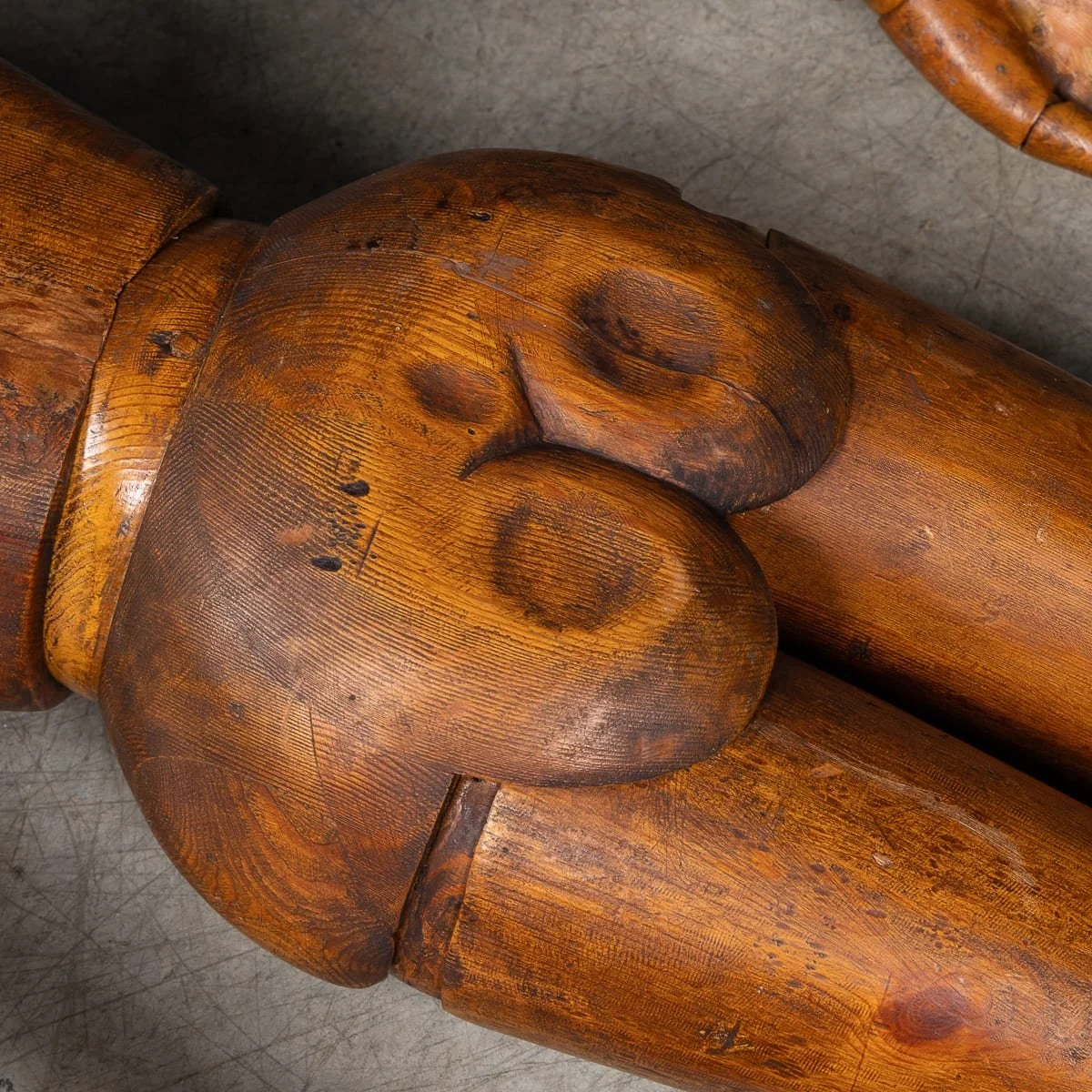 Image 53 of 56
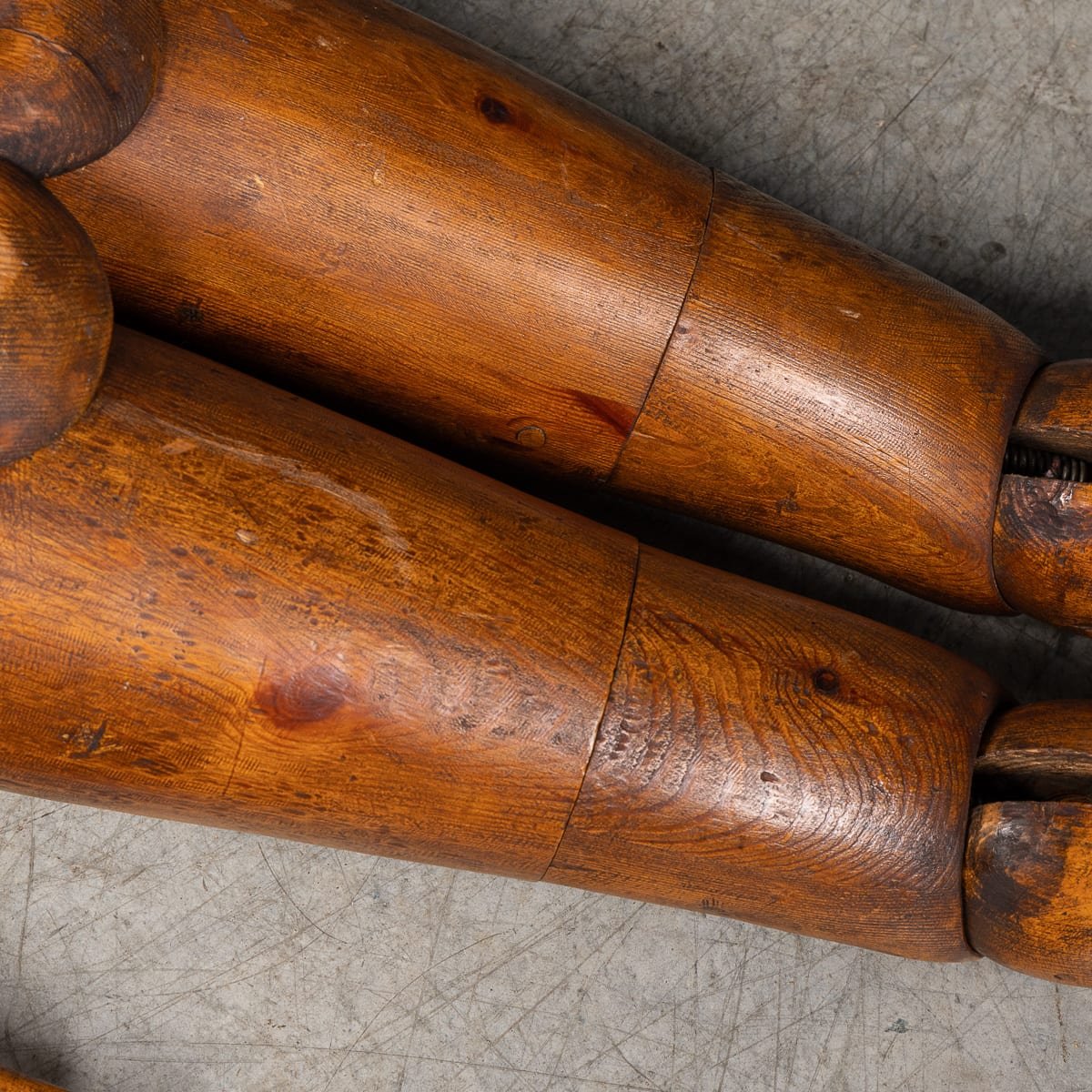 Image 54 of 56
 Image 55 of 56
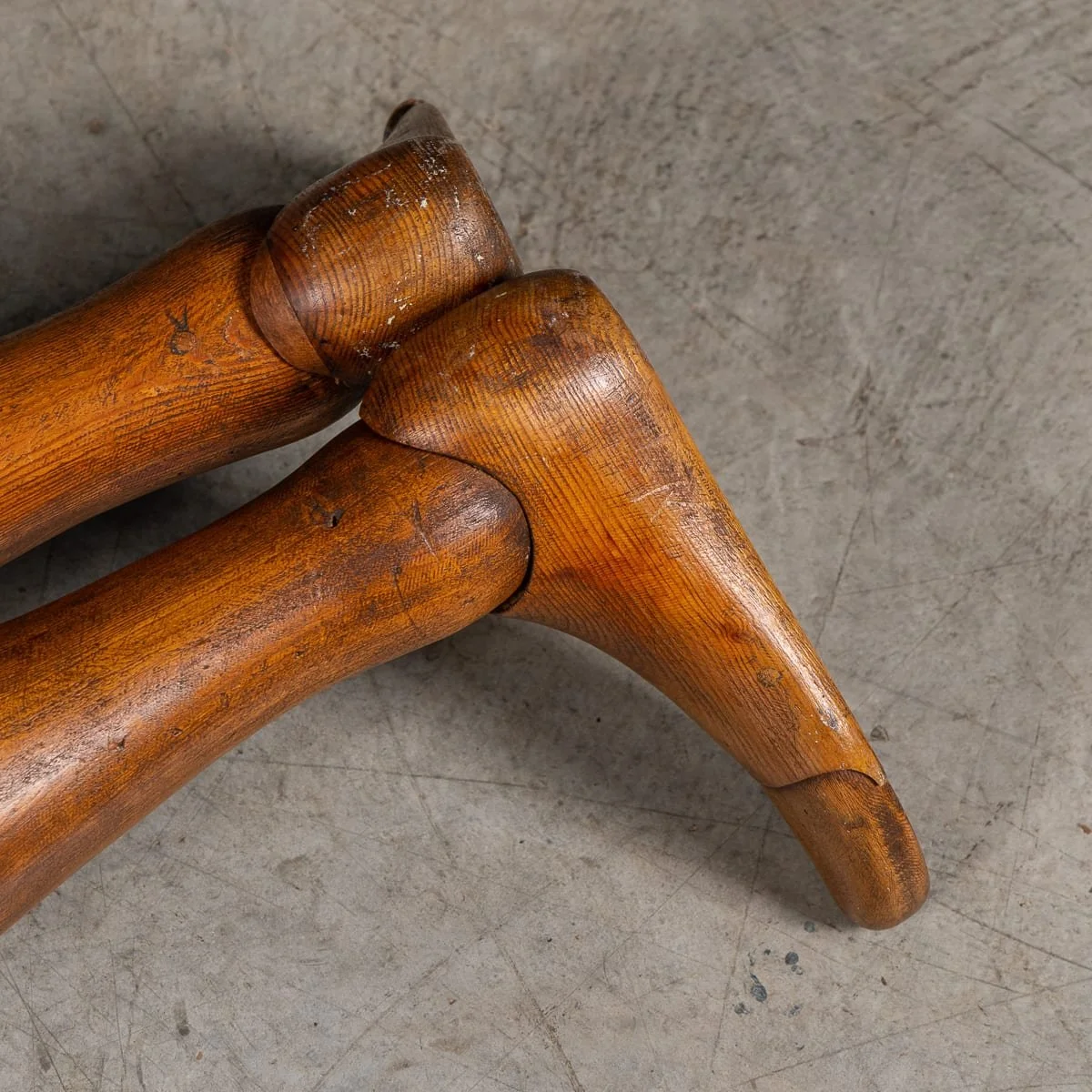 Image 56 of 56
ADDITIONAL INFORMATION
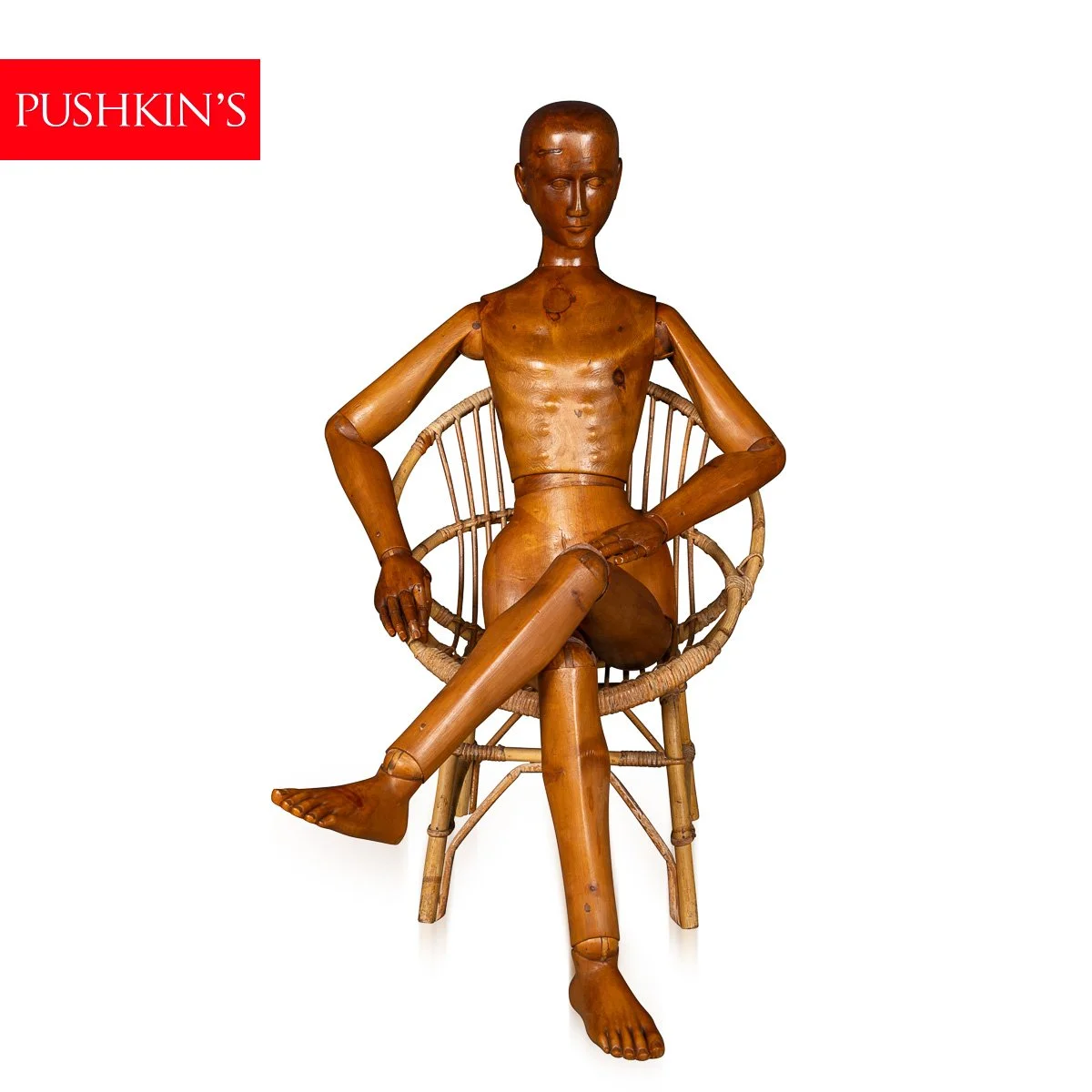
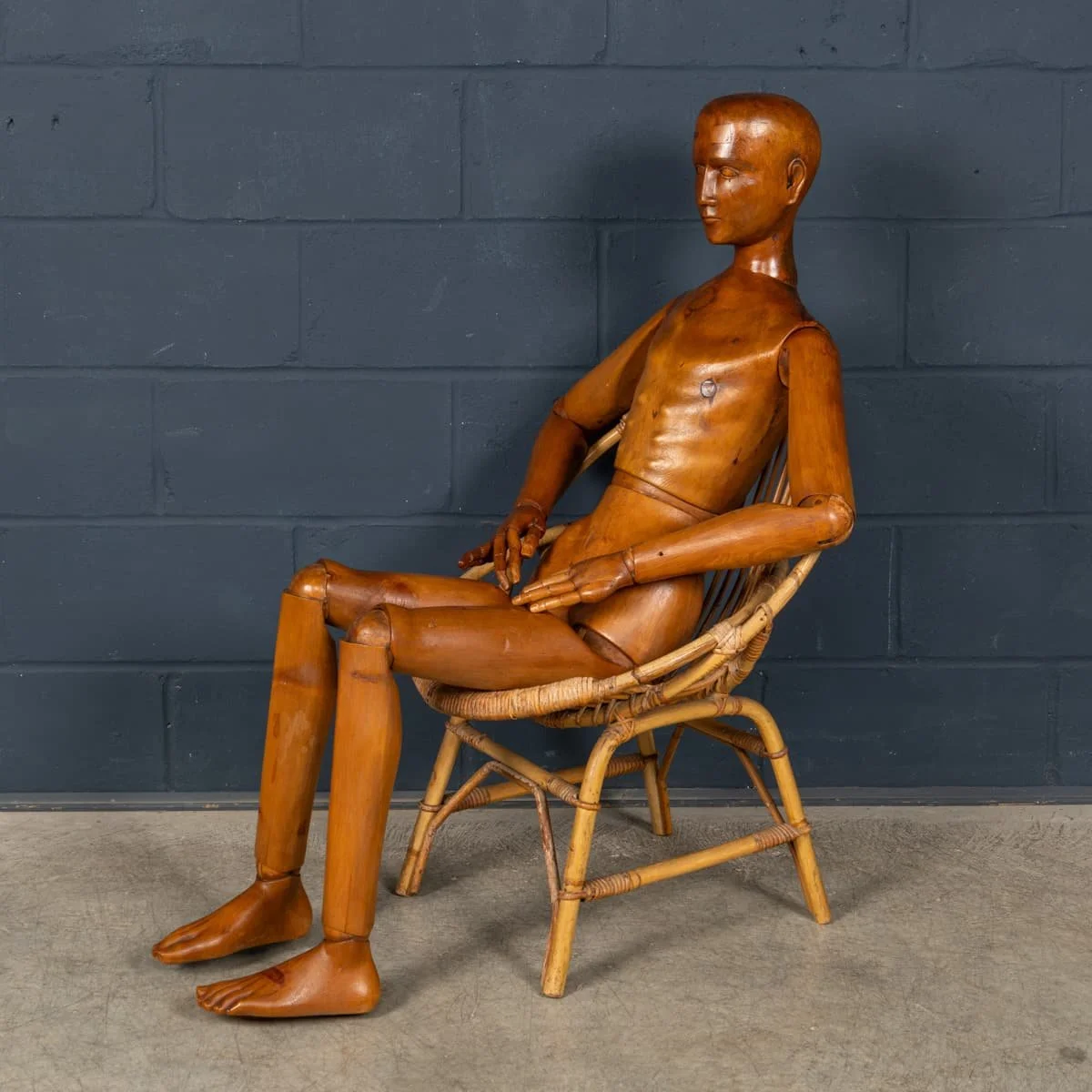
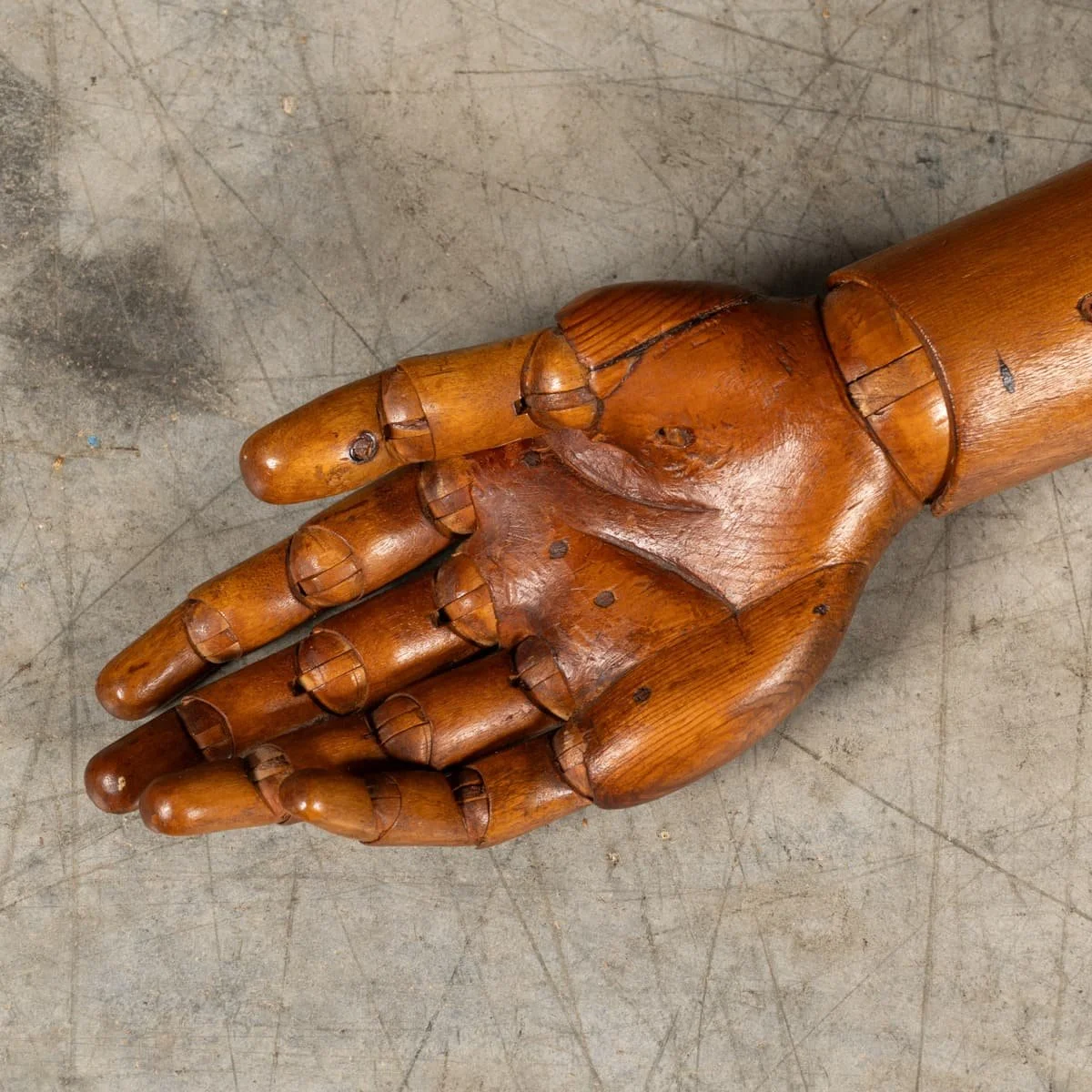
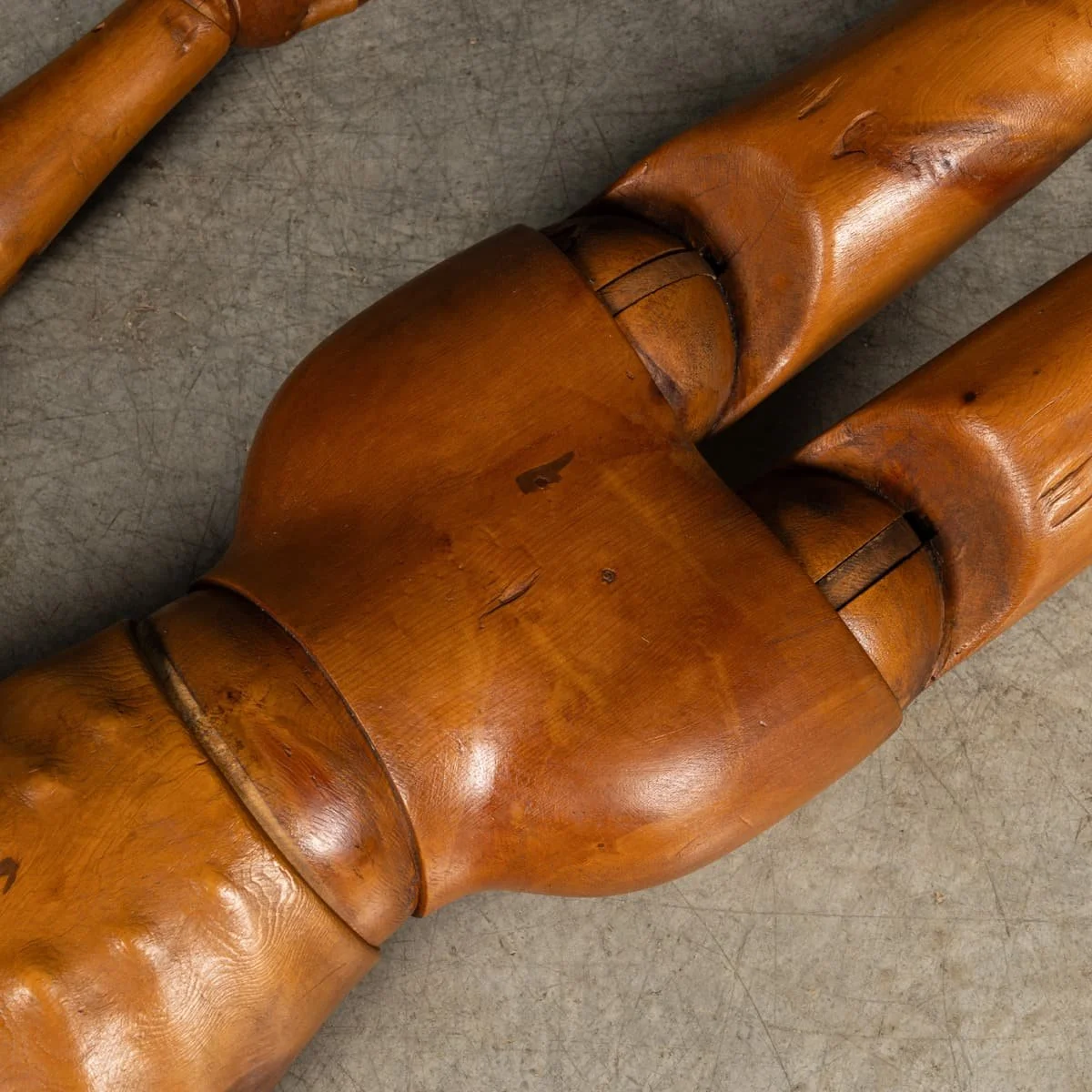
Articulated figures found among the stocks of art supply merchants, date back several centuries. Ranging in size from under 7 inches to larger than life-size, the earliest and finest examples are of South German origin from the early 16th century. Engineered with an ingenious system of gut bands, these are posable in multiple ways, with movable trunk, limbs, feet and hands, even the individual joints of the fingers. Minute and meticulous attention was paid to every articulation.
The exquisite, earliest boxwood examples of male and female figures were not suitable for rigorous use in artist studios and were likely made for display in Kunstkammer collections, reflecting the interest in the human body during the Renaissance. They also give us a historical milestone in the evolution of small scale carved figures becoming artistic works in their own right, as referenced in the collections of Innsbruck Museum, Austria and Berlin's Bode Museum.
Mannequins, also known a lay figures, became more androgynous from the 18th into the 19th century, by which time they were constructed in pine, linden or walnut with wooden pegs and separate male and female figures were seldom made. A superlative 18th century example is the model used by the sculptor Louis-Francois Roubiliac. Now in the collection of the Museum of London, it has the original box with clothing, male and female, along with hat and wig.
Reaching their peak of manufacture and popularity in France circa 1850, ownership was coveted. "Mannequin Articule’ " would be listed in the inventory of important artists' possessions at that time.
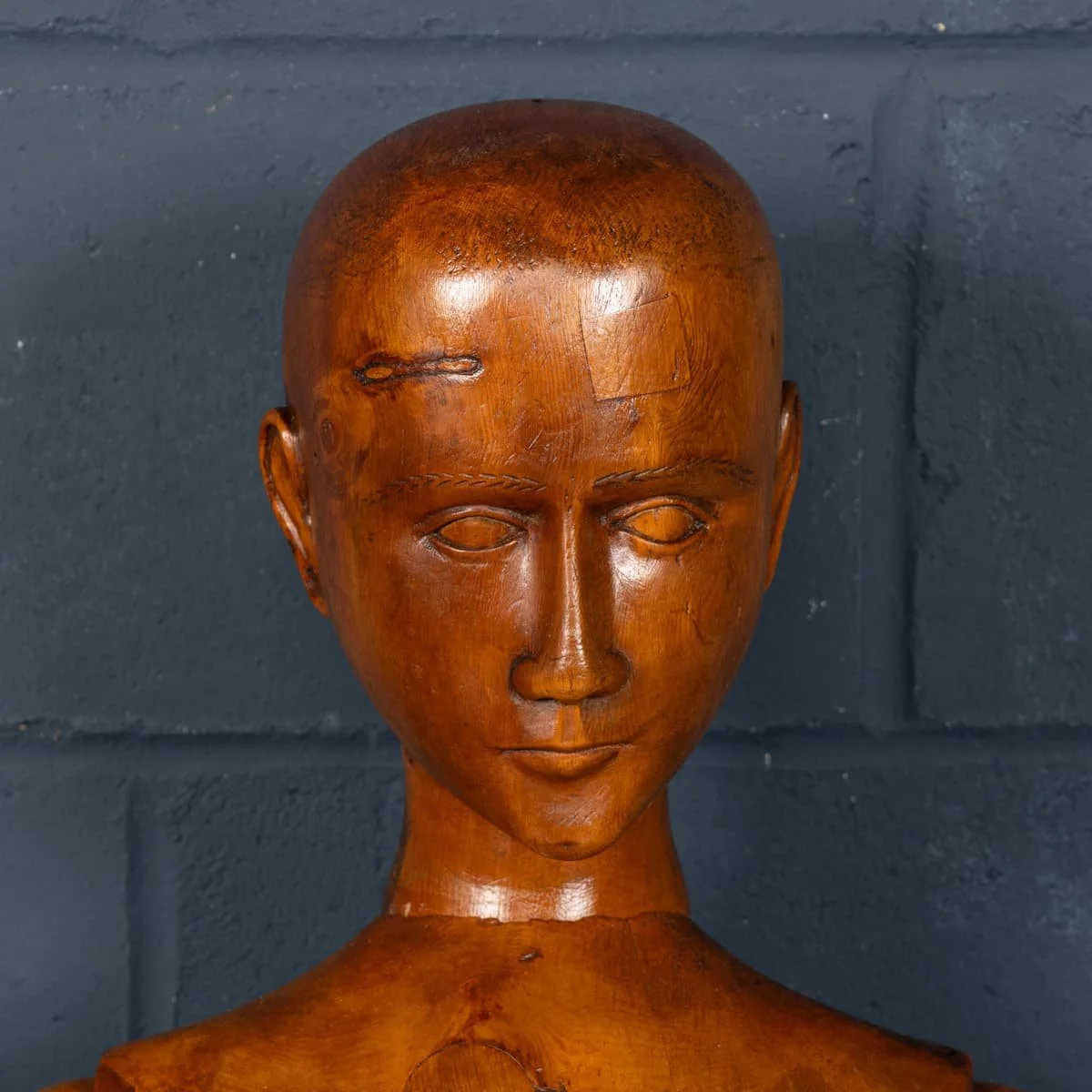
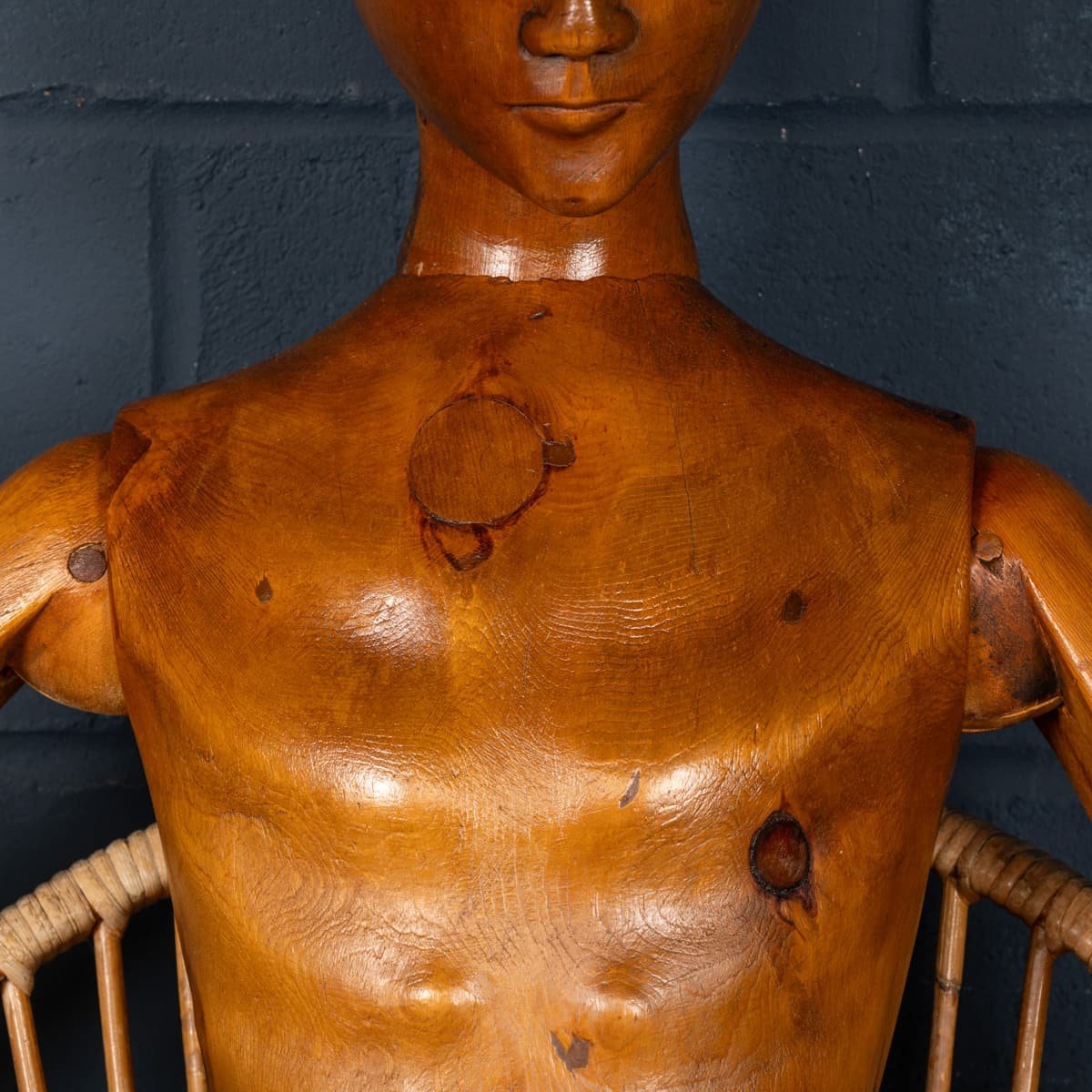
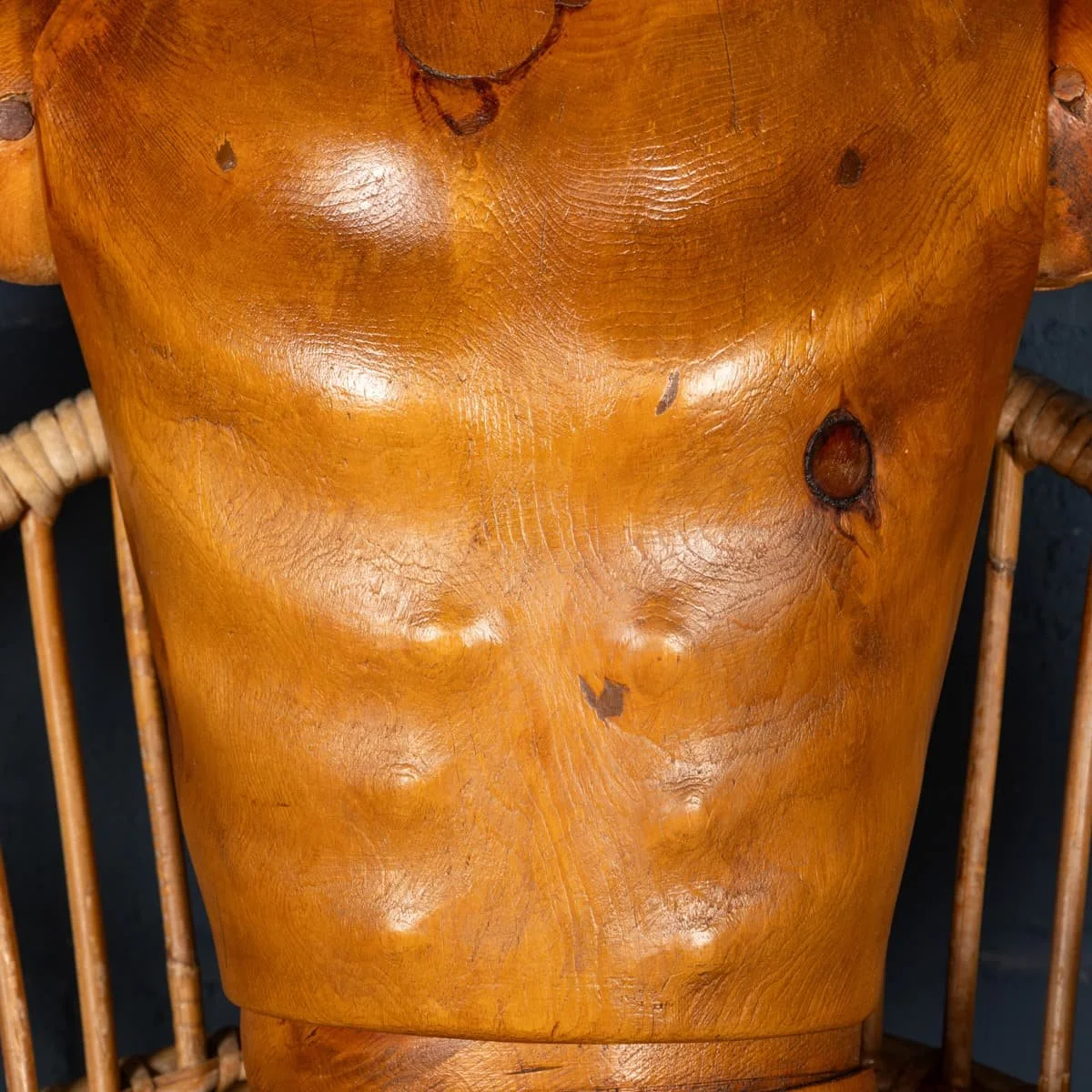
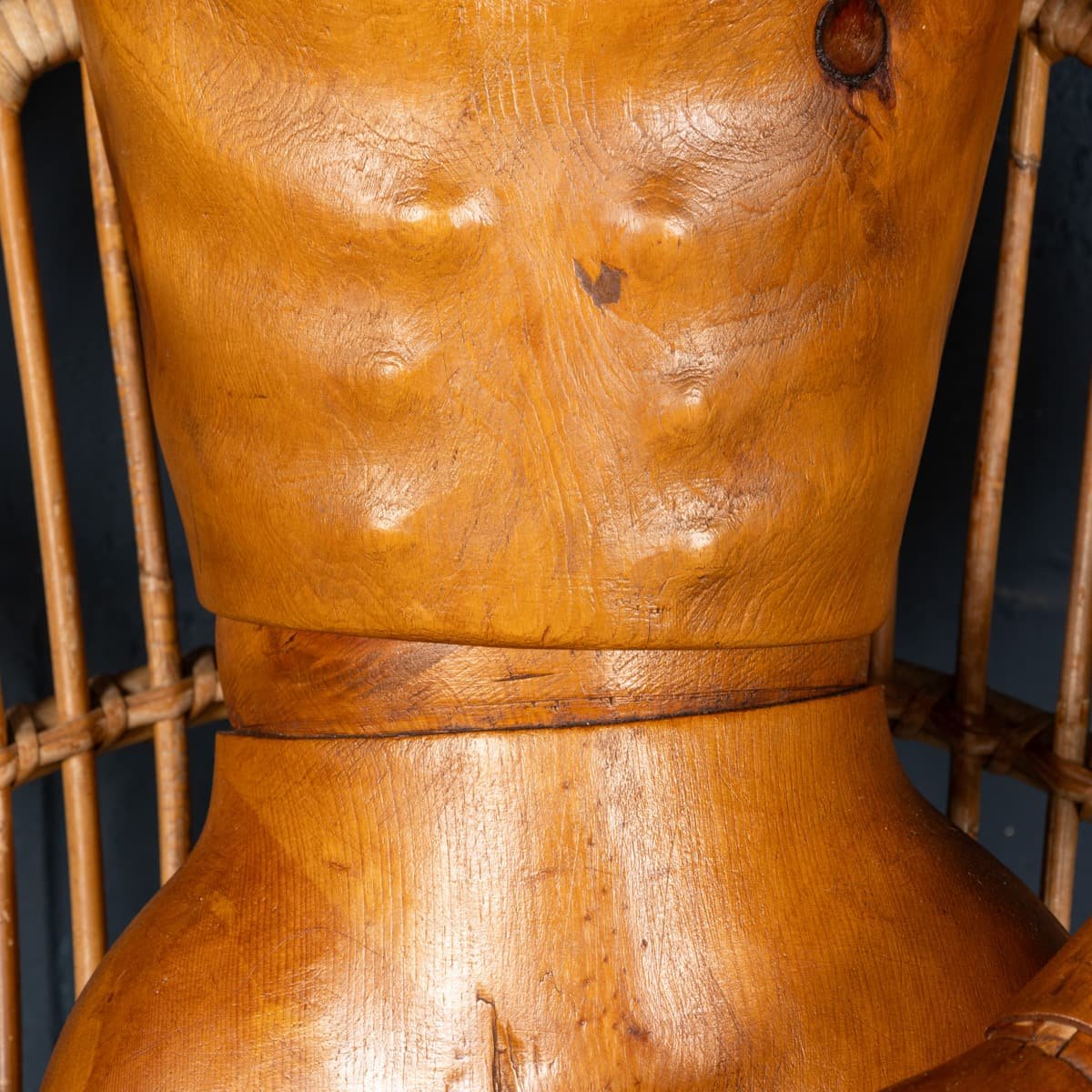
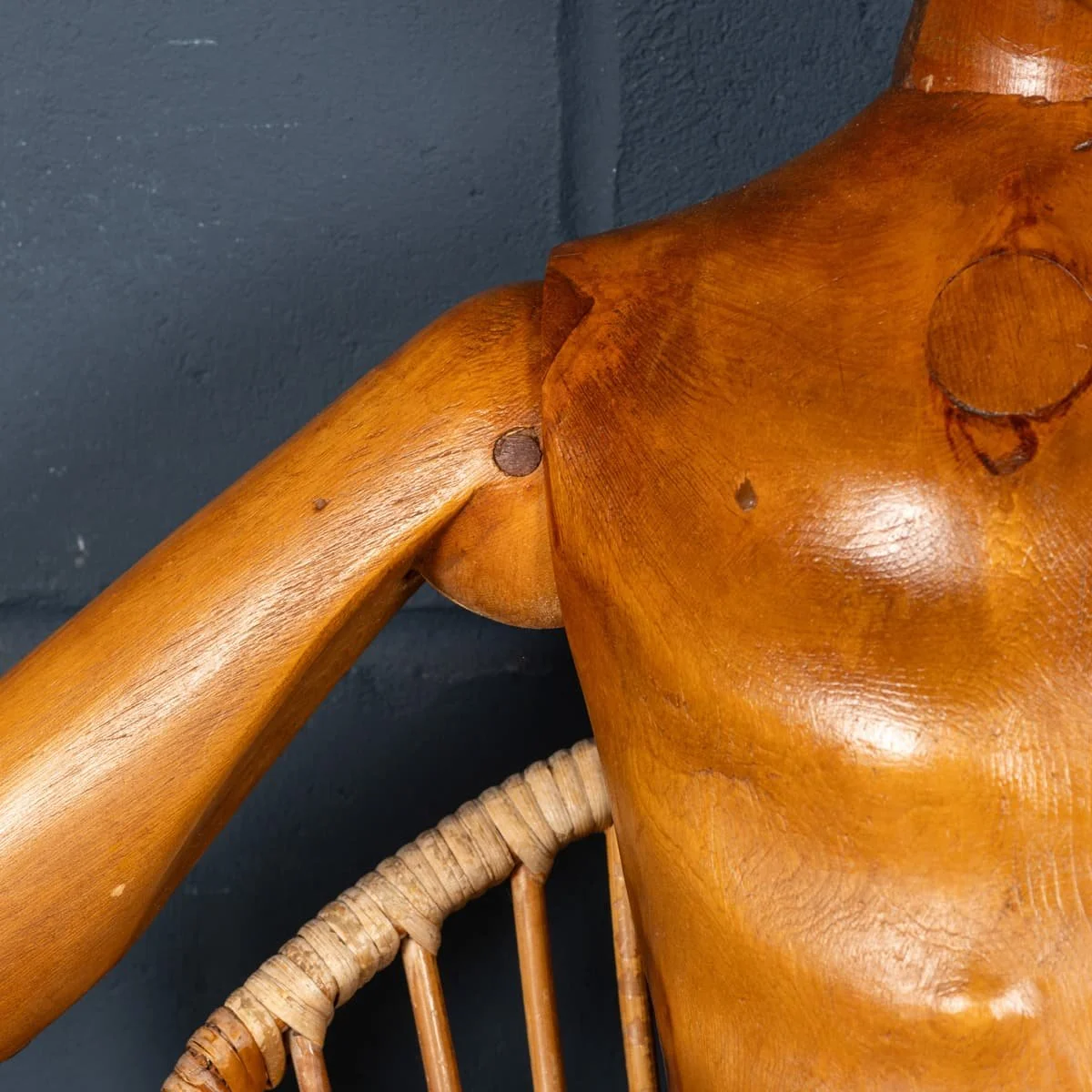
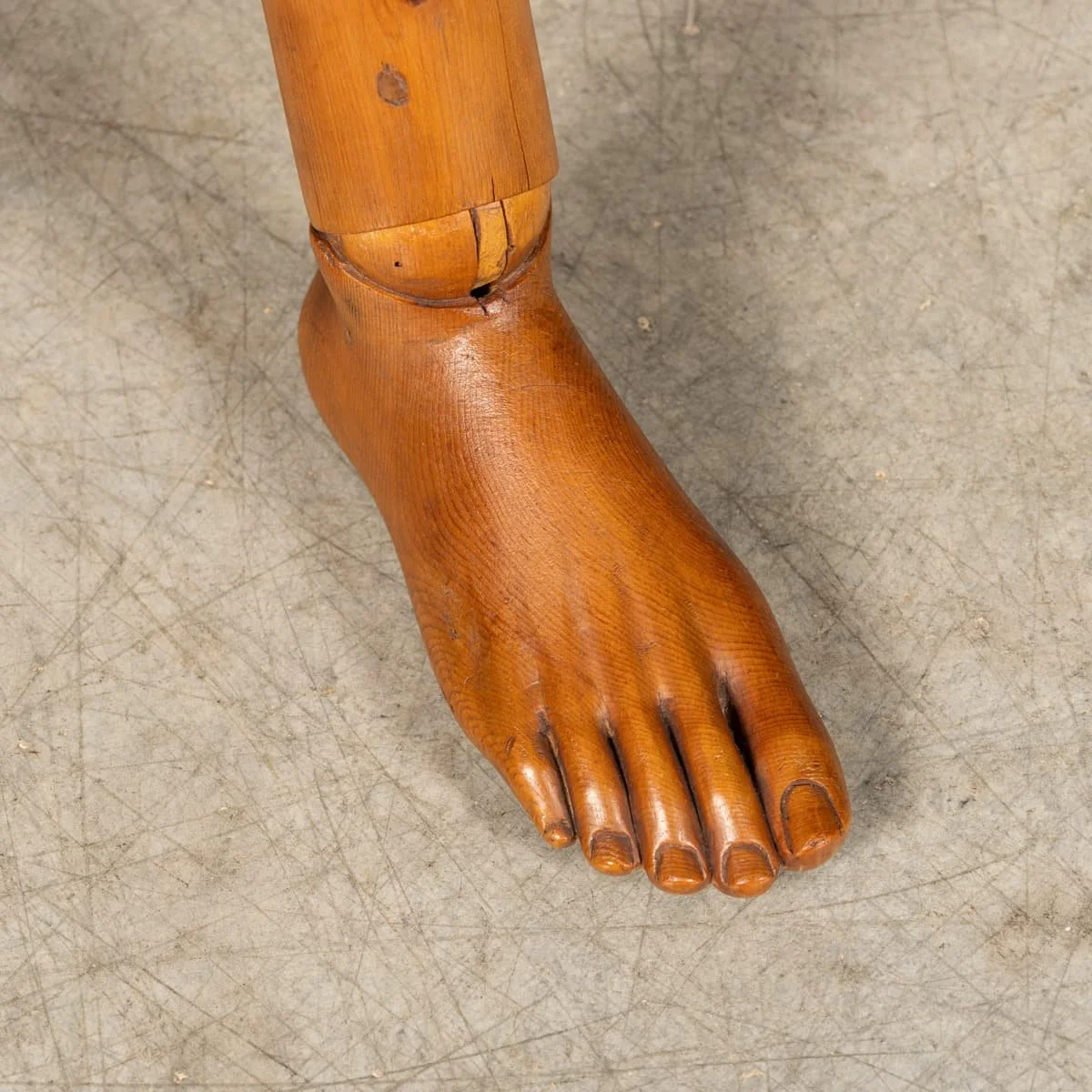
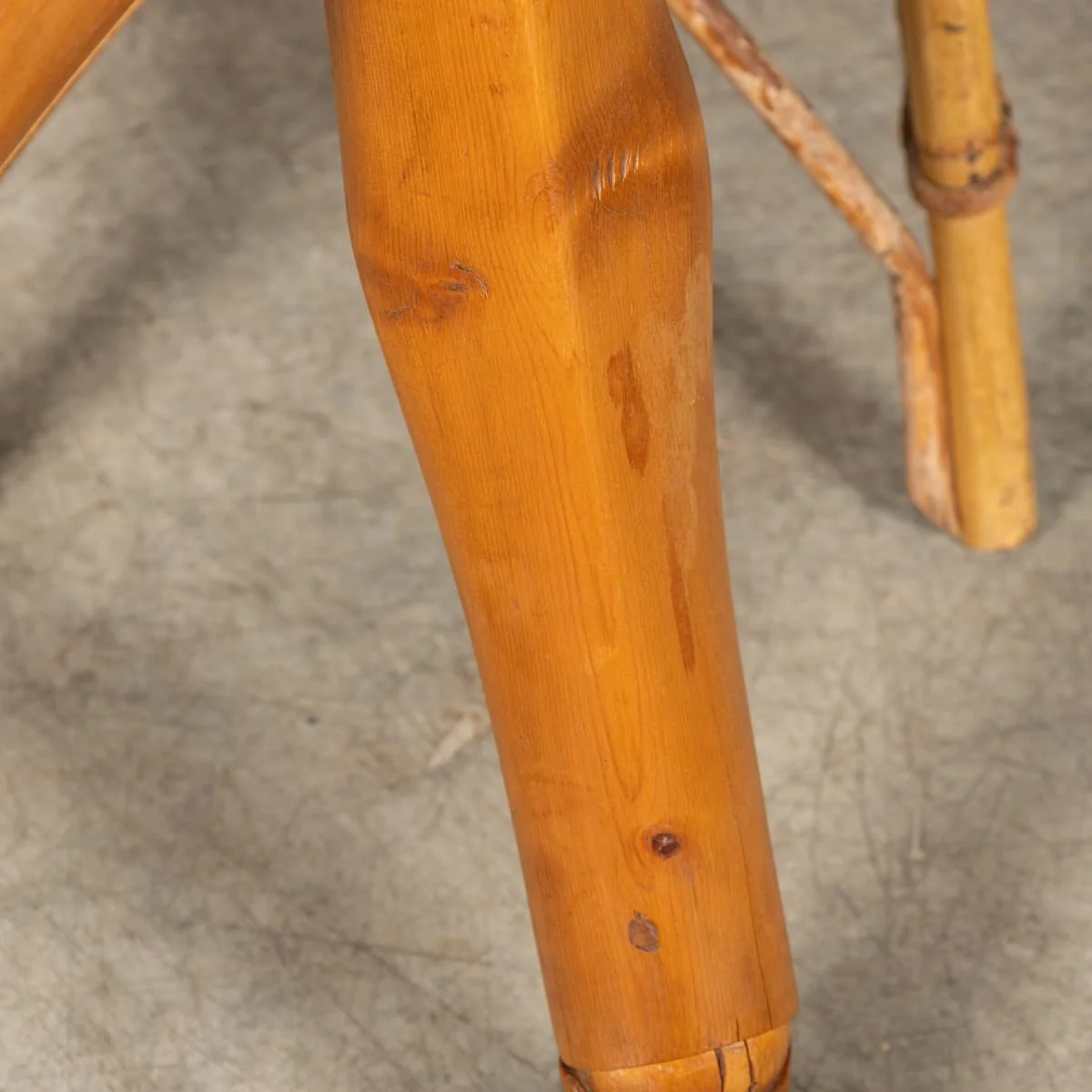
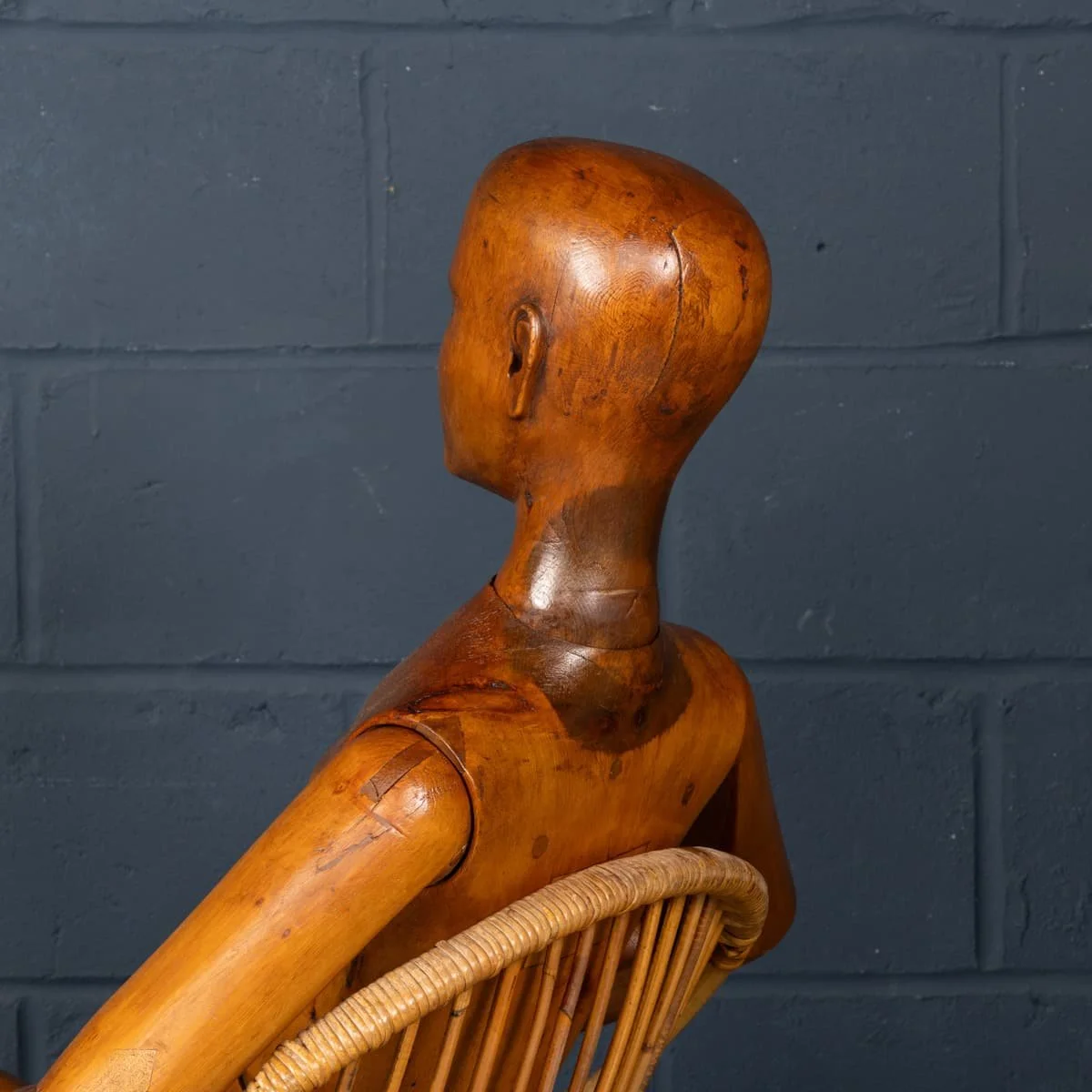
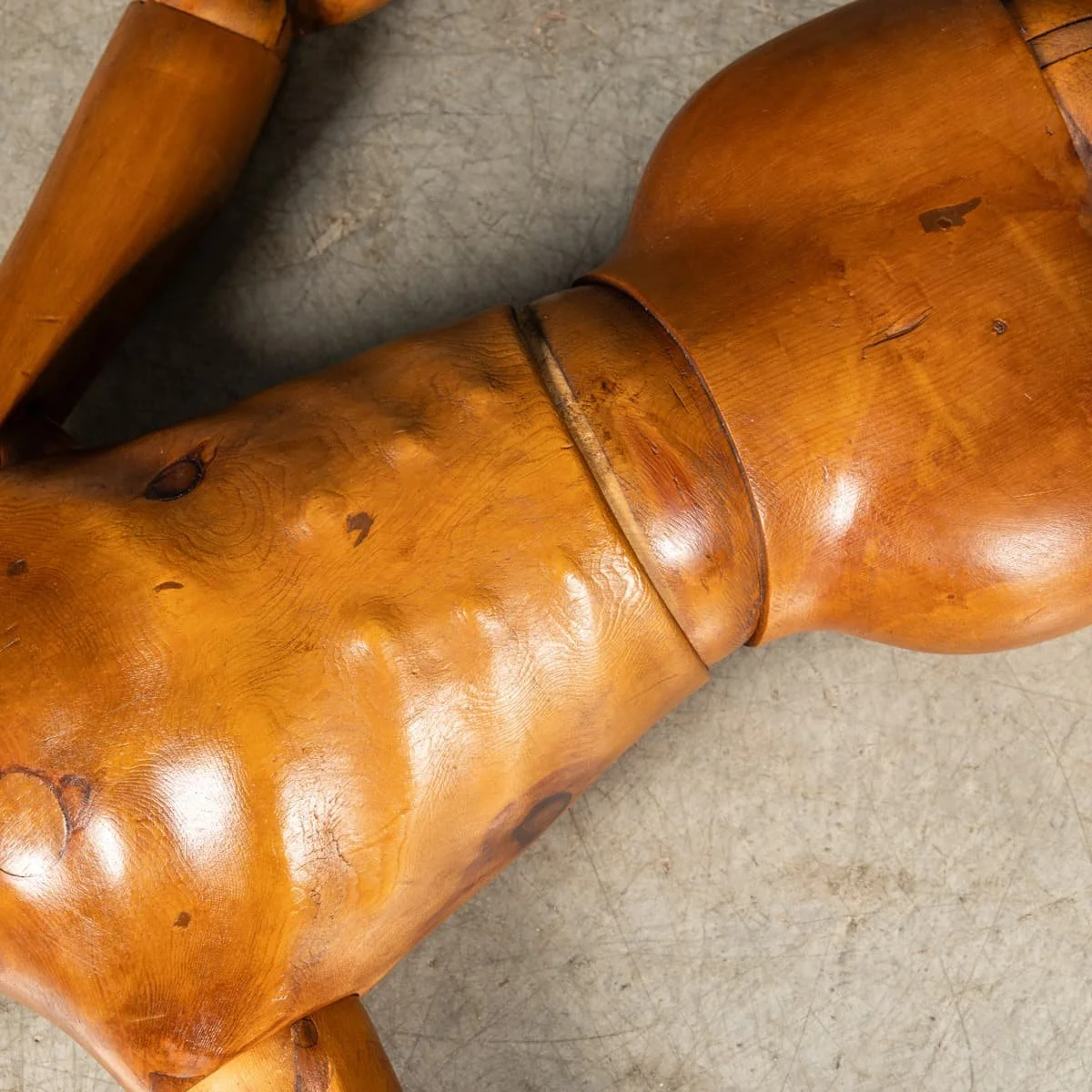
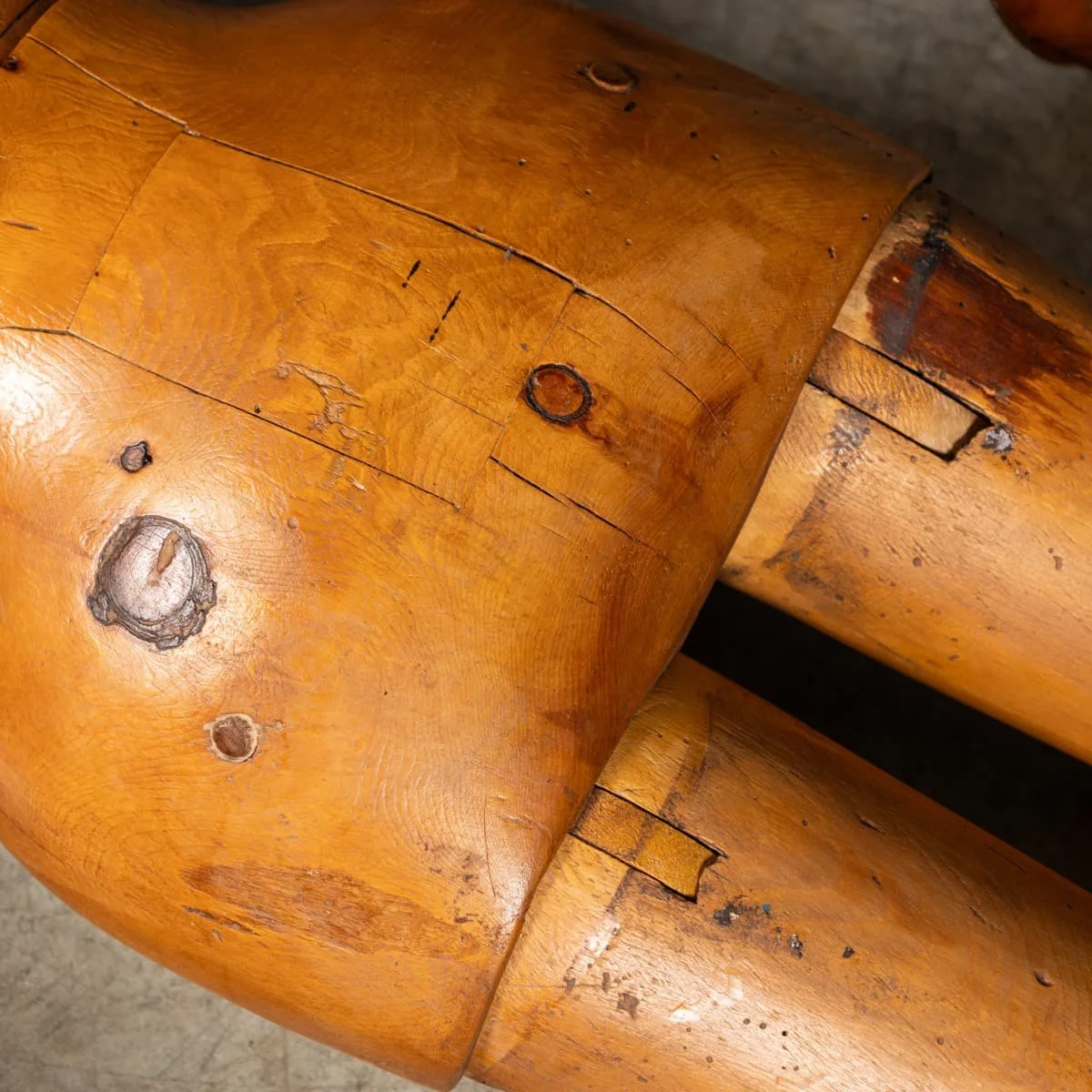
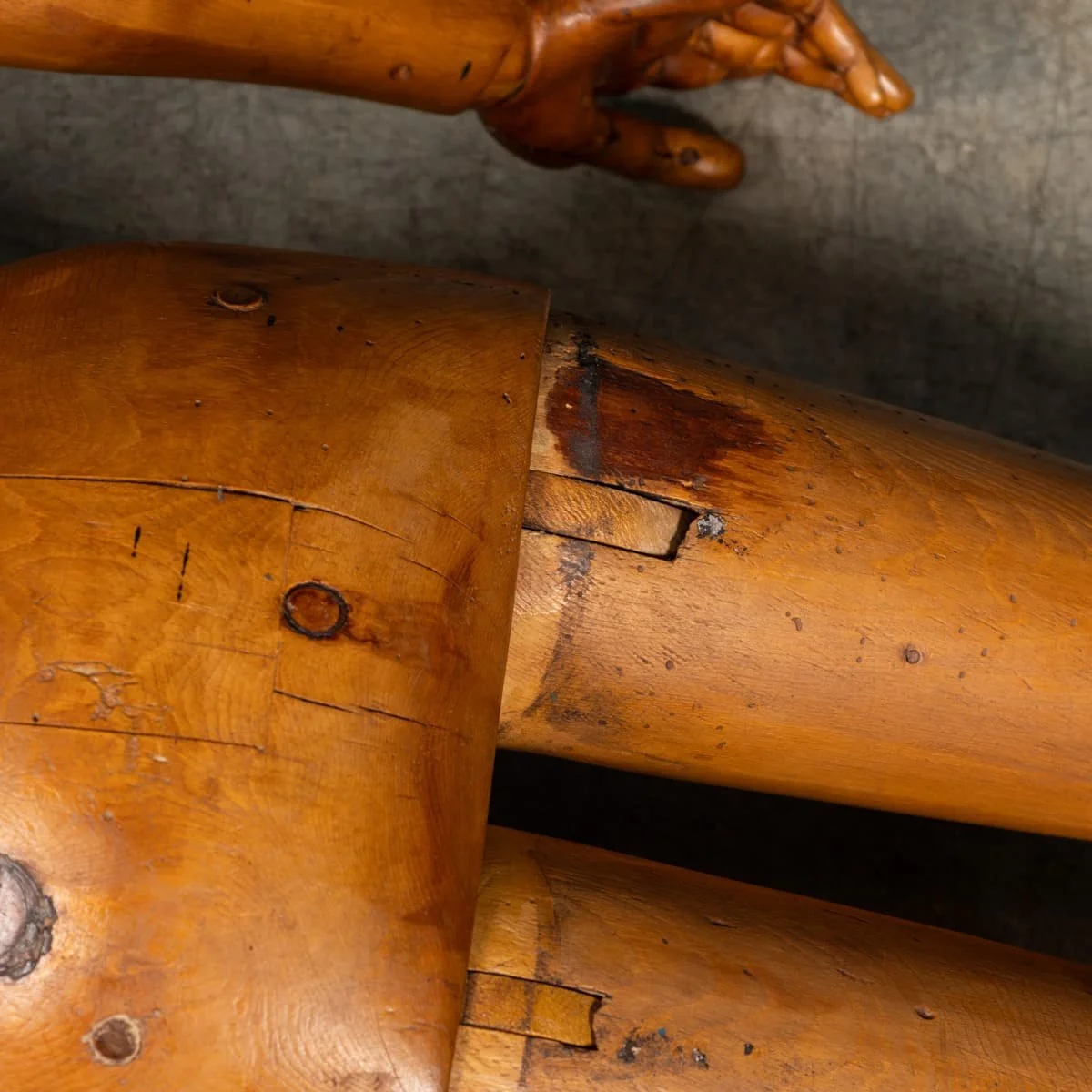
Keenly sought after by collectors, the figures' desirability and rarity is defined by size, quality, condition, antiquity and particularly, the deftness of the carving. This example have some lovely detail on the hands and face, most probably Italian (otherwise French) and carved from walnut. It is extremely rare to find life sized lay figures in such good condition due to heavy use. This one retains all of its original features and has had no restorations over the years. It does have some wear to the little fingers (please see photographs) but considering the age and use of these items it is a very minor defect. The patina and colour are wonderful.
Antique lay figures like this one can still be used today in the same way it was being used 200 years ago but they are more likely to be part of private collections for the aficionados of artist memorabilia, Wunderkammer, or simply as decorative items in modern or period interiors. What is certain is that they create a lot of interest and a certain conversation piece in any collection.
CONDITION
In Good Antique Condition - Age-related wear consistent with use in a working studio environment. Surface marks, minor scuffs and wear commensurate with age. Joints remain functional and articulate as intended.
SIZE
Height: 165 cm // 64.96 inches
Width: 40 cm // 15.75 inches
Depth: 20 cm // 7.87 inches