Image 1 of 41
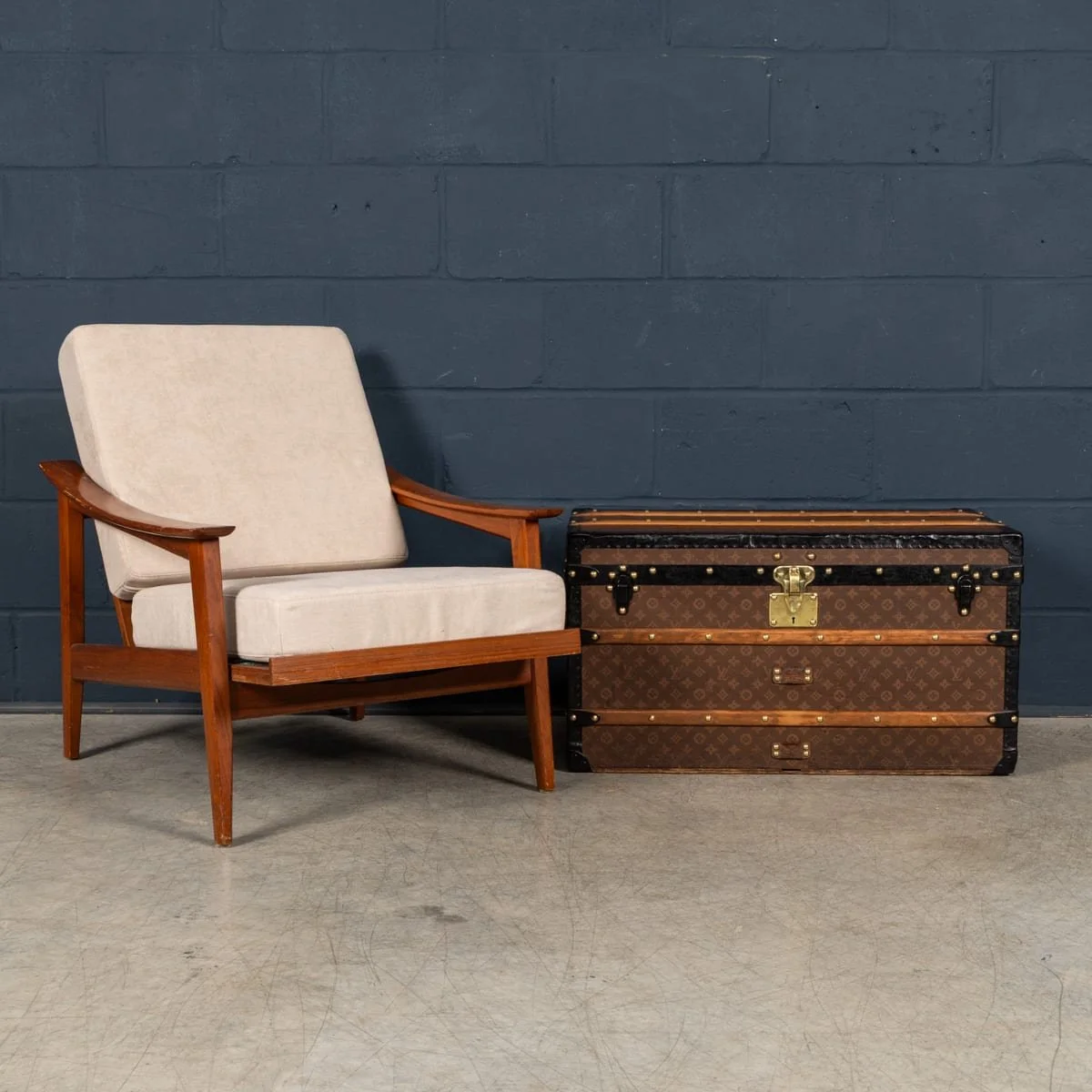 Image 2 of 41
 Image 3 of 41
 Image 4 of 41
 Image 5 of 41
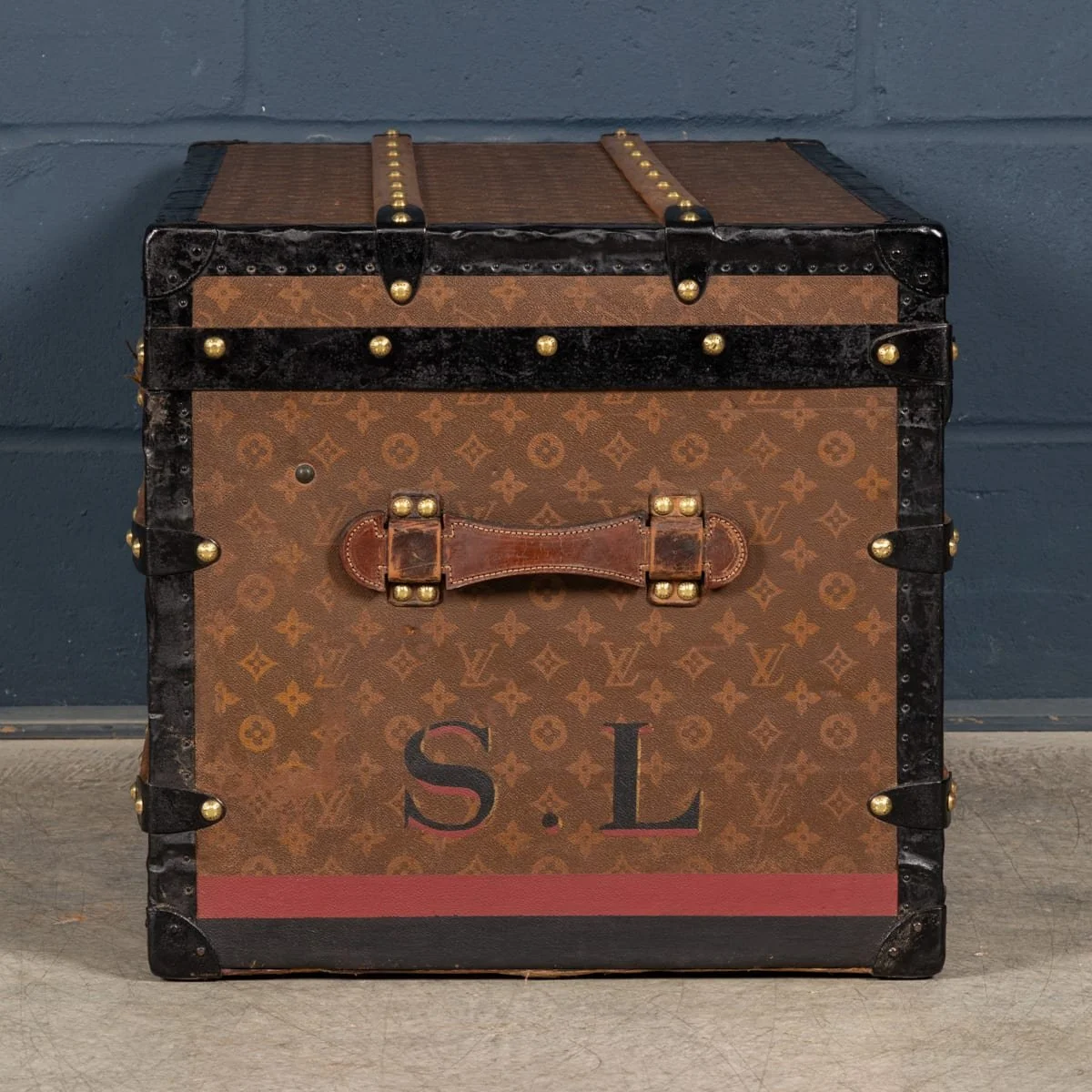 Image 6 of 41
 Image 7 of 41
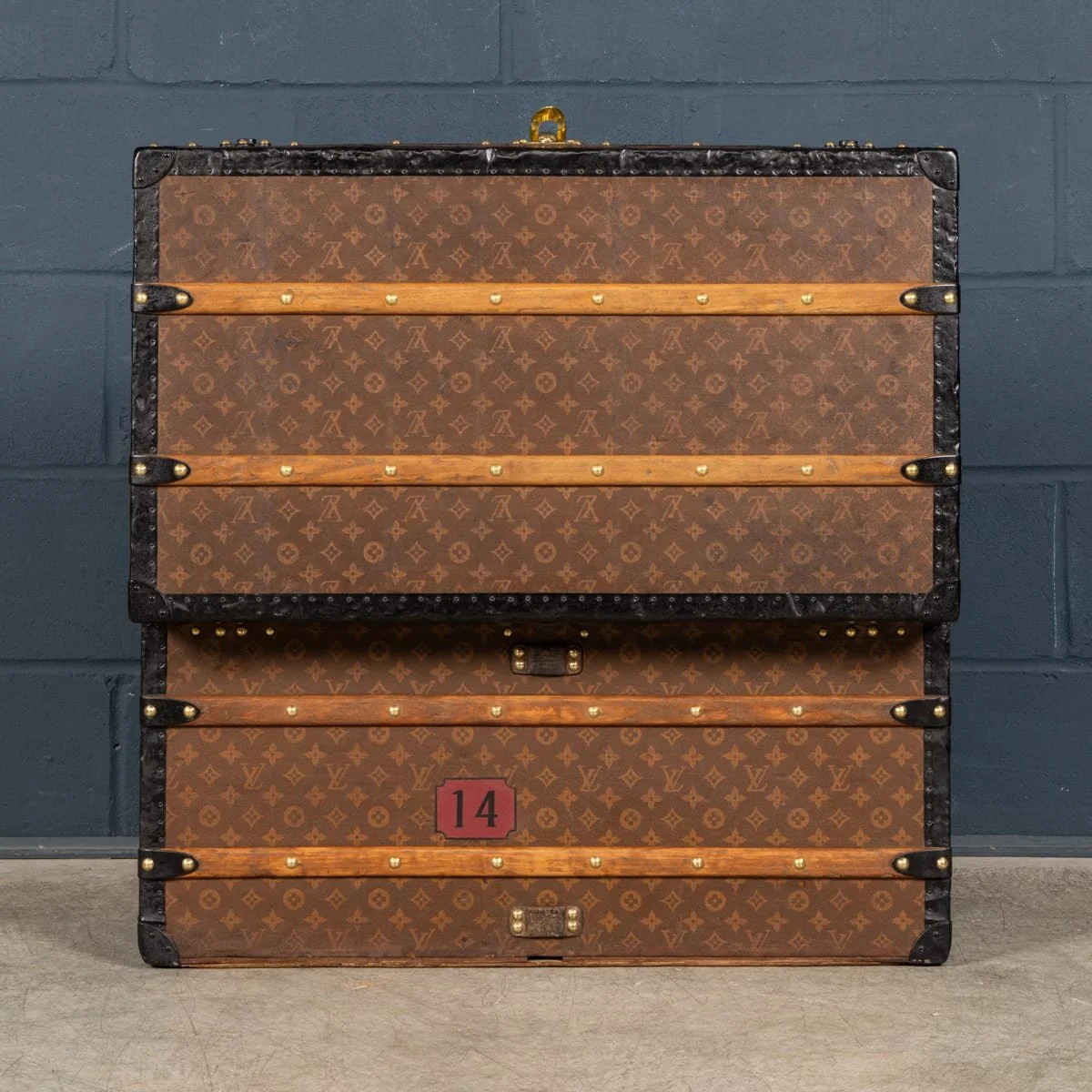 Image 8 of 41
 Image 9 of 41
 Image 10 of 41
 Image 11 of 41
 Image 12 of 41
 Image 13 of 41
 Image 14 of 41
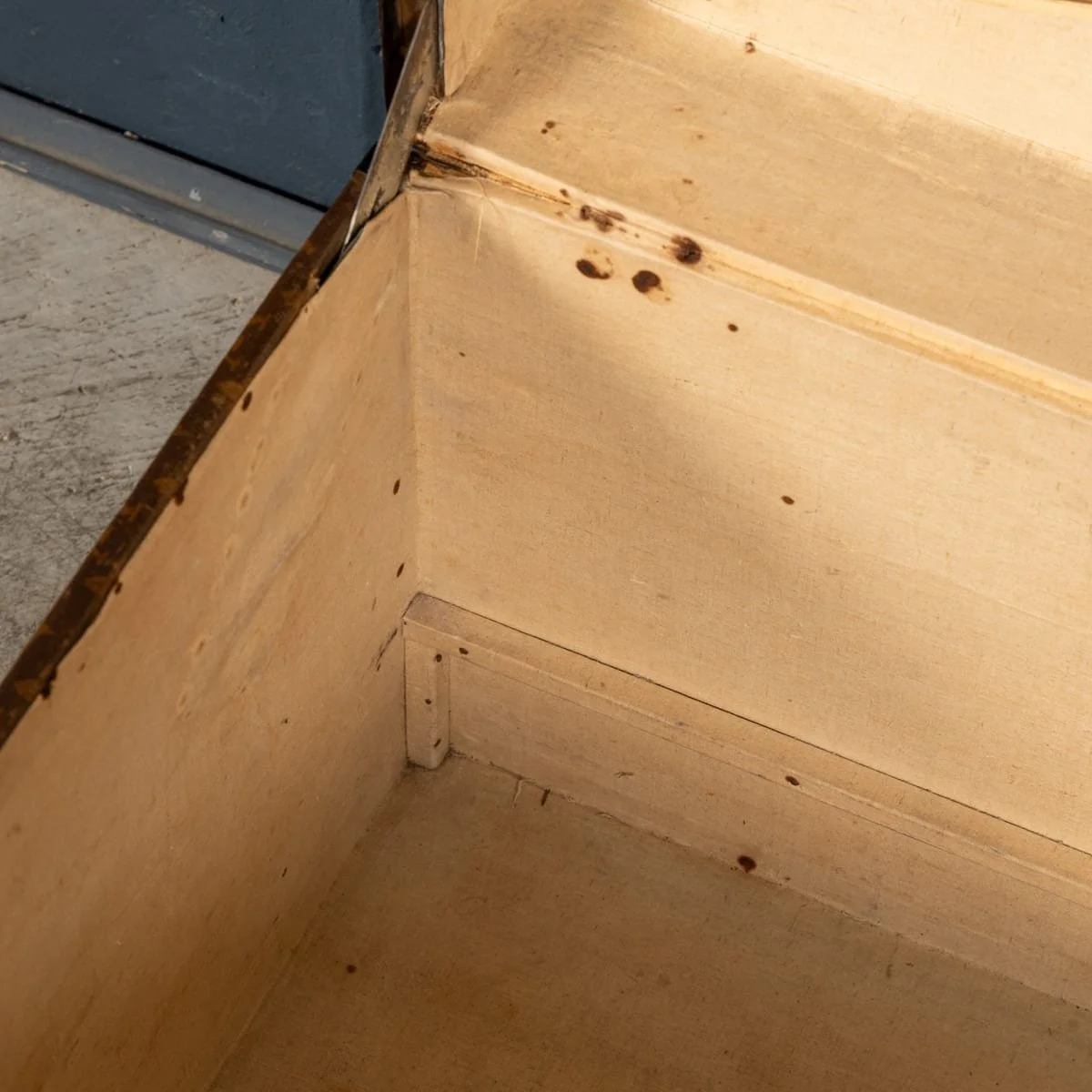 Image 15 of 41
 Image 16 of 41
 Image 17 of 41
 Image 18 of 41
 Image 19 of 41
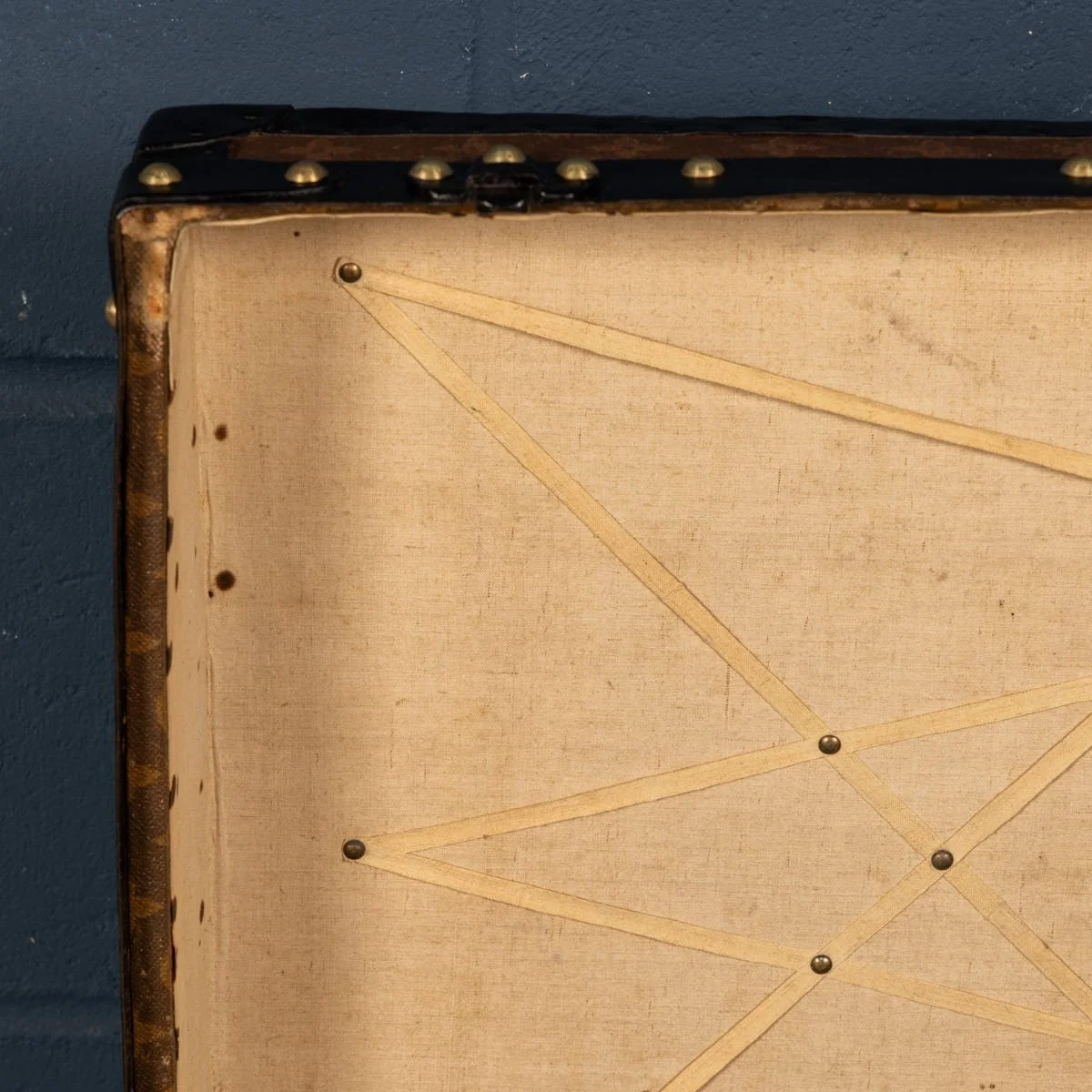 Image 20 of 41
 Image 21 of 41
 Image 22 of 41
 Image 23 of 41
 Image 24 of 41
 Image 25 of 41
 Image 26 of 41
 Image 27 of 41
 Image 28 of 41
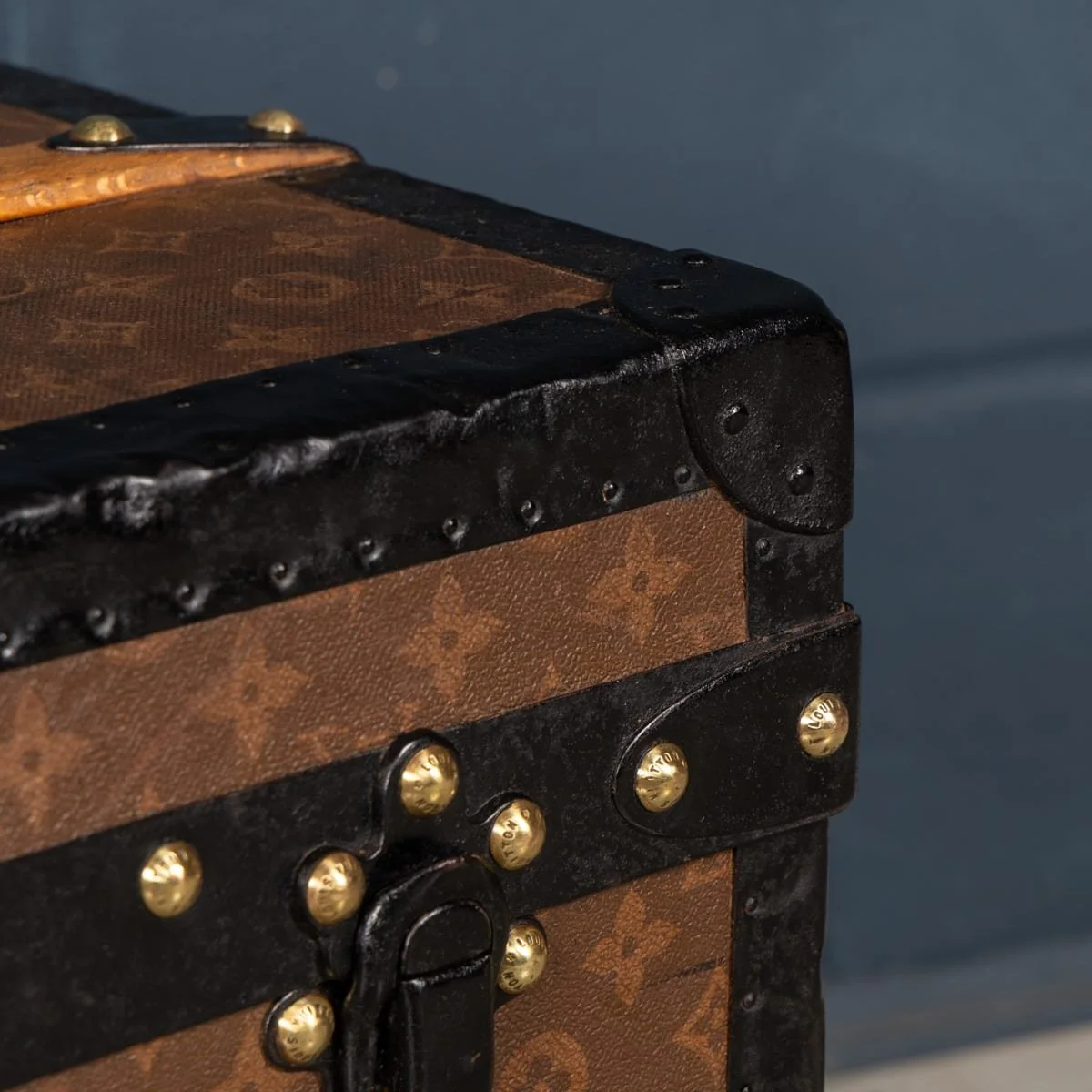 Image 29 of 41
 Image 30 of 41
 Image 31 of 41
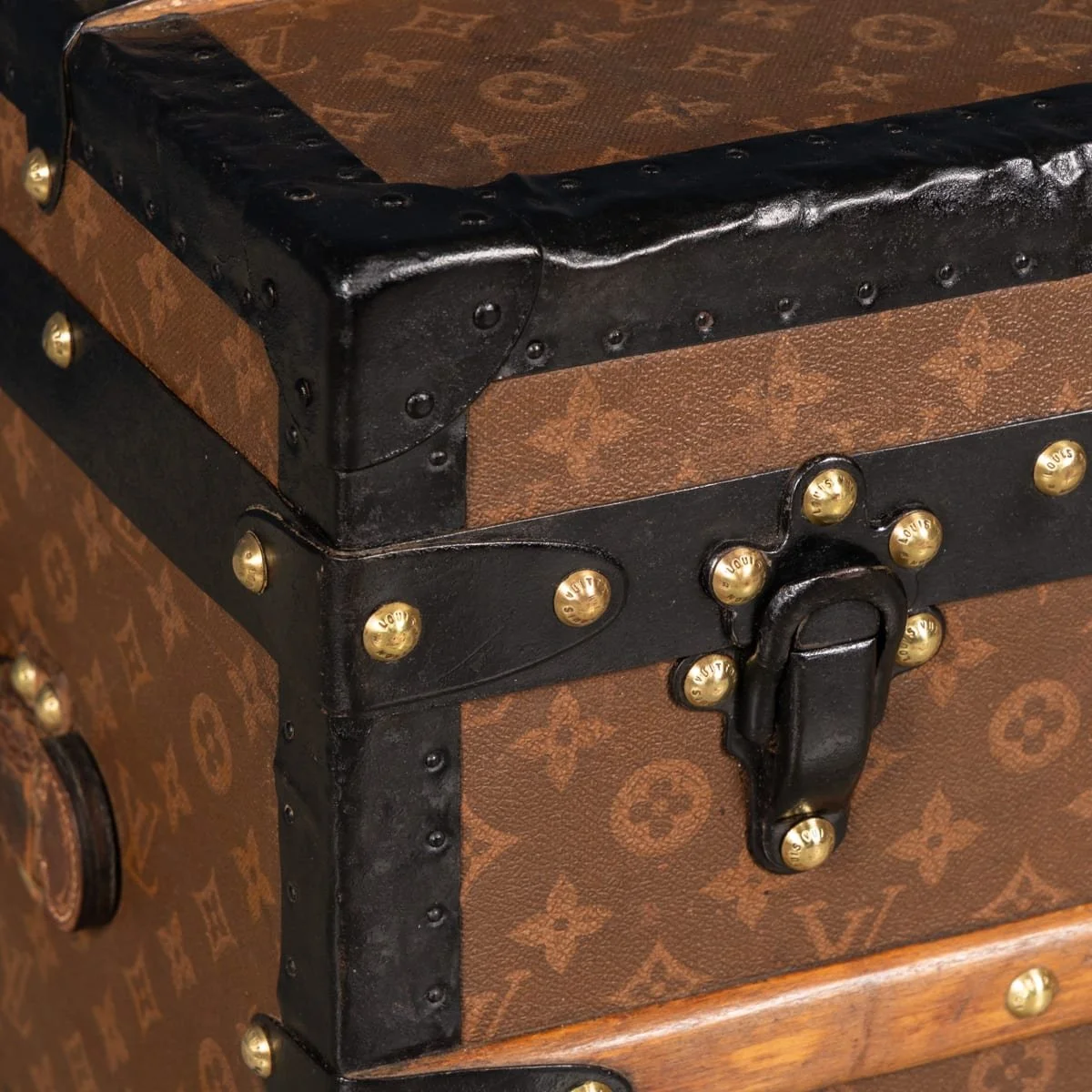 Image 32 of 41
 Image 33 of 41
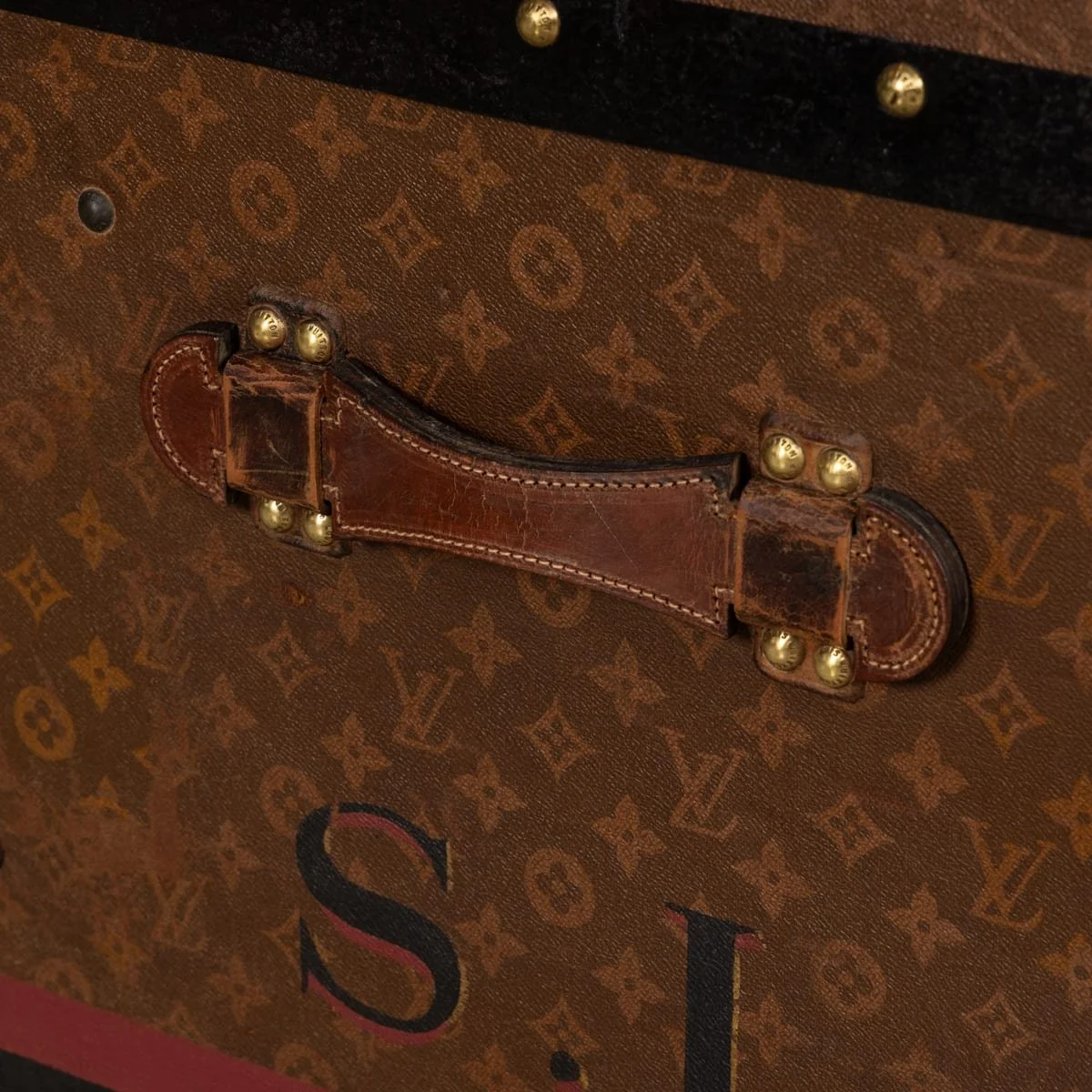 Image 34 of 41
 Image 35 of 41
 Image 36 of 41
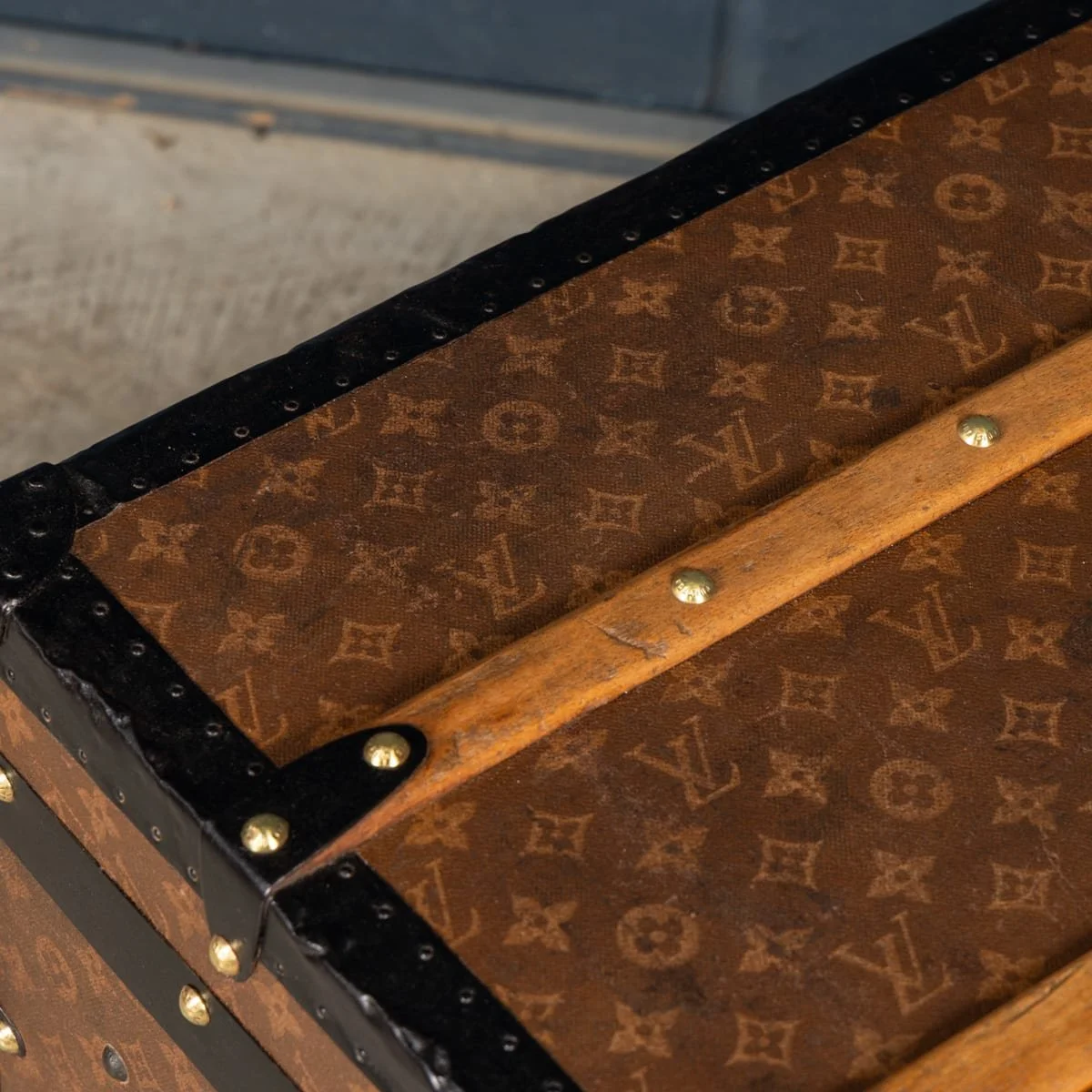 Image 37 of 41
 Image 38 of 41
 Image 39 of 41
 Image 40 of 41
 Image 41 of 41
ADDITIONAL INFORMATION
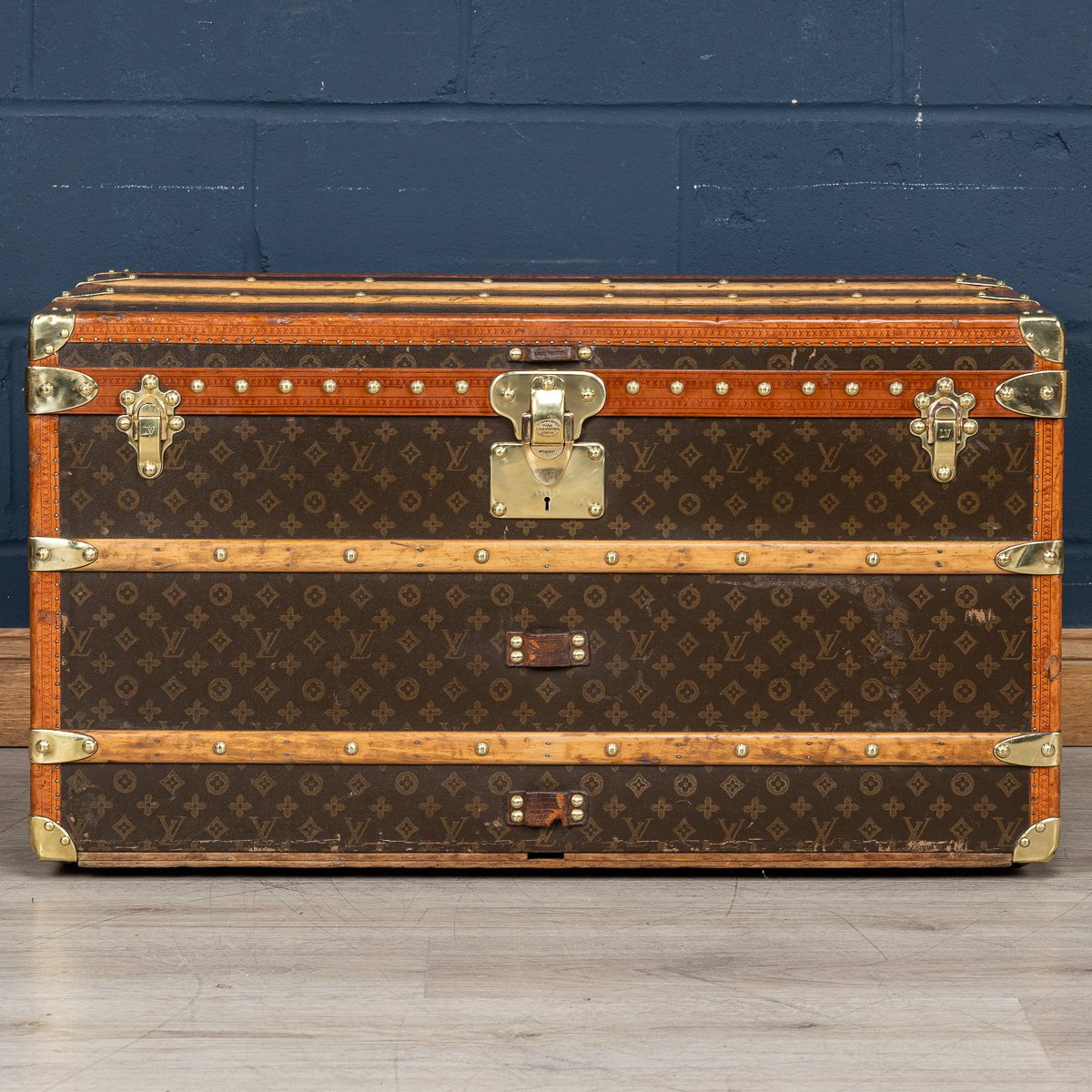
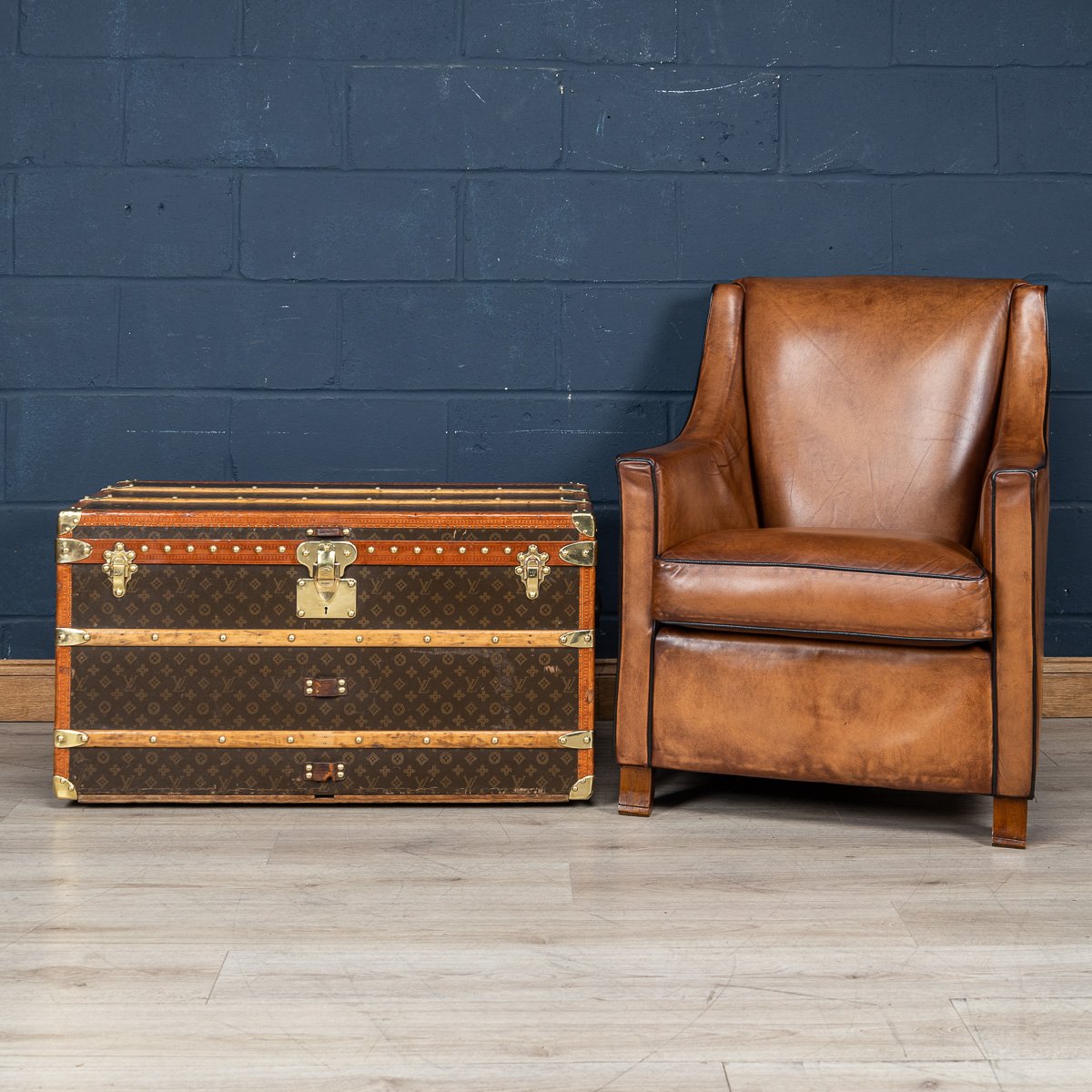
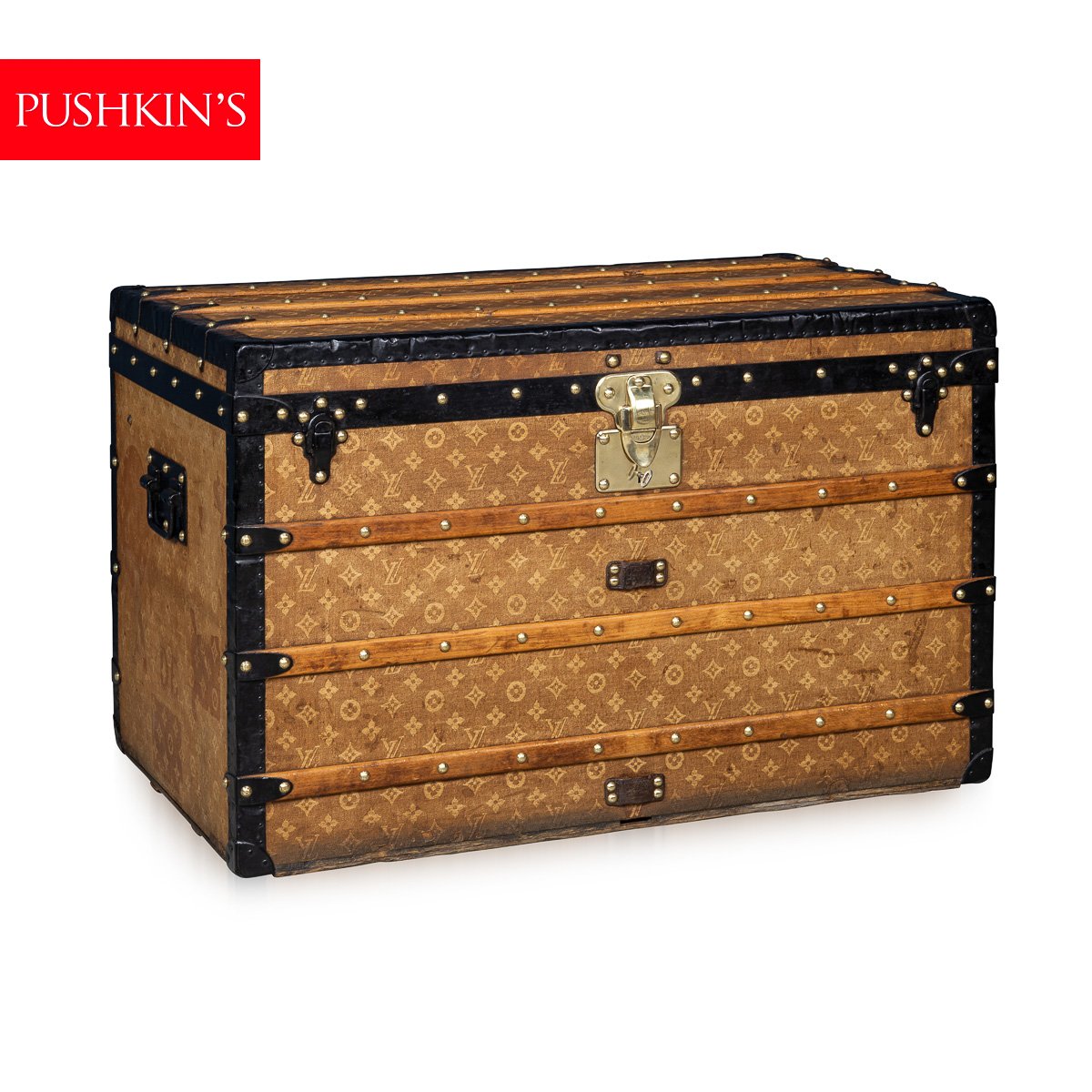
The captivating allure of the Louis Vuitton trunk transforms it into more than a mere luggage accessory; it becomes a focal point for any room. With its impressive dimensions, it is perfectly suited as a striking coffee table, side table, or even as a standalone centrepiece, seamlessly integrating into any interior, whether modern or traditional. An extraordinary piece that not only pays homage to the past but also serves as a statement of unparalleled luxury in the present.
A brief history about Louis Vuitton trunks: Louis Vuitton was born in 1821 to a farmer and milliner and came from a long-established working-class family in eastern France. Vuitton grew up understanding the effects of perseverance and a strong work ethic from watching his family. At the age of 16, he made the decision to walk 292 miles from his hometown to Paris to try and make a new life for himself. When he arrived the city was in the midst of industrialization with current modes of transportation evolving quickly allowing for longer journeys. With this came the need for sturdy travel pieces.
Vuitton was taken as an apprentice for a successful box maker and packer named Monsieur Marechal. He learned to craft durable containers and how to pack them properly – a well-respected profession at the time. In 1854, years after he had mastered his craft and became well respected for it, Vuitton ventured out on his own to open a shop on Rue Neuve des Capucines. It was here that he began to establish himself as a luggage maker. Then, in 1858, Vuitton designed the first Louis Vuitton steamer trunk. At the time trunks had rounded tops to allow for water to run off but this did not allow for convenient stowage. Vuitton introduced a flat, yet waterproof, trunk that was easily stackable. The first of his trunks were outfitted with a grey canvas referred to as Trianon – it wouldn’t be until several decades later that the signature monogram would be introduced.
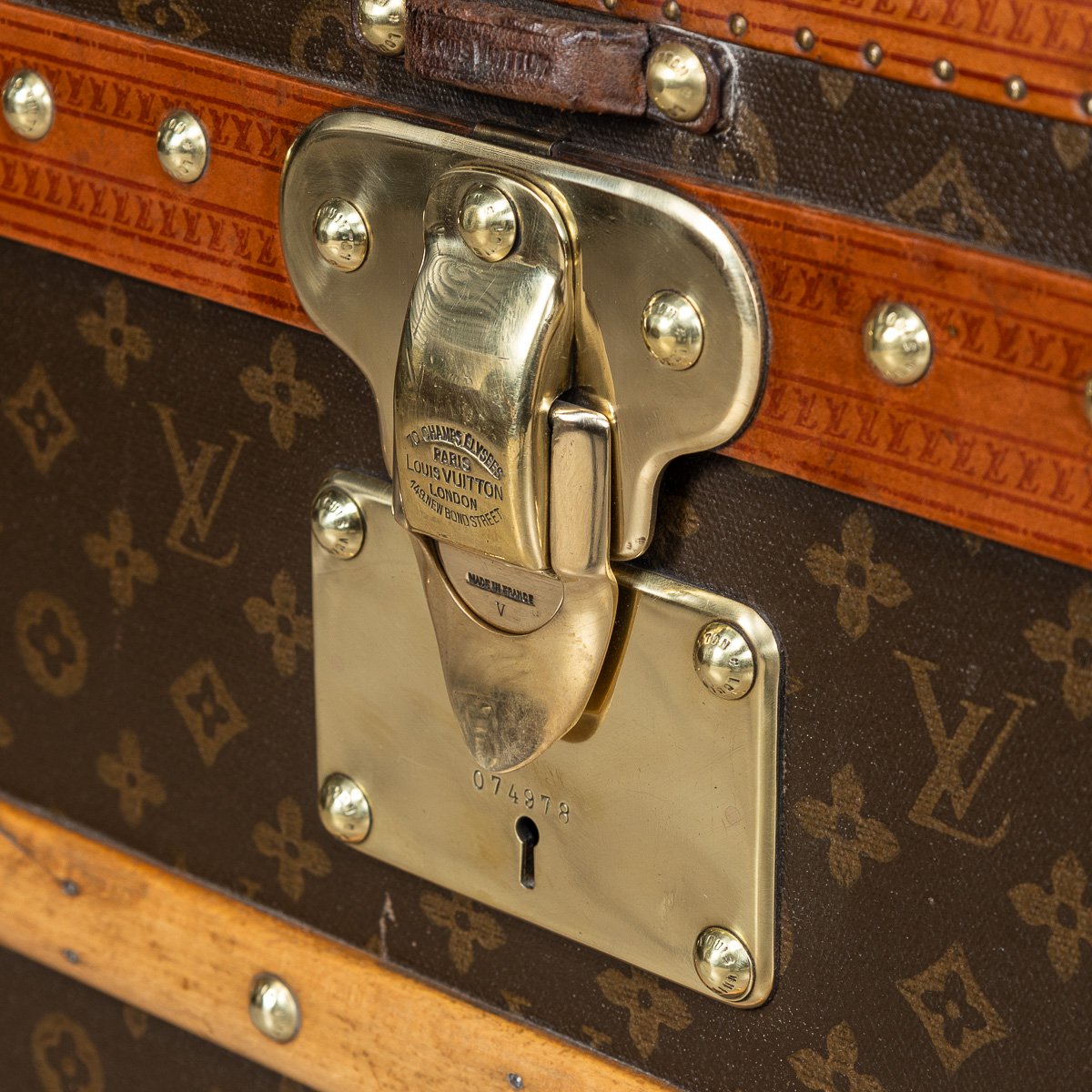
With a burgeoning business, Vuitton moved his family and workplace to Asniere, where he employed twenty workers to craft his trunks. By 1900 he would have 100 employees, and in 1914 the company would more than double in size. After years of success, Vuitton began to experiment with the design of his luggage by introducing a new striped canvas pattern (1876) and later the still well-known Damier print (1888). The hand-painted patterns were developed to prevent counterfeits. Even in the late 1800s, Louis Vuitton was enough of a status symbol to warrant counterfeiting. In 1886, his son George invented and patented an ingenious locking system that made it impossible to pick the lock of their trunks. This lock is still used today.
1892 would prove to be a time of mourning for the family as Louis Vuitton passed away at the age of 70. His son, Georges Vuitton, became the new head of the luxury house. Louis Vuitton’s passing would prompt his son to once again change the print of their luggage, and in 1896, to honour his father, the signature LV monogram was introduced and patterned with LVs, quatrefoils, and flowers. Under his direction success followed and the iconic monogram rose to fame among elite clientele.
CONDITION
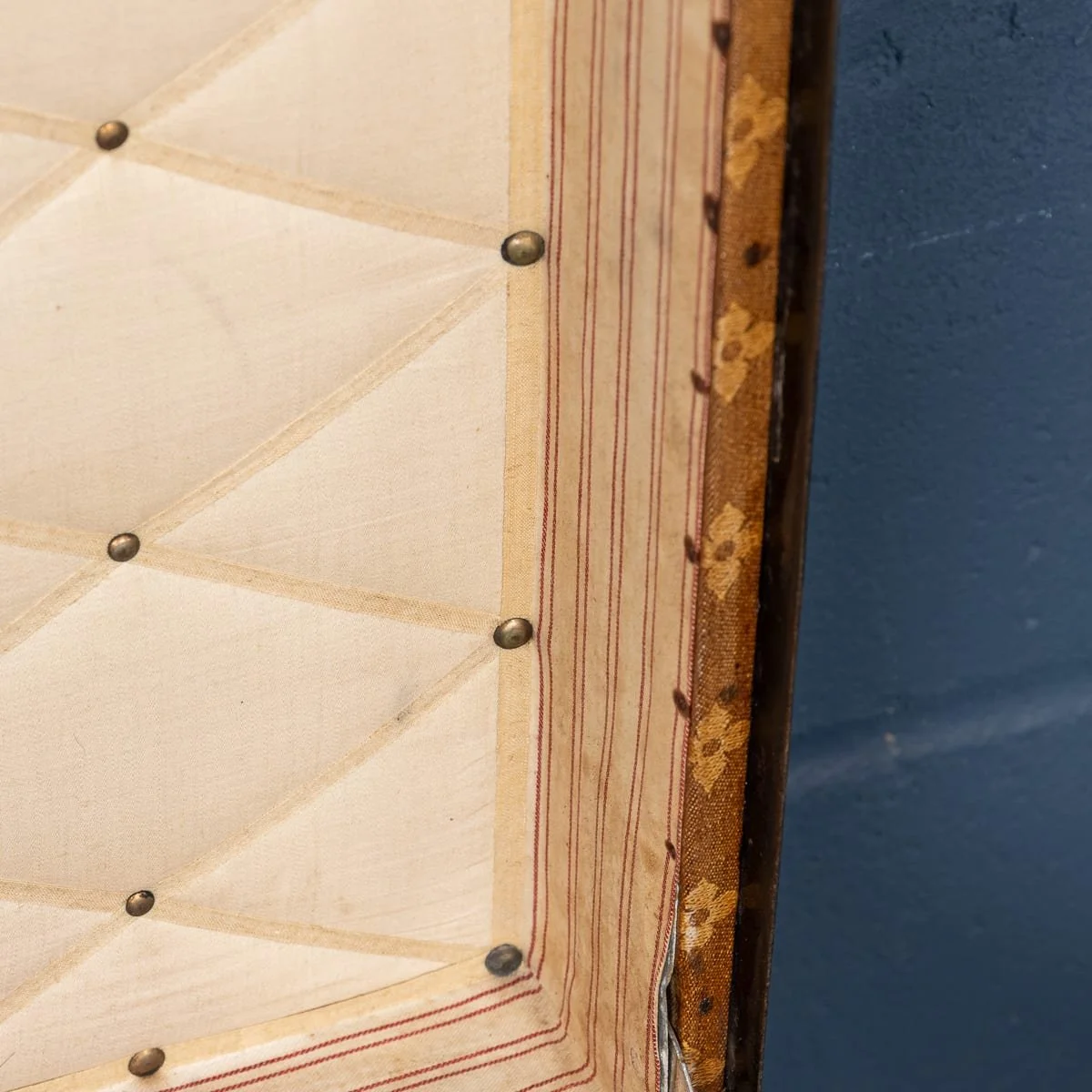
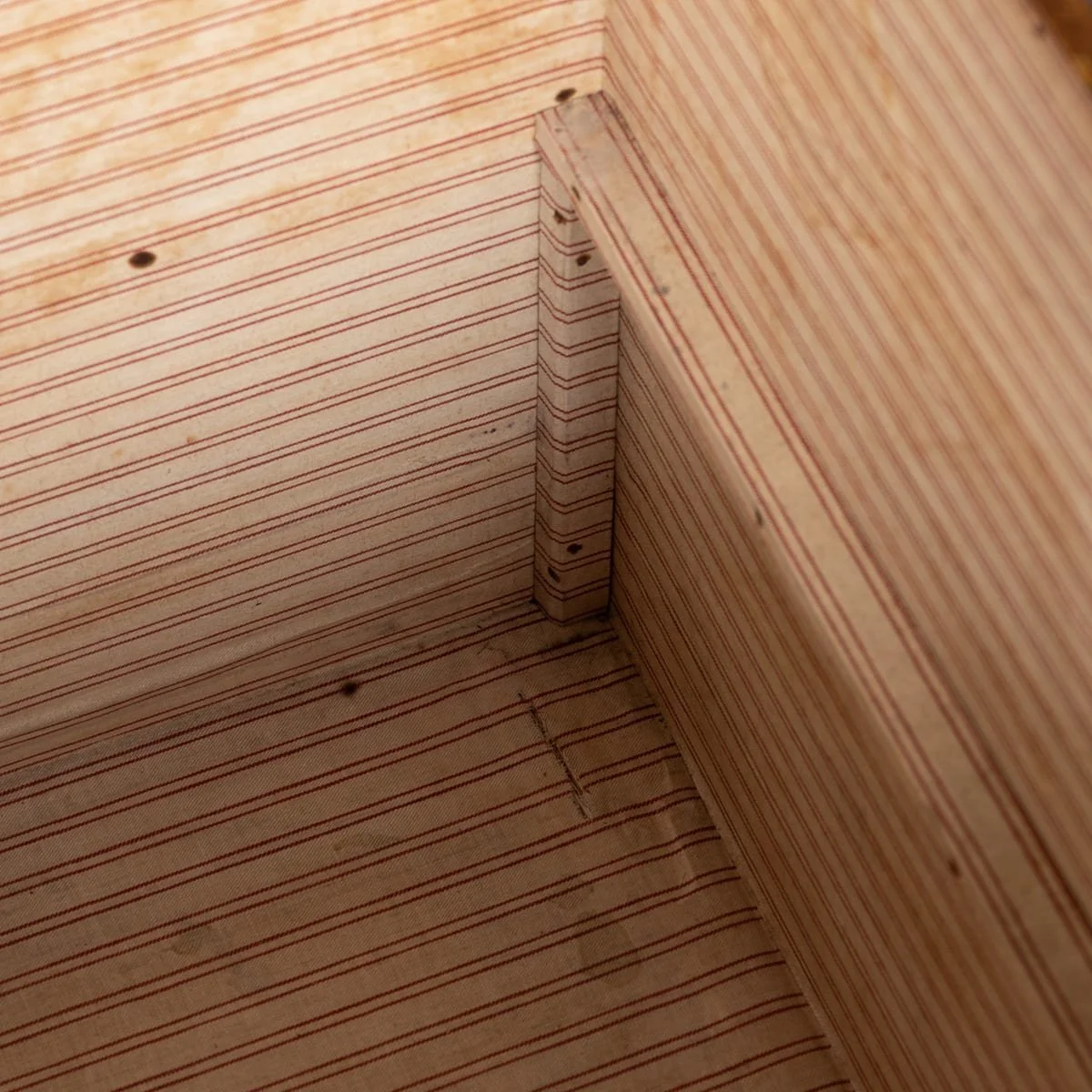
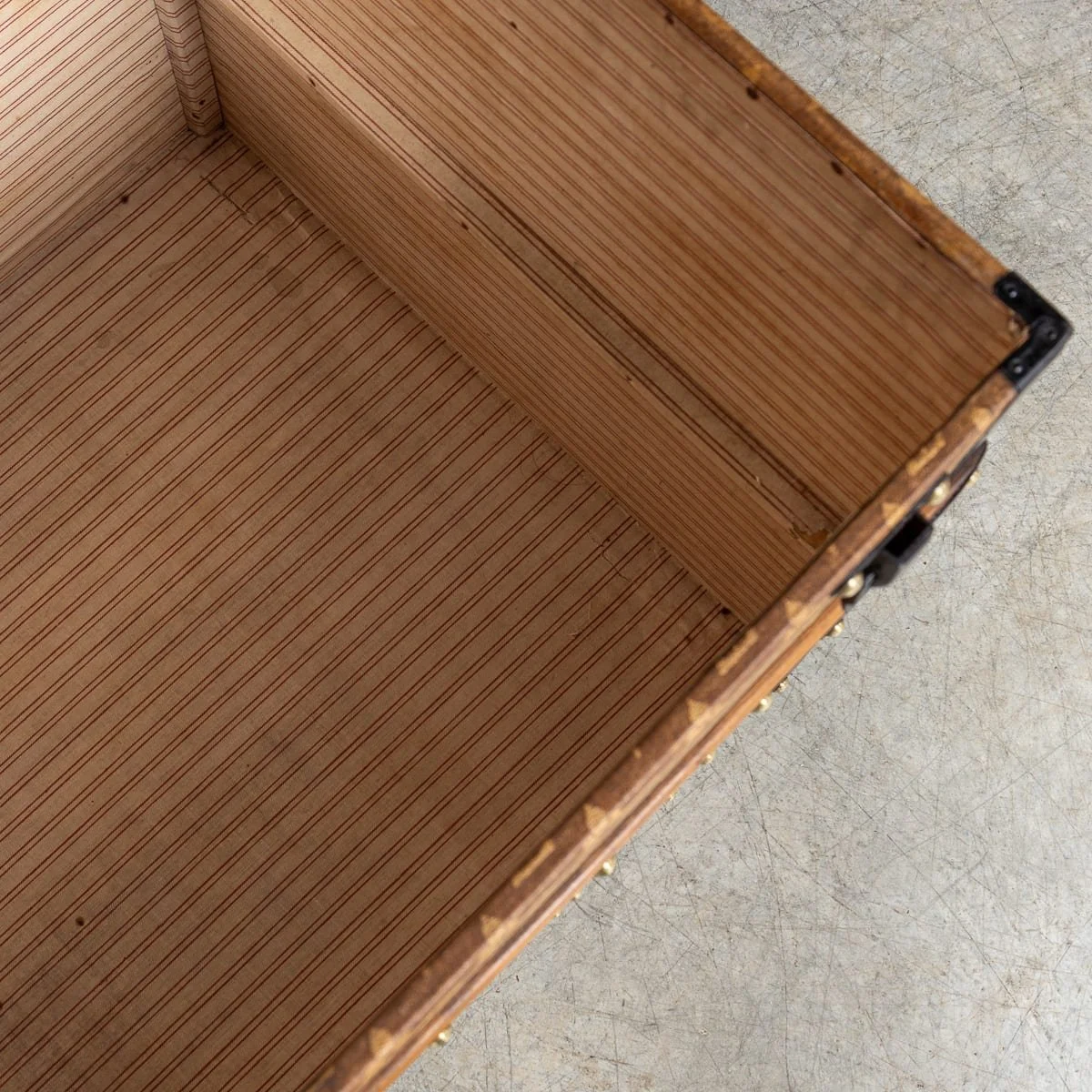
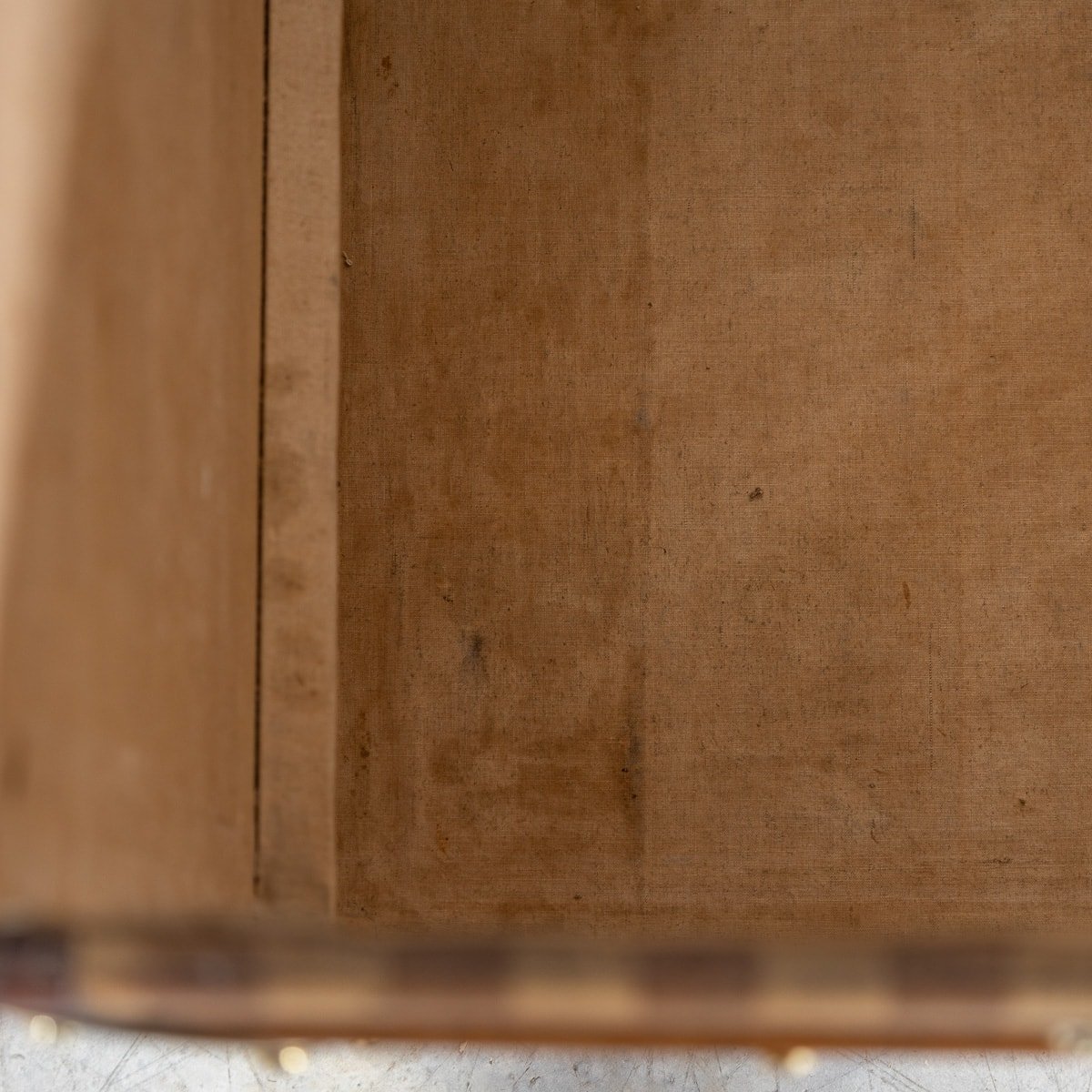
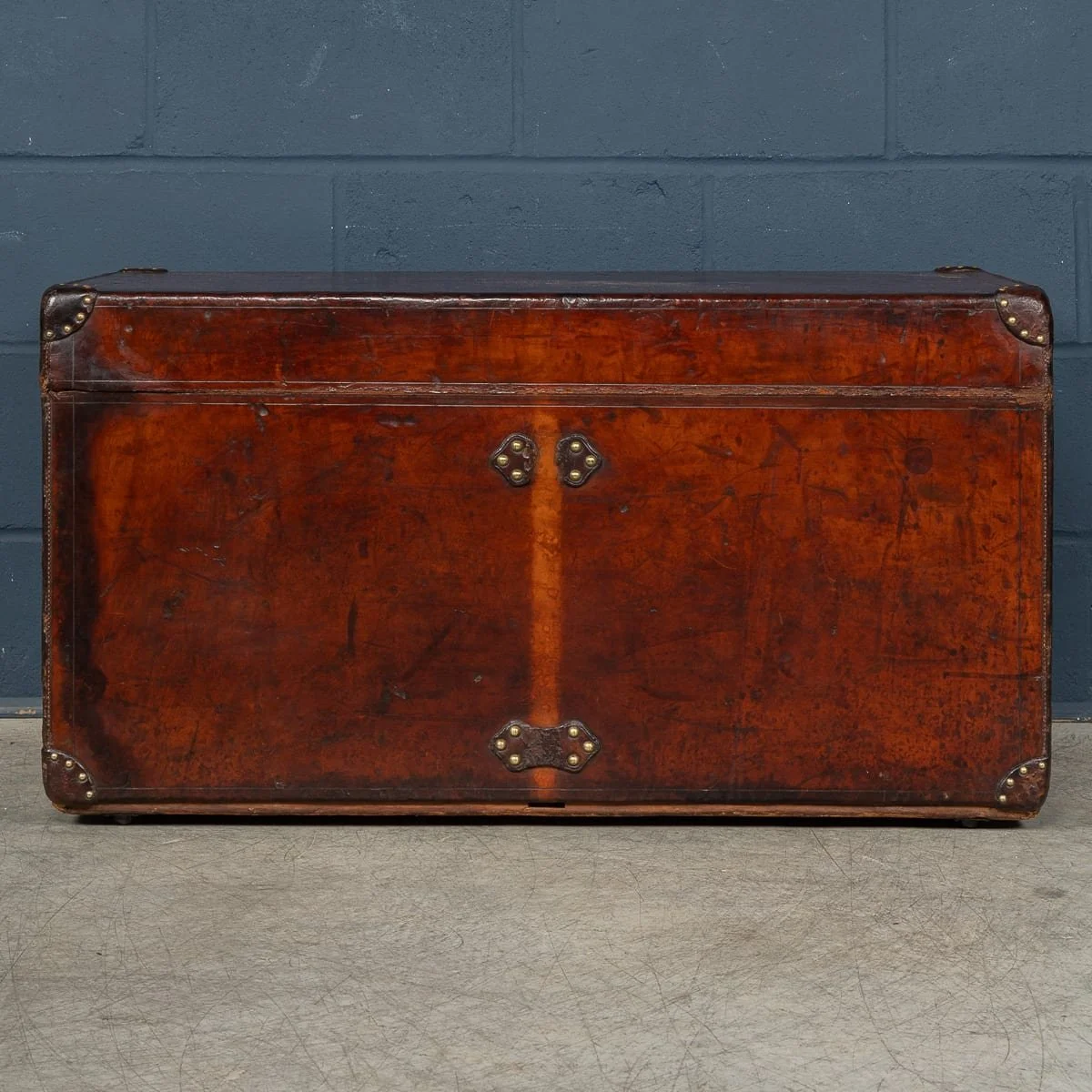
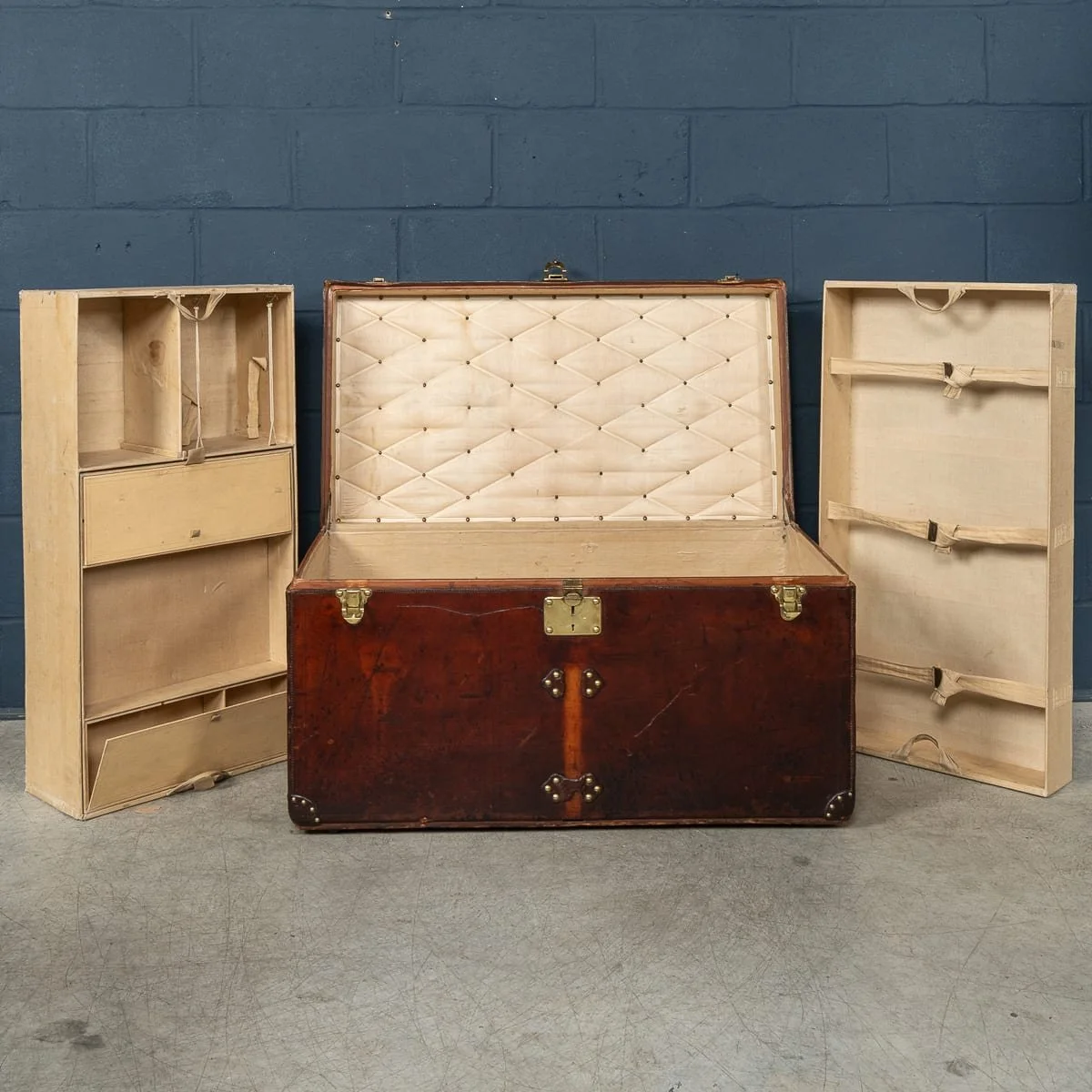
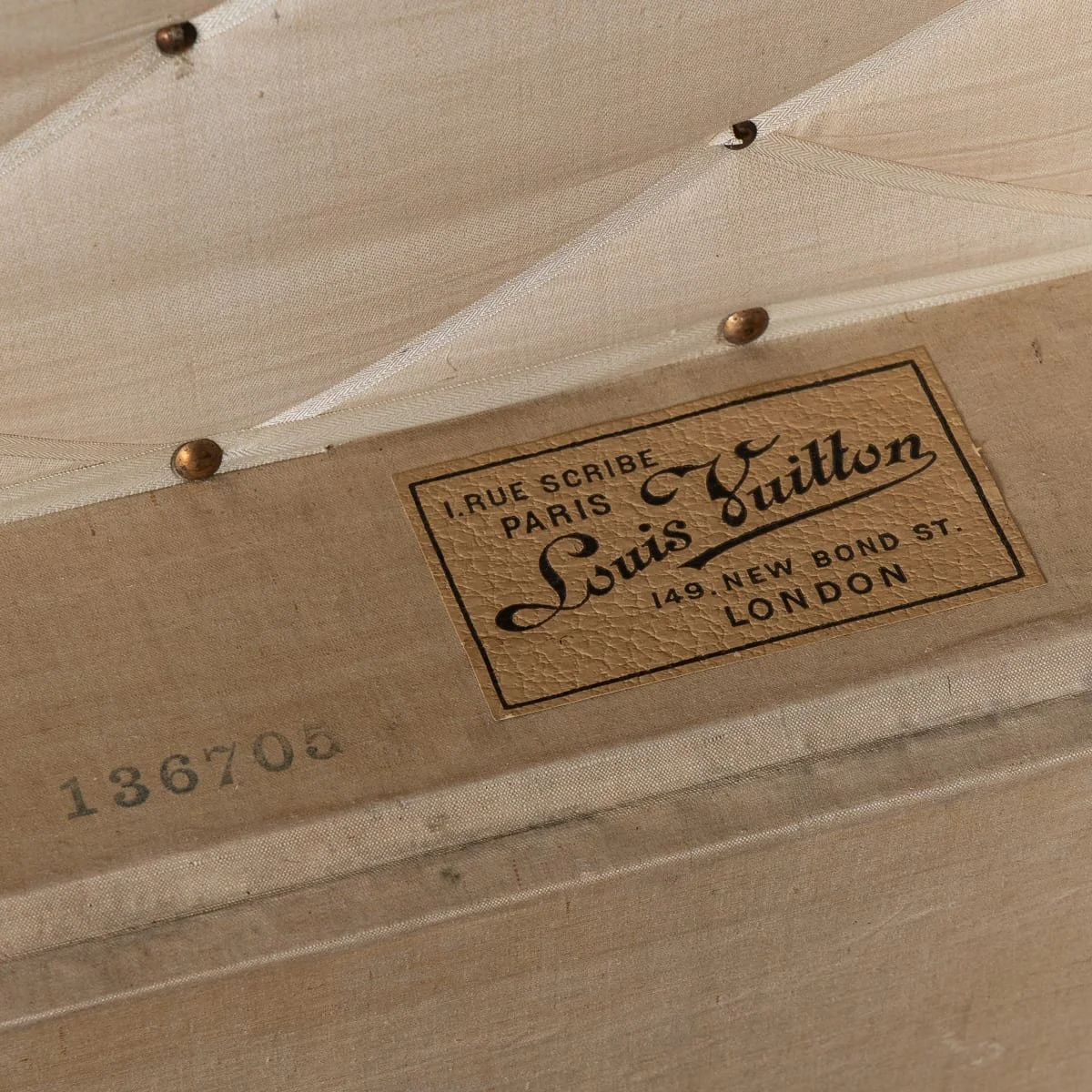
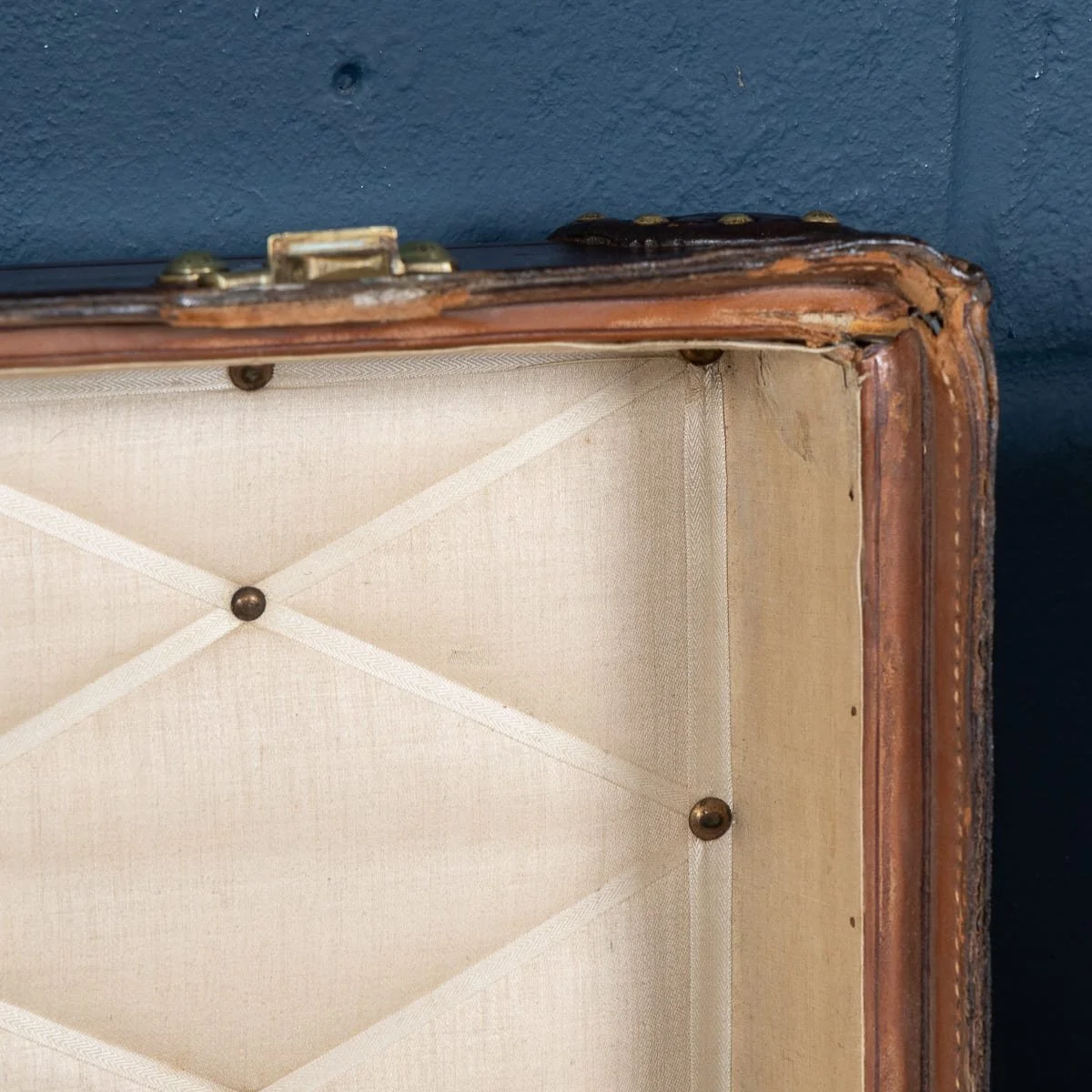
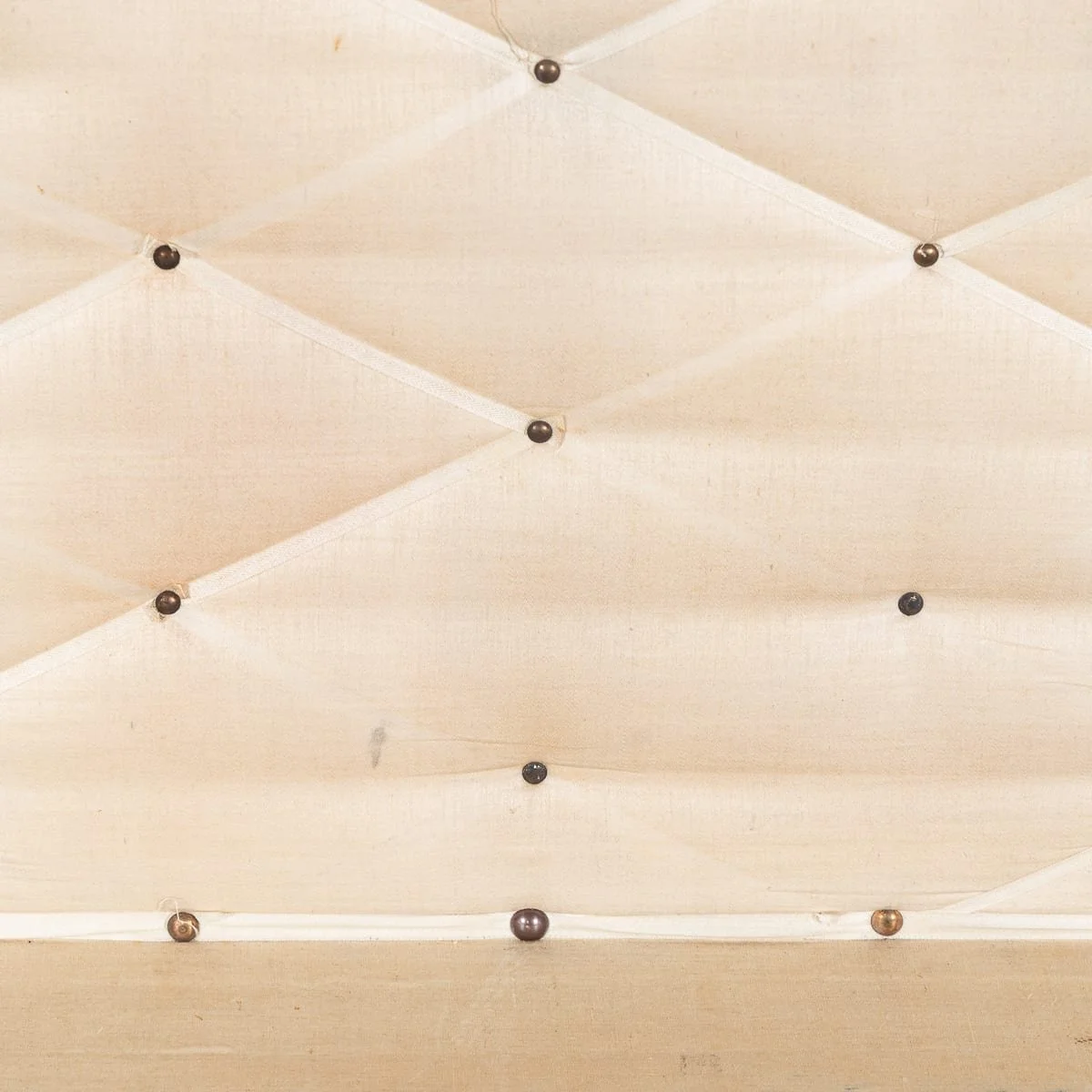
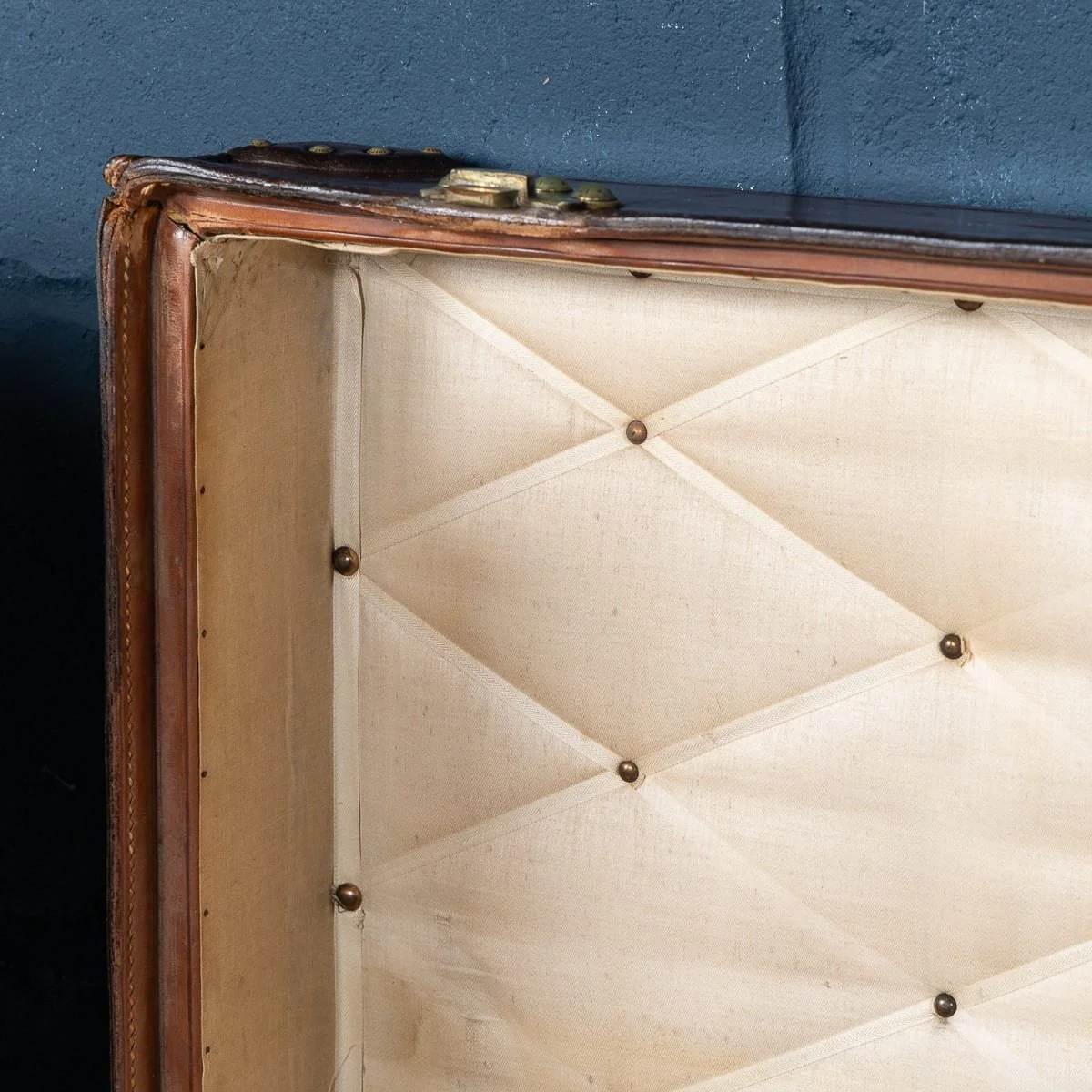
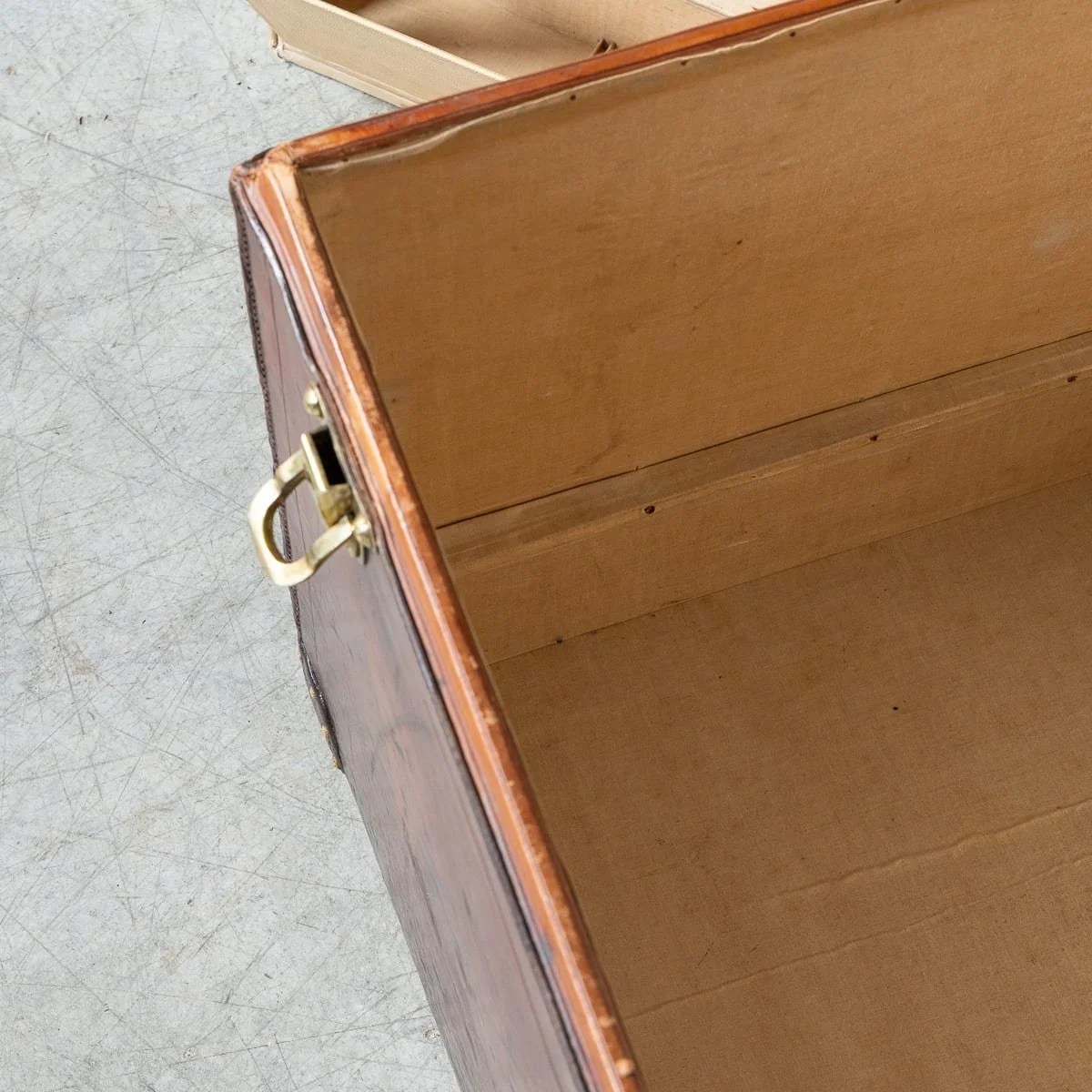
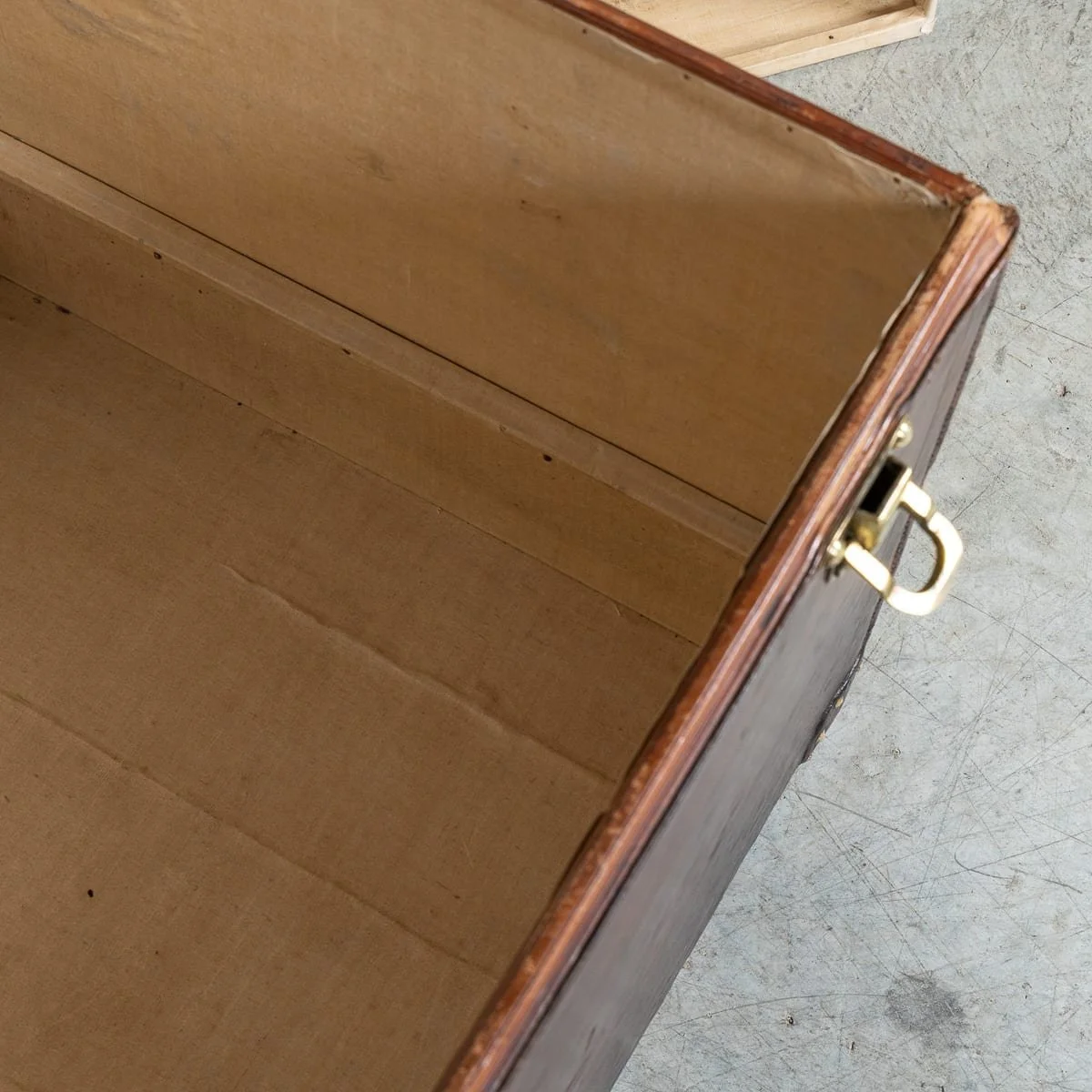
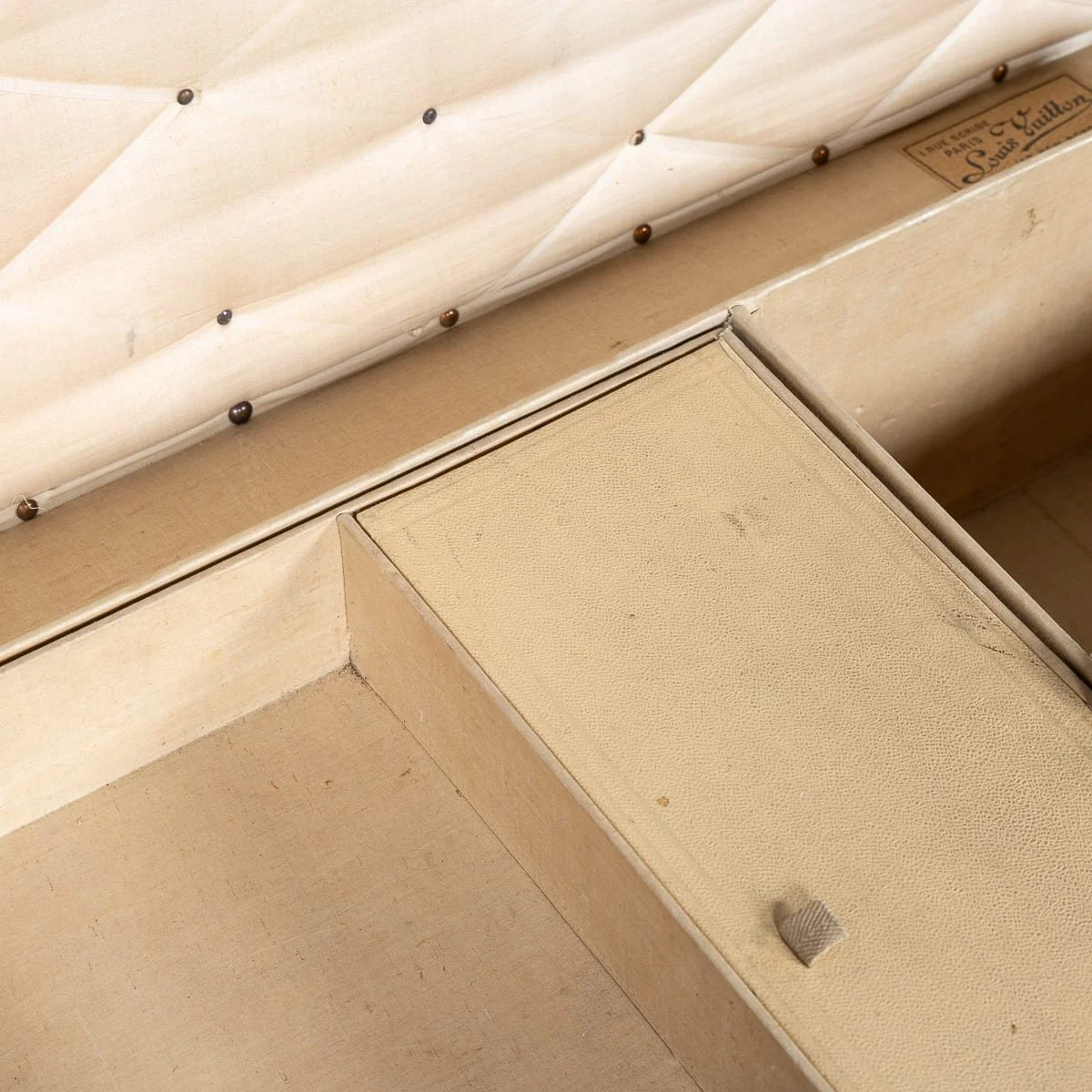
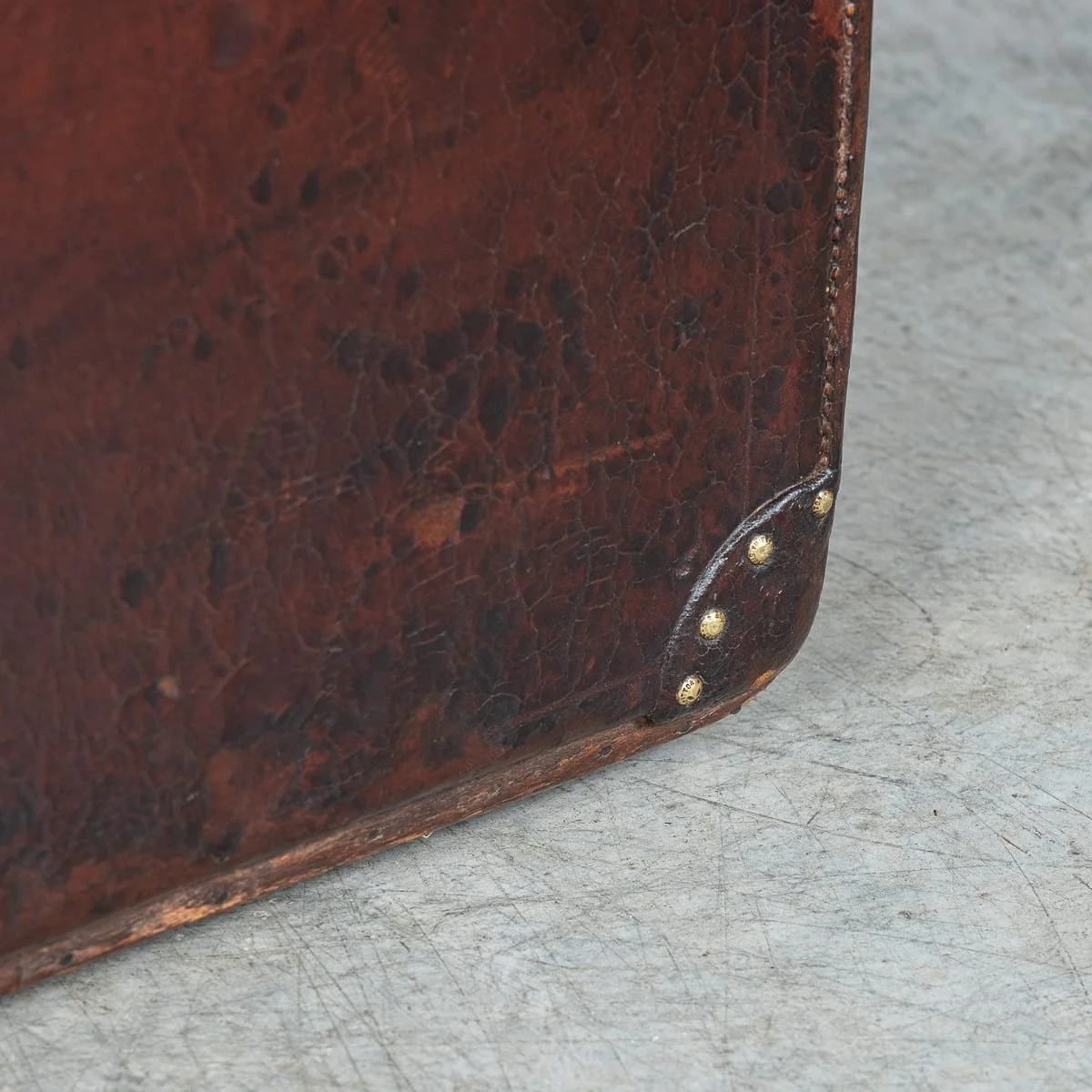
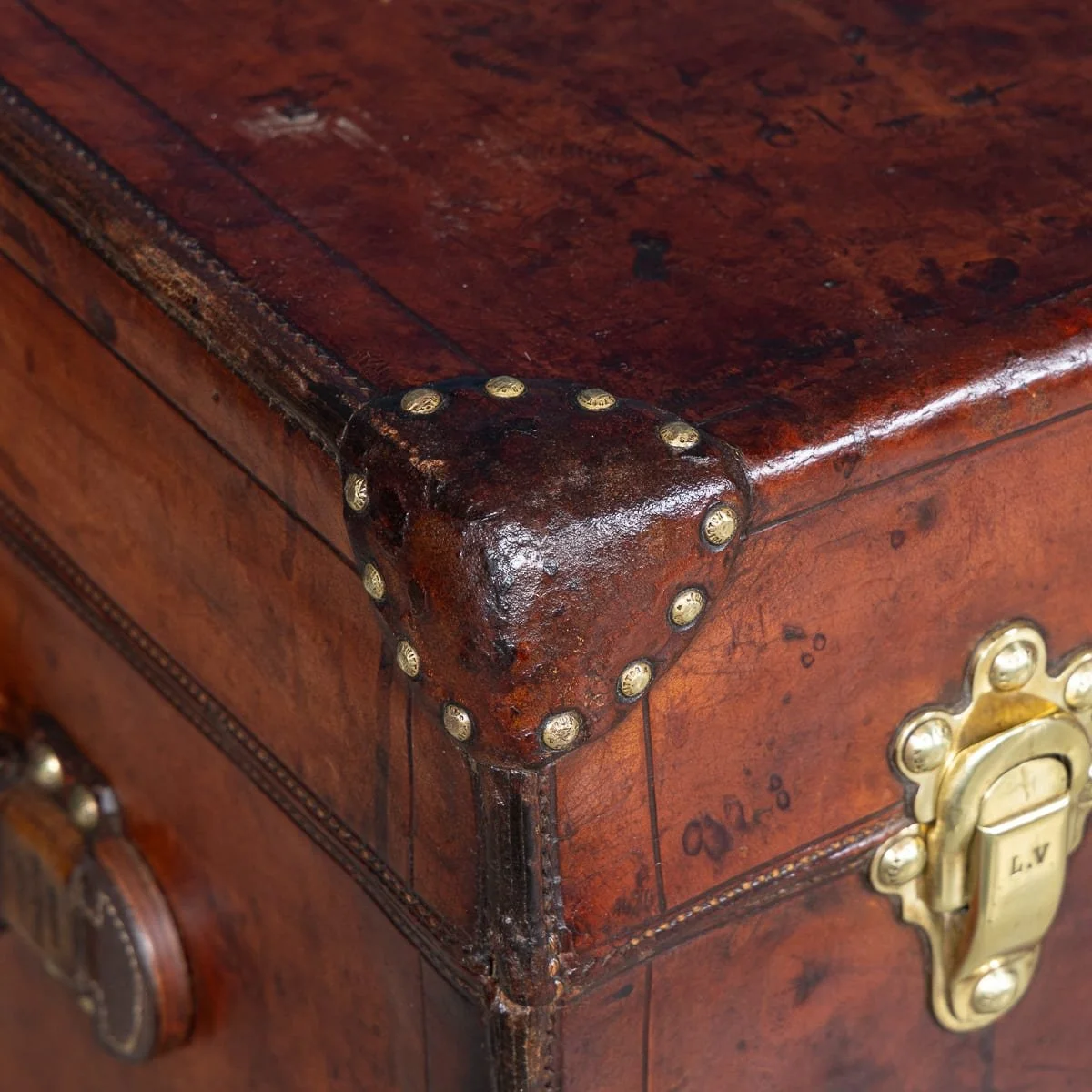
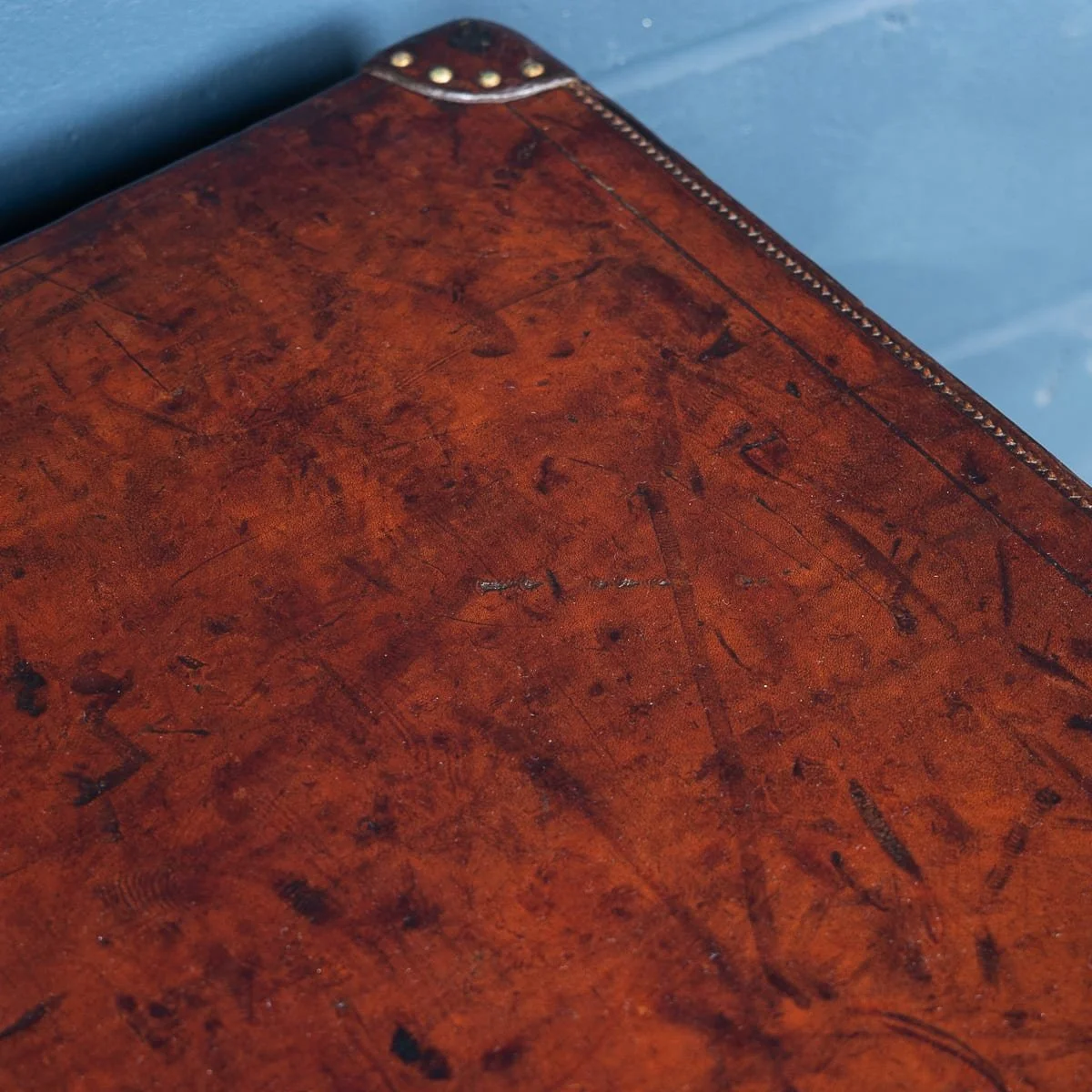
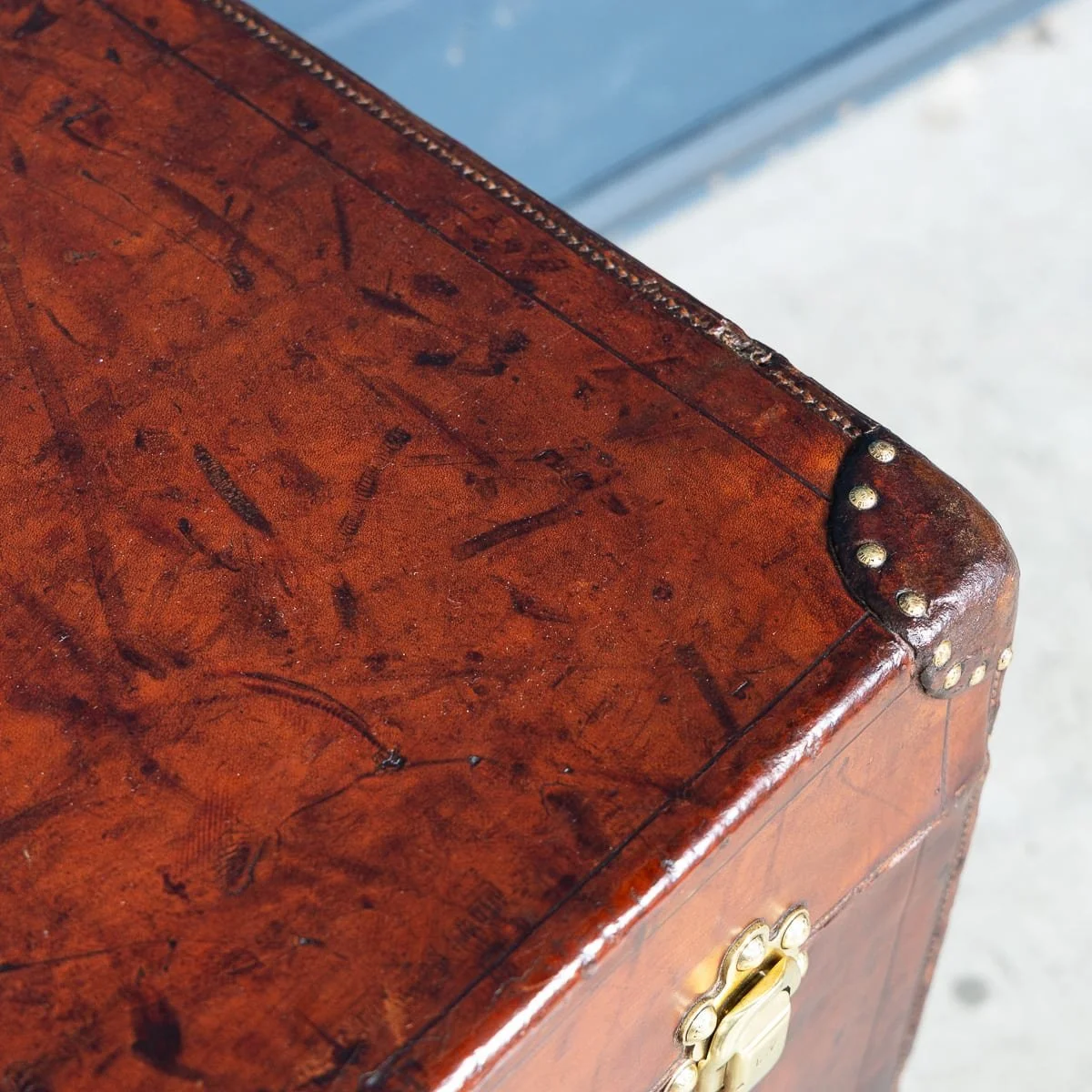
In Overall Good Antique Condition - Wear, scuffs and marks consistent with age and use. The exterior canvas shows rubbing and marks, with patina and wear to the leather trim and handles. The brass fittings display natural tarnishing. The interior shows staining, spotting, and age-related wear throughout, but remains structurally sound. Please refer to photographs.
SIZE
Height: 45 cm // 17.72 inches
Width: 81 cm // 31.89 inches
Depth: 47 cm // 18.50 inches