
From medicinal elixirs and flamboyant bartenders to Prohibition era speakeasies and glamorous Art Deco cocktail shakers, the cocktail has become one of America's most enduring cultural contributions. More than a drink, it reflects over two centuries of changing tastes, social traditions and artistic innovation. The cocktail's evolution mirrors the American experience itself, shaped by periods of rebellion, prosperity and reinvention. Discover how four defining eras transformed a simple mixture of spirits into a timeless symbol of sophistication.
From Medicinal Elixirs to the Art of Mixology
The earliest cocktails were closely associated with medicinal remedies. During the early 19th century, spirits and aromatic bitters were believed to relieve various ailments. One of the first recorded references to a cocktail appeared in The Farmer's Cabinet on April 28, 1803, describing the drink as "excellent for the head." By 1806, the cocktail was formally defined as a mixture of spirits, sugar, water and bitters, a formula still recognizable in today's Old Fashioned.
As cocktails grew in popularity, bartending evolved into a form of entertainment. Jerry Thomas, often called the father of American mixology, helped popularize the craft with his influential 1862 publication, How to Mix Drinks. Famous for his theatrical preparation of flaming cocktails, elaborate clothing and decorative brooches, Thomas transformed bartending into a spectacle.
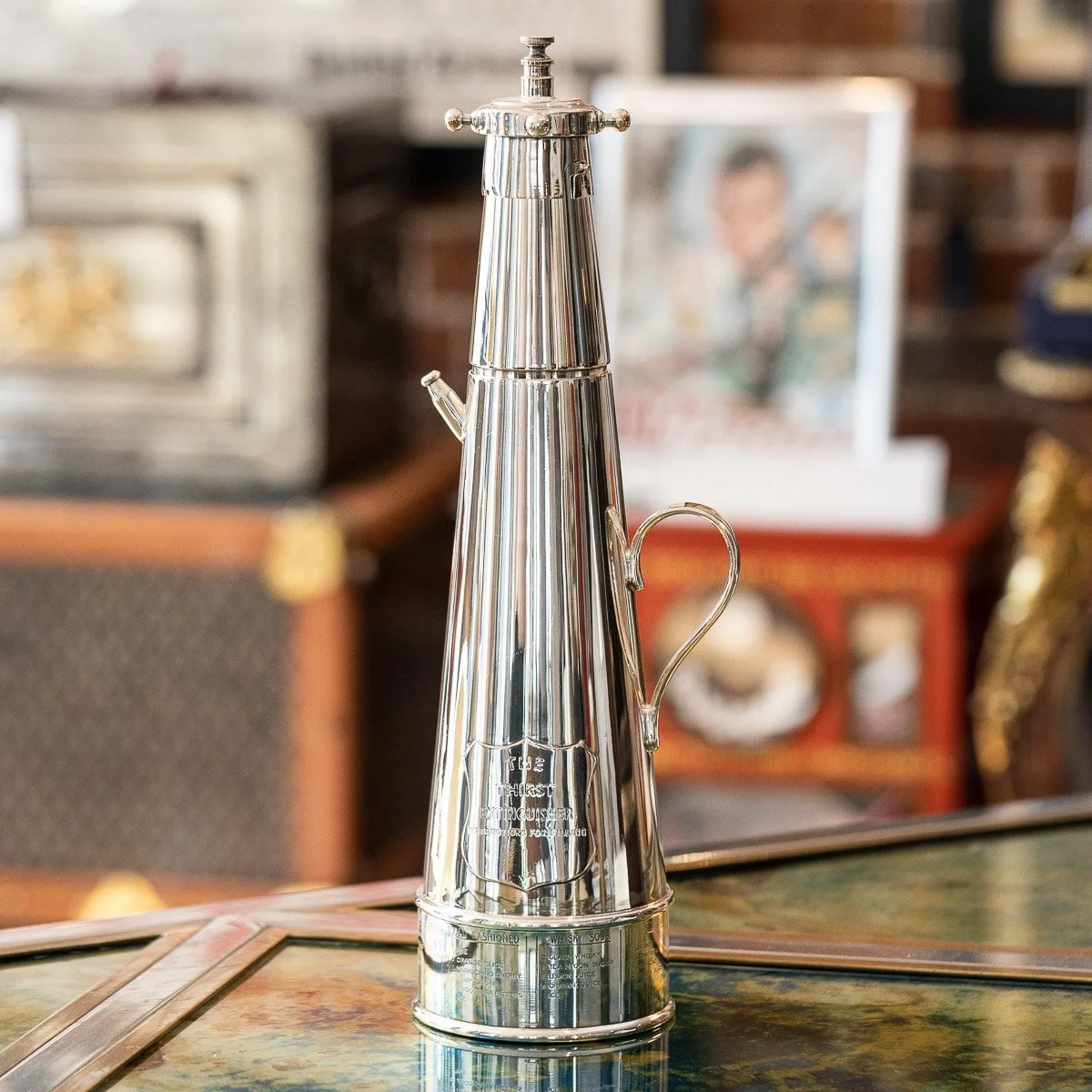
Cocktail equipment soon received similar attention. In 1884, Edward J. Hauck patented a three-piece shaker with an integrated strainer, establishing the basic design of the modern cobbler shaker. Originally a practical invention, the cocktail shaker would become one of the most distinctive decorative objects of the 20th century.
The Roaring Twenties: Cocktails, Prohibition and Rebellion
Following World War I, Americans embraced a new spirit of freedom and indulgence. Jazz music, daring fashions and lively nightlife defined the Roaring Twenties, with cocktails at the center of this cultural transformation. When Prohibition took effect in January 1920, banning the manufacture, sale and transportation of intoxicating liquor, drinking simply moved underground. Speakeasies flourished in major cities, with New York alone reportedly housing tens of thousands of illicit establishments. These clandestine venues became fashionable gathering places where traditional social conventions were challenged. Women increasingly joined men in public drinking spaces, while the iconic flapper embodied a new independence through bobbed hairstyles, shorter hemlines and glamorous jewellery. Prohibition also influenced cocktail recipes. The inconsistent quality of illicit spirits encouraged bartenders to experiment with citrus, syrups and other flavorful ingredients. Meanwhile, American bartenders working abroad introduced their expertise to fashionable establishments throughout Europe and the Caribbean. Even cocktail accessories reflected the period's exuberance. Elaborate shakers featuring geometric Art Deco designs and imaginative novelty shapes transformed ordinary barware into stylish conversation pieces, capturing the playful sophistication of the Jazz Age.

The Golden Age of Cocktails: Art Deco Luxury and Entertaining
The repeal of Prohibition in December 1933 brought cocktail culture back into public life, inspiring renewed interest in elegant drinking accessories. Prestigious luxury houses, including Cartier, Tiffany & Co. and Asprey, produced or retailed sophisticated cocktail shakers and barware crafted from silver, chrome and glass. With streamlined silhouettes and inventive designs, these objects combined functionality with the glamour of the Art Deco movement.
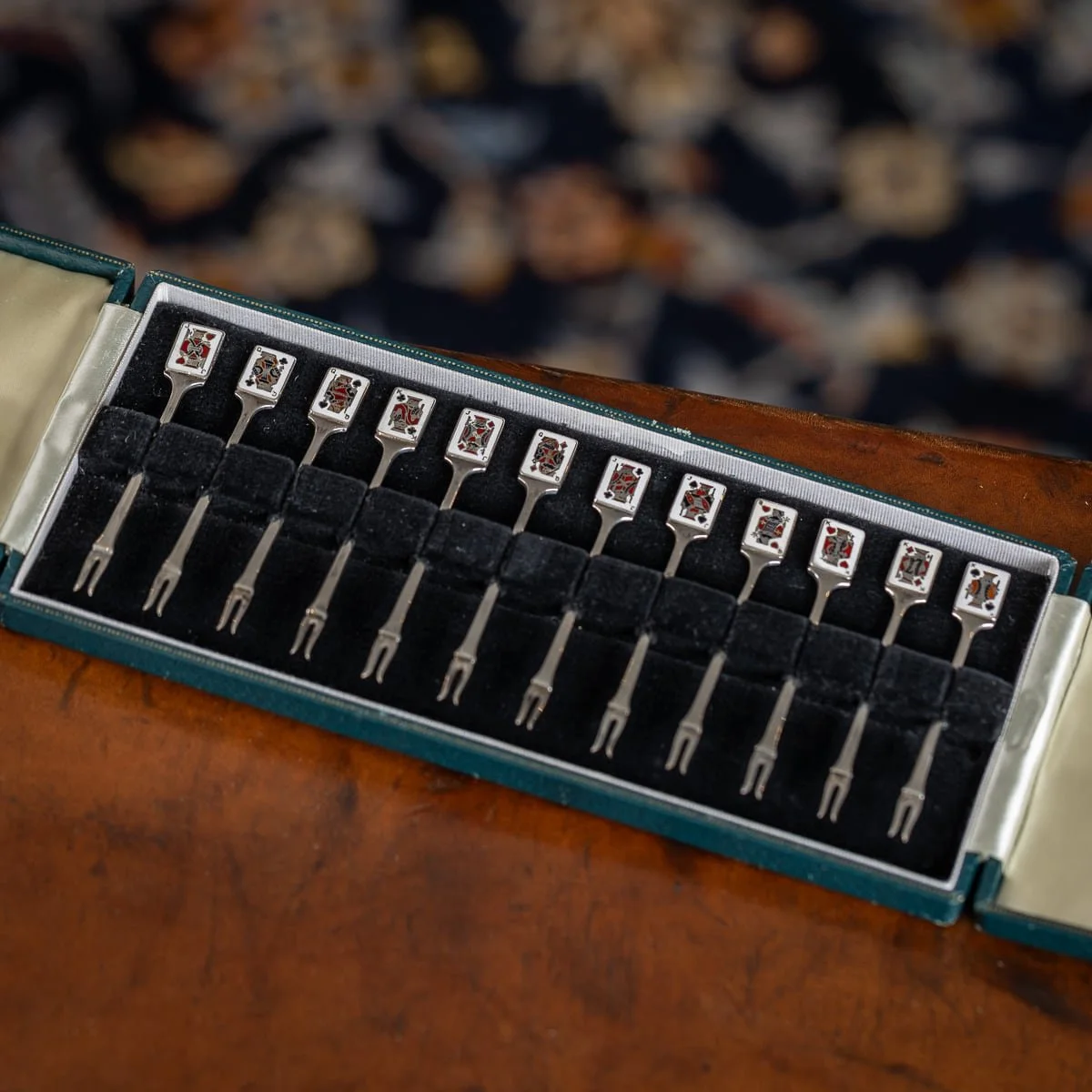
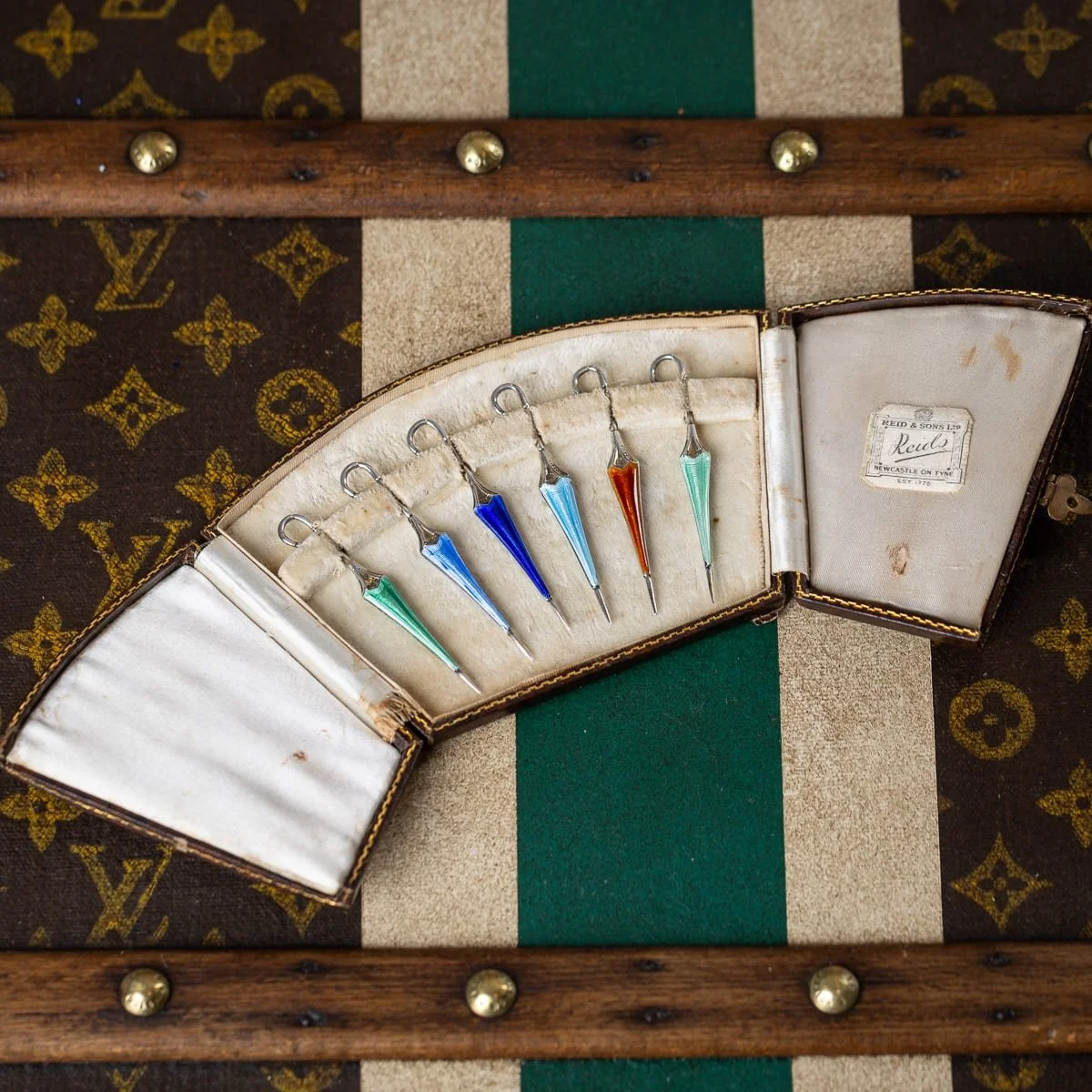
By the 1940s and 1950s, cocktail parties had become a fashionable American entertaining tradition. Rather than hosting elaborate formal dinners, hosts welcomed guests for drinks, conversation and hors d'oeuvres. A beautifully appointed home bar, complete with crystal decanters, silver shakers and elegant glassware, became a mark of refined taste. Fashion evolved alongside these gatherings. The cocktail dress offered a sophisticated alternative to formal evening gowns, establishing the enduring concept of "cocktail attire.” Today, antique and vintage cocktail shakers and accessories remain highly collectible, prized for their craftsmanship, distinctive designs and connections to an era of glamorous entertaining.
The Modern Cocktail Renaissance: New Orleans' Lasting Influence
Cocktail culture experienced a remarkable revival in the late 20th century as bartenders rediscovered historic recipes, traditional techniques and the artistry of handcrafted drinks.
Few cities embody this heritage more completely than New Orleans, widely celebrated as one of America's great cocktail capitals. Its distinctive drinking traditions produced legendary cocktails such as the Sazerac, associated with local apothecary Antoine Peychaud's bitters, and the Ramos Gin Fizz, created by bartender Henry C. Ramos in the late 19th century.
New Orleans continues to shape contemporary mixology through Tales of the Cocktail, an annual event founded in 2002 that has grown into a major international gathering of bartenders, historians and spirits enthusiasts. The celebration honors the city's cocktail legacy while encouraging new generations of innovation.
A Timeless American Tradition
From humble medicinal beginnings to lavish speakeasies and elegant cocktail parties, the cocktail has remained a reflection of American creativity, culture and style.
Its influence extends beyond the glass into fashion, decorative arts and the rituals of entertaining. Today, antique cocktail shakers and vintage barware preserve this fascinating history, offering a tangible connection to the glamour and craftsmanship of generations past.
More than two centuries after its earliest recorded appearances, the cocktail remains what it has always been: an invitation to celebrate, socialise and savour the art of living well.