

Murano Glass Lamps: Italian Craftsmanship with a Modern Glow
For more than 700 years, the island of Murano, just outside Venice, has been renowned for producing some of the world's finest handcrafted glass. Today, Murano glass remains a symbol of quality, artistry and timeless design, with its beautiful lamps bringing elegance to homes, hotels and commercial spaces around the world.
Every authentic Murano glass lamp is made by skilled artisans using techniques that have been passed down through generations. Because each piece is crafted by hand, no two lamps are exactly alike. These subtle variations make every lamp unique and add to its character and value.
While Murano is famous for its elaborate chandeliers, contemporary collections have introduced a fresh approach to Venetian lighting. Among them, the Birillo lamp stands out for its clean lines, sculptural form and exceptional craftsmanship.
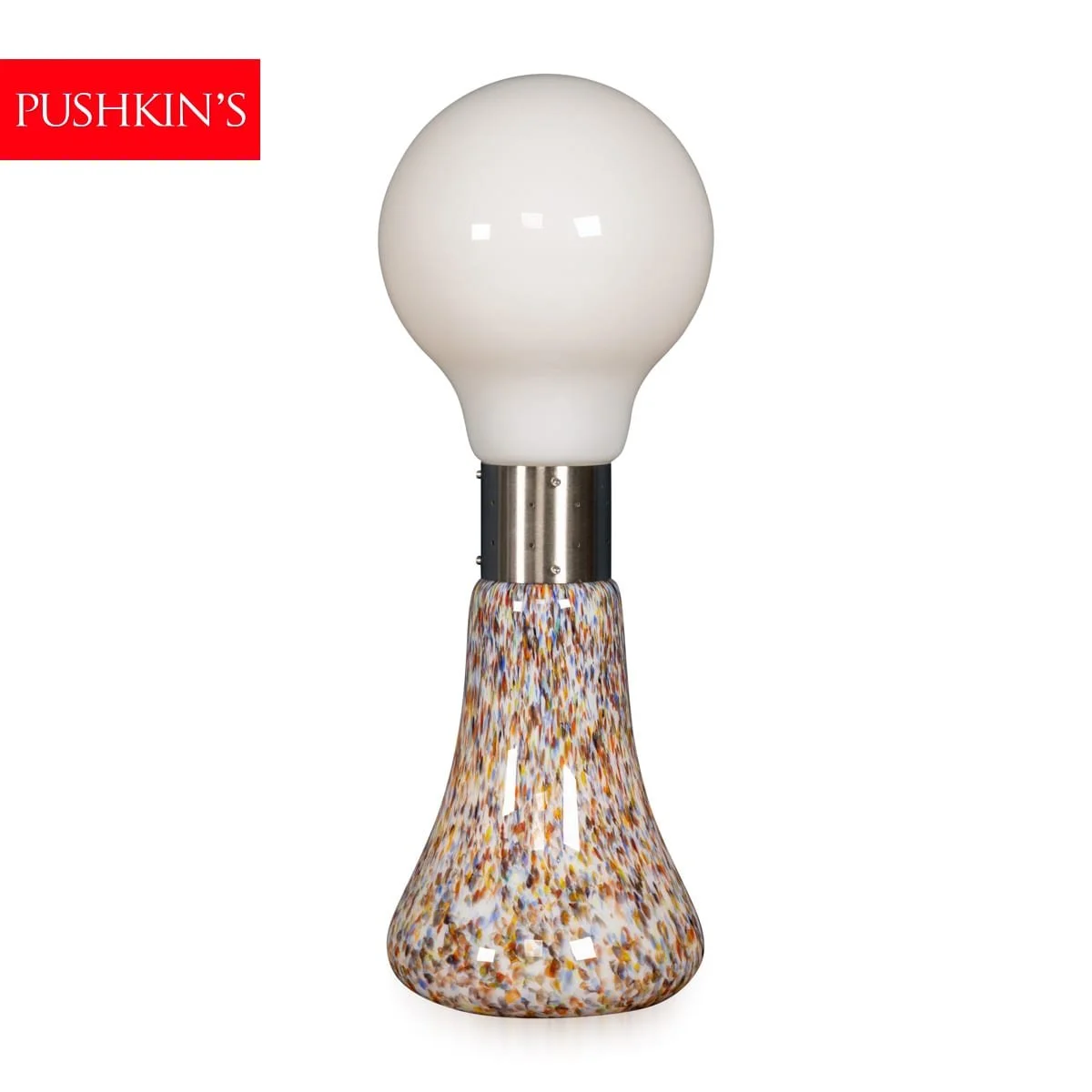

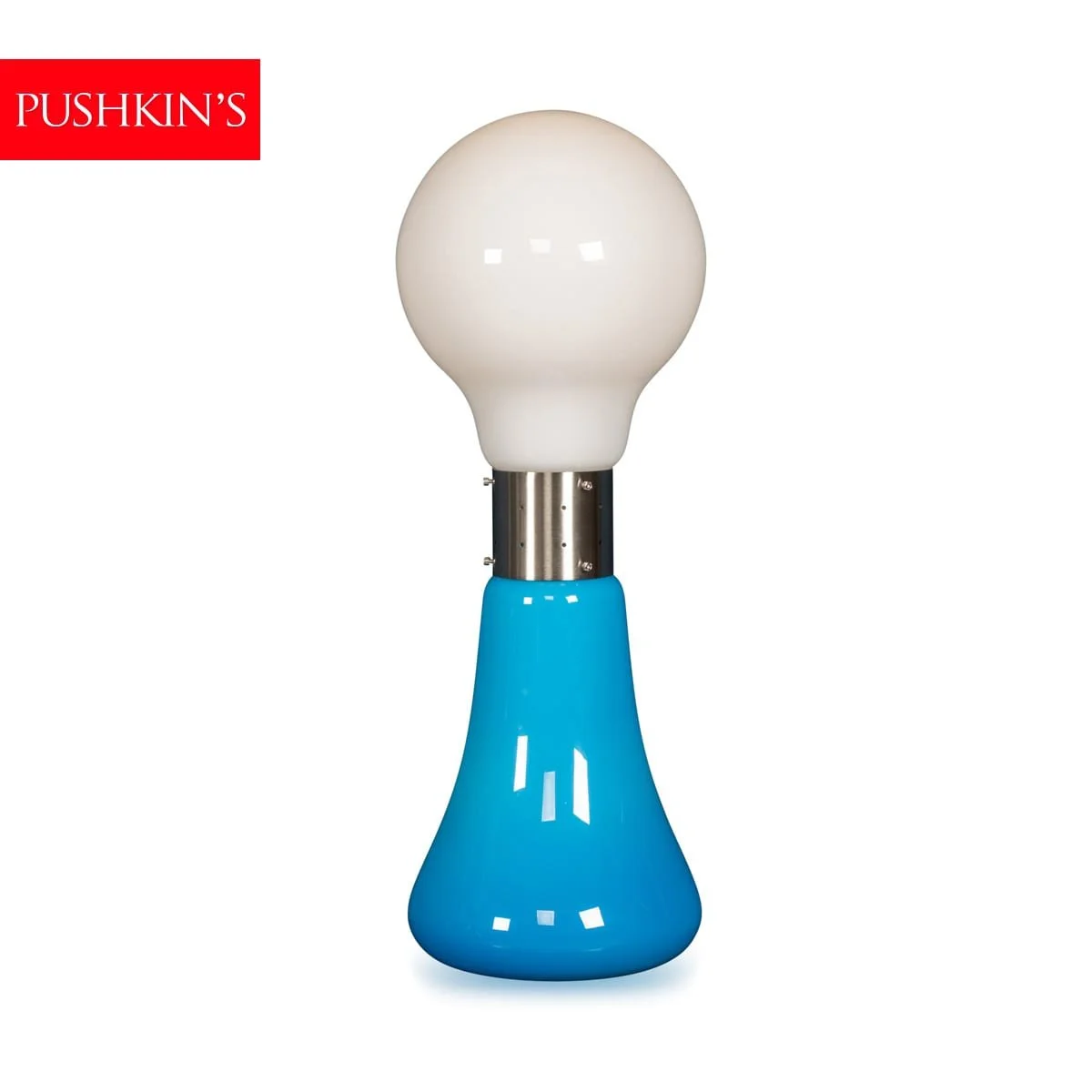

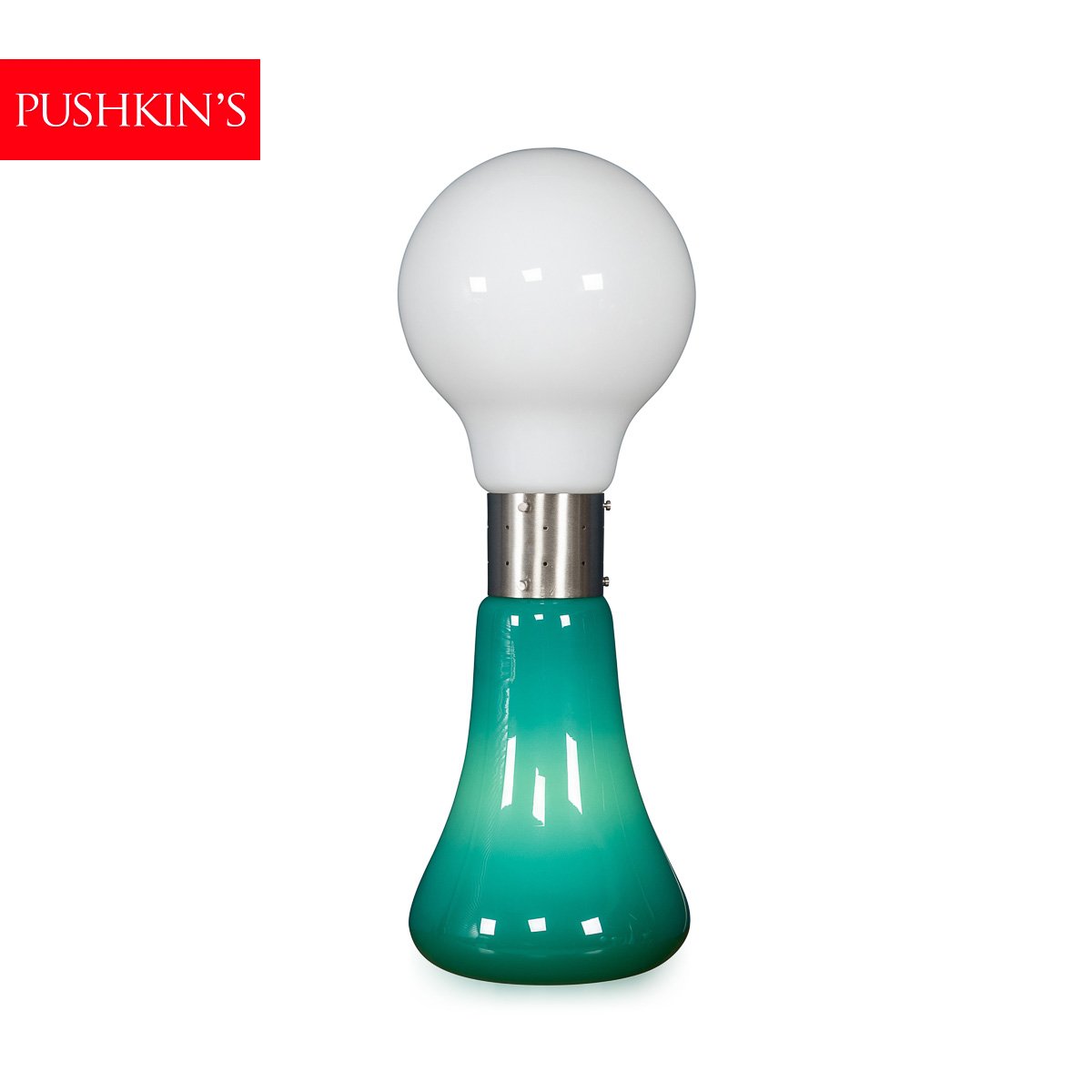

The name Birillo comes from the Italian word for a bowling pin. Its elegant silhouette echoes the simple, tapered shape of a traditional bowling pin, inspiring a design that is both playful and refined. This distinctive form has become one of the collection's defining features.
Rather than relying on intricate decoration, Birillo lamps allow the beauty of handcrafted glass to take centre stage. Their elegant design diffuses light beautifully, creating a warm and inviting atmosphere while complementing both modern and traditional interiors.
Each Birillo lamp is individually handcrafted in Murano, combining centuries of glassmaking expertise with contemporary design. Whether used as a striking centrepiece or as part of a coordinated lighting scheme, these lamps offer a perfect balance of style, function and authenticity.
In a world of mass-produced lighting, Murano glass lamps continue to represent true craftsmanship. The Birillo collection is a perfect example of how traditional skills can be reimagined for modern living, offering lighting that is as beautiful and captivating.