Animals at the Bar: The History of Animal Themed Drinking Accessories
From fox head stirrup cups to monkey claret jugs and silver mounted griffin decanters, animals have long provided silversmiths with some of their most imaginative subjects. For collectors of antique silver and luxury barware, these pieces offer far more than novelty. They combine craftsmanship, humour and social history, transforming familiar drinking accessories into sculptural objects designed to be admired as much as used.
The Victorian Passion for Novelty Silver
The late nineteenth century was a particularly inventive period for novelty silver. Victorian silversmiths delighted in turning practical objects into elaborate conversation pieces. Glass claret jugs were mounted with beautifully modelled silver heads, feet, wings and tails, allowing the entire vessel to take on the appearance of an animal. Foxes, ducks, monkeys, cockatoos, crocodiles and snakes all found their way onto the Victorian dining table. Some of the finest examples were technically demanding. A hinged head might conceal the opening of a jug, a beak could form the spout and a tail might become the handle. Every decorative detail had to work with the function of the piece. The result was neither simply sculpture nor tableware, but a combination of the two.
Celebrated makers such as Sampson Mordan & Co became particularly well known for highly imaginative animal form claret jugs during the 1880s. The designs ranged from familiar birds and sporting animals to wonderfully eccentric exotic creatures, helping to establish zoomorphic silver as one of the most distinctive forms of late Victorian decorative art.


Animals lend themselves naturally to decorative silver because each carries its own associations. A fox evokes British country life and sporting tradition. A stag suggests strength and grandeur. Swans bring elegance, while monkeys introduce an unmistakable sense of mischief. More exotic animals, such as crocodiles and snakes, offered Victorian makers the opportunity to create pieces intended to surprise and amuse. A conventional decanter can be beautifully made, but a decanter fashioned as an animal immediately becomes more individual. It invites attention, encourages conversation and often reveals something about the interests of its owner.
Among the most striking examples are antique animal form claret jugs and decanters. A finely modelled animal head might sit above a beautifully proportioned glass body, turning what would otherwise be a traditional wine vessel into something immediately memorable. 20th Century examples include graceful owl, walrus, monkey and bird form jugs, mounted decanters and wildlife inspired drinking sets, proving that the fascination with animals at the bar did not disappear with the Victorian era.
Stirrup Cups and Sporting Silver
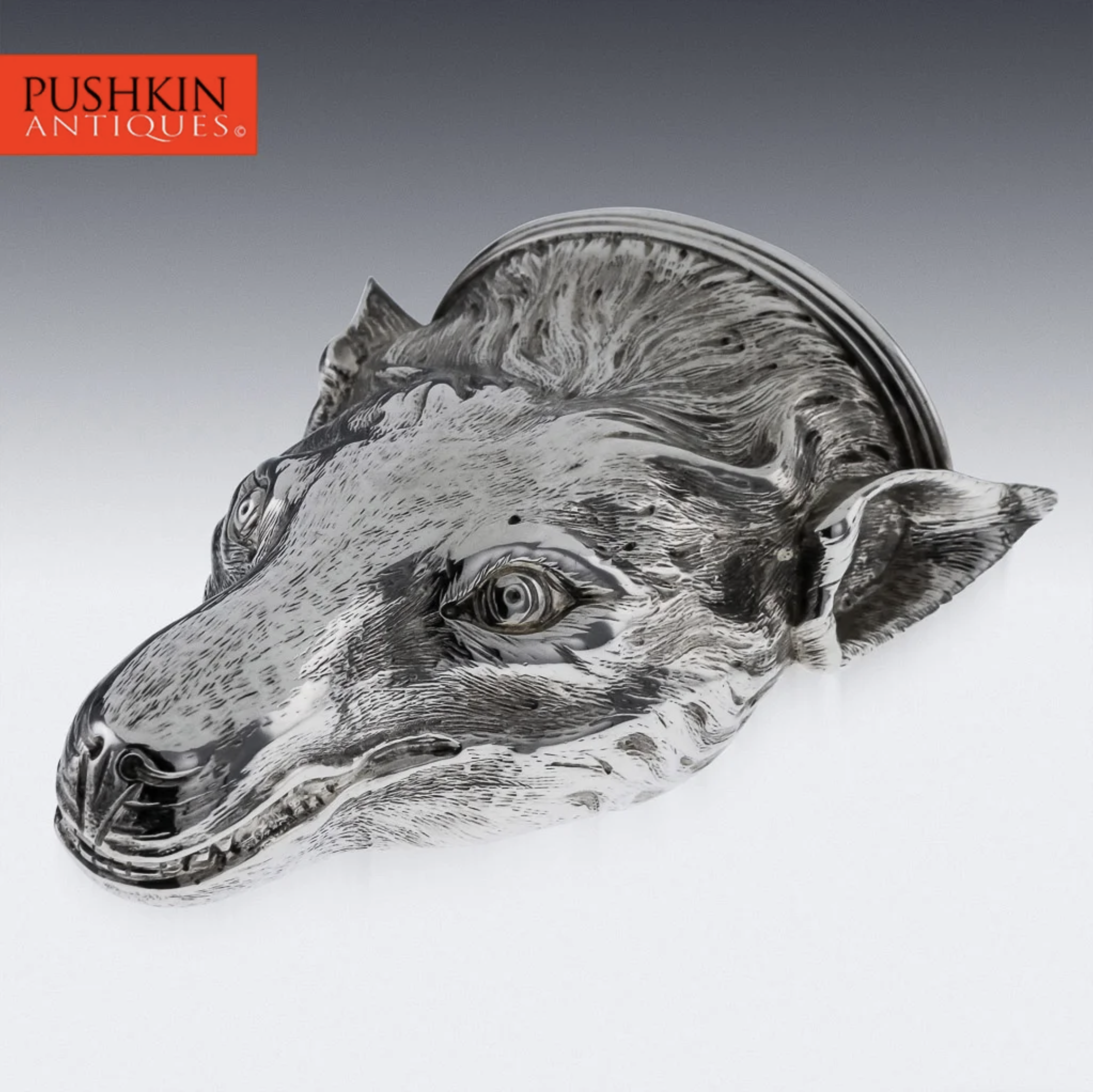
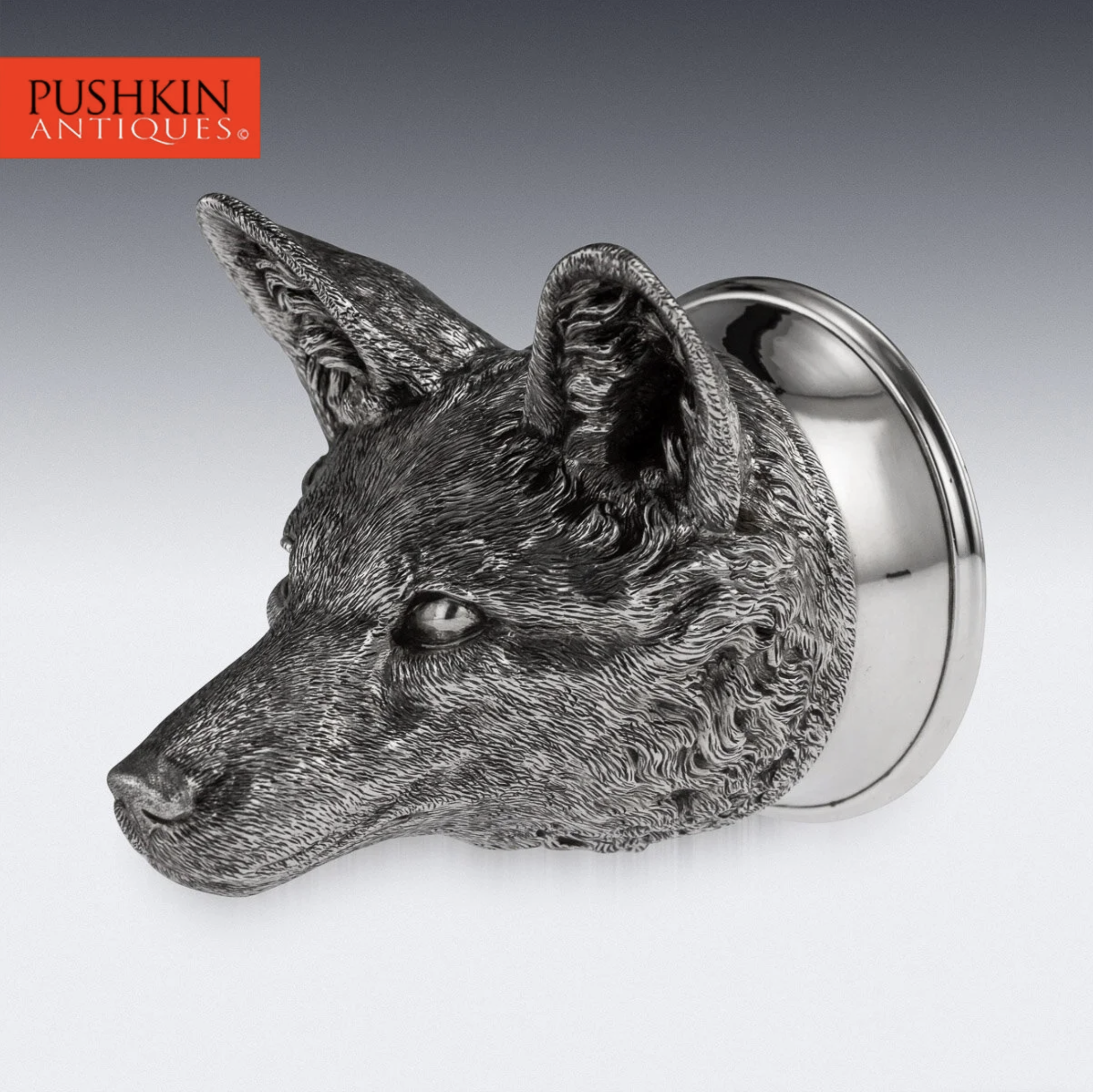
Few objects capture the relationship between drinking, silver and country pursuits quite like the silver stirrup cup. Traditionally associated with hunting and outdoor sporting life, stirrup cups were frequently fashioned as foxes, hounds, stags and other animals. When inverted, the sculptural head becomes the base of the drinking vessel. Today, they are sought not only as pieces of sporting silver but as objects that preserve the rituals and social customs of another age. Placed within a collection or displayed on a drinks cabinet, they have a presence that extends well beyond their original purpose.
For collectors seeking antique silver barware, novelty claret jugs, stirrup cups, decanters and distinctive drinking accessories, animal form pieces remain among the most engaging examples of the silversmith's art, and some of the most memorable objects to own.